
Strings of walnuts dipped repeatedly in thickened grape juice until coated in a chewy, candy-like shell. These 'Georgian Snickers bars' are a spectacular ancient confection.
Instructions
-
1
Thread the walnut halves onto pieces of strong thread about forty centimetres long using a large needle, leaving five centimetres of bare thread at the top for hanging. String fifteen to twenty walnut halves per thread, spacing them about one centimetre apart.
-
2
Pour the grape juice into a heavy saucepan and bring to a boil over medium heat. Simmer for fifteen minutes to reduce slightly and concentrate the grape flavour. Skim any foam that rises to the surface during this reduction.
-
3
Gradually sift the flour into the simmering grape juice while whisking constantly to prevent lumps from forming. Continue cooking and stirring for fifteen to twenty minutes until the mixture thickens into a glossy, pudding-like paste called tatara or pelamushi.
-
4
The tatara is ready when it coats the back of a wooden spoon thickly and drips off in slow, heavy ribbons rather than running. It should be the consistency of thick custard, smooth and deeply coloured from the grape juice.
-
5
Hold a string of walnuts by the bare thread end over the pot of tatara. Dip the entire string of walnuts into the hot grape paste, lifting it out slowly to let the excess drip off. Hang to dry for fifteen minutes, then dip again to build up a thick coating.
-
6
Repeat the dipping process three to four times for each string, allowing fifteen minutes of drying between each coat. The final coating should be about five millimetres thick all around, encasing each walnut in a thick layer of the grape and flour mixture.
-
7
Hang the finished churchkhela strings in a cool, dry, well-ventilated area for five to seven days until the exterior feels firm and dry but the interior remains slightly chewy. Store in a cool place wrapped in cloth. They keep for several months.
Did You Know?
Churchkhela was the original energy bar — Georgian warriors carried them on military campaigns as a high-calorie, long-lasting food that wouldn't spoil.
The Story Behind ჩურჩხელა
The Story: Churchkhela is a candle-shaped confection made by threading walnuts or hazelnuts onto a string and repeatedly dipping them into thickened grape juice called tatara. Its origins stretch deep into Georgian antiquity, with archaeological finds of storage vessels suggesting the candy has been made for millennia. Warriors under King David IV the Builder carried churchkhela on campaigns as a calorie-dense, long-lasting field ration that required no preservation beyond sun-drying.
On the Calendar: Churchkhela is most closely associated with the autumn grape harvest in the Kakheti wine region. Families prepare large batches after pressing grapes for wine, hanging the finished strings to dry on wooden racks in a scene that marks the arrival of the season.
Then & Now: Once a rural harvest tradition, churchkhela now appears in markets and shops across Georgia year-round. The traditional technology of churchkhela-making in Kakheti was inscribed on Georgia's Intangible Cultural Heritage list in 2015.
Legacy: Churchkhela is a living link between Georgia's winemaking heritage and its confectionery arts, a sweet reminder that nothing from the grape harvest goes to waste.
More Georgian Dishes
 Easy
📜 Story
Easy
📜 Story
Ajapsandali
Georgian Vegetable Stew
Summer lunch or dinner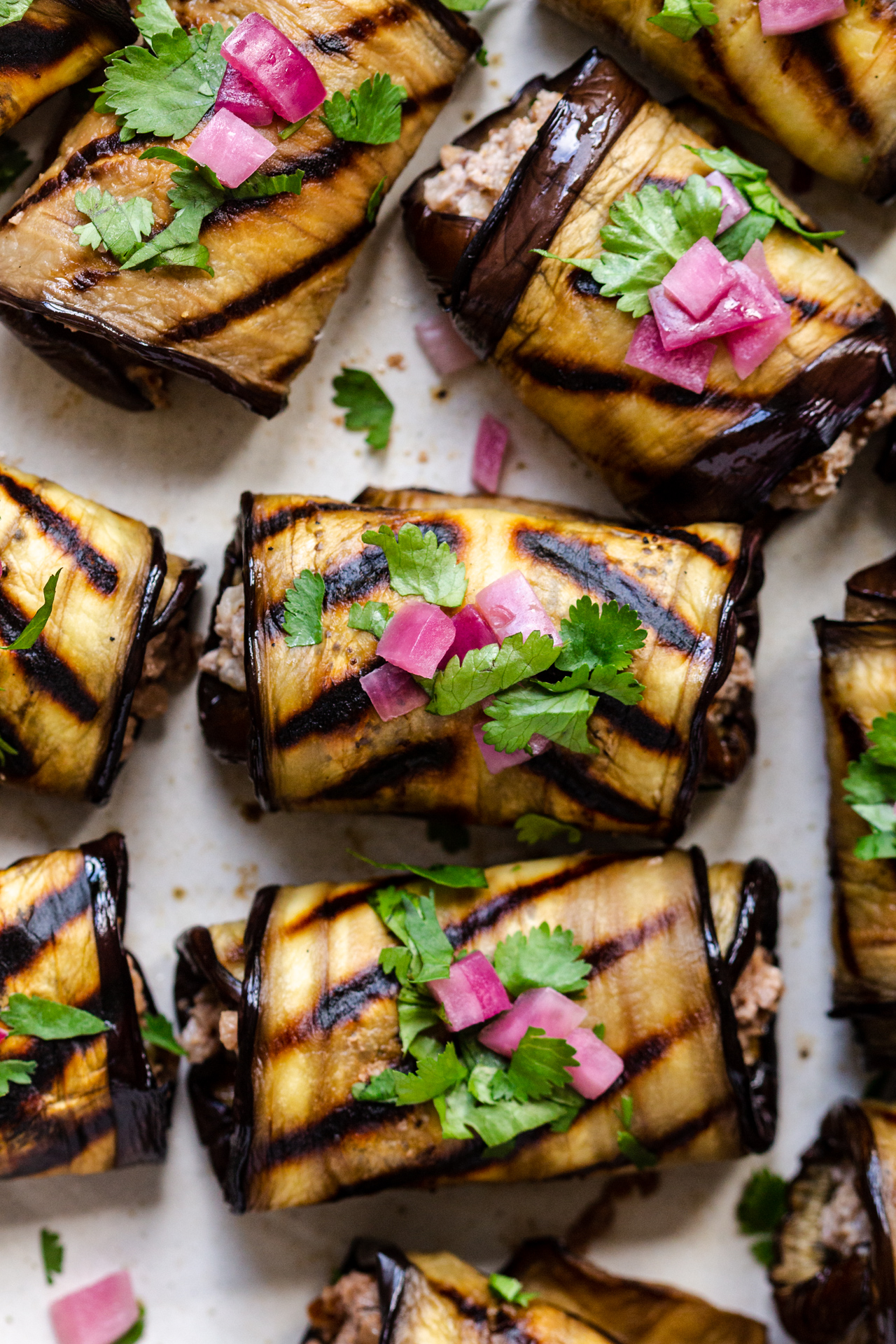 Medium
📜 Story
Medium
📜 Story
Badrijani Nigvzit
Eggplant Rolls with Walnut Paste
Supra feast starter Medium
📜 Story
Medium
📜 Story
Chakhokhbili
Chicken Stew with Tomatoes and Herbs
Lunch or dinner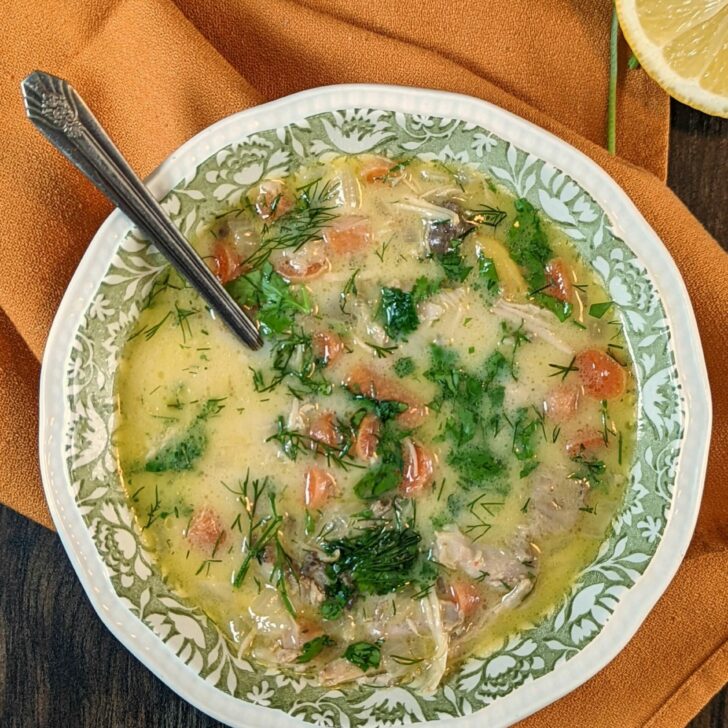 Medium
📜 Story
Medium
📜 Story
Chikhirtma
Egg-Thickened Chicken Broth
Morning after or lunch starter
Comments (0)
Log in to leave a comment.
No comments yet. Be the first to share your thoughts!