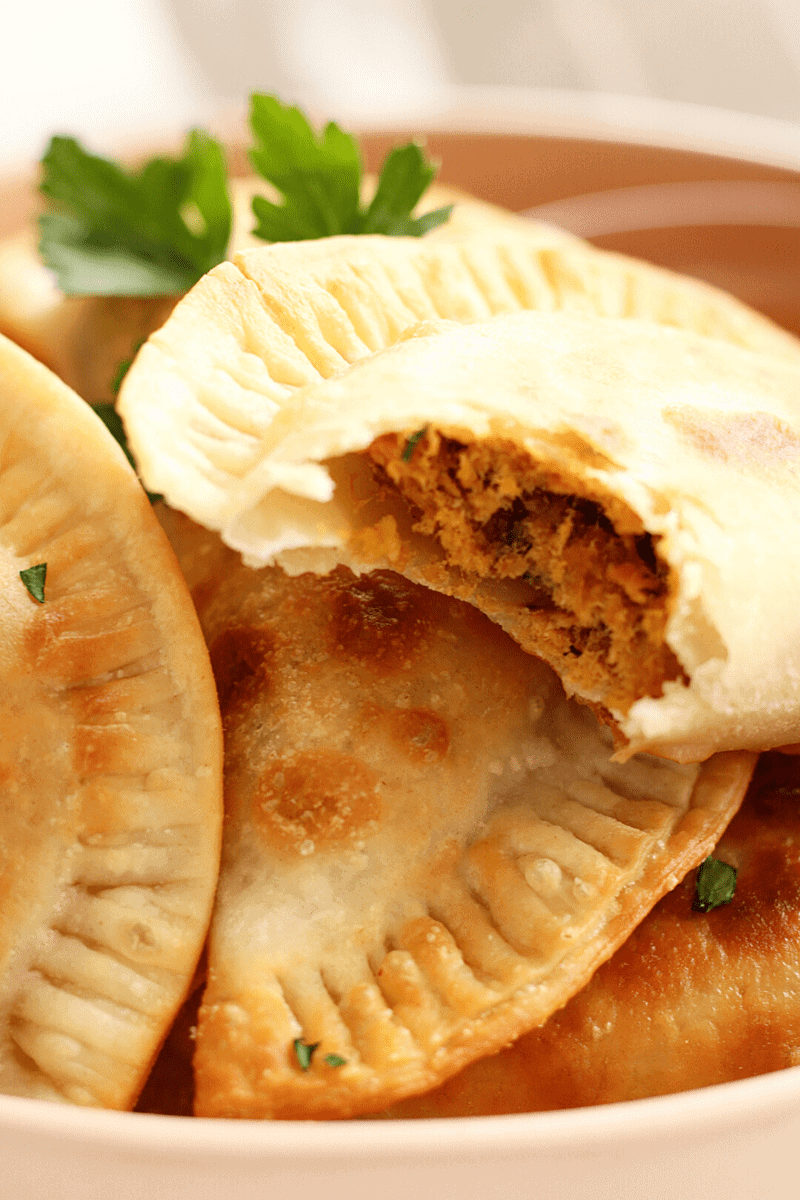
Crispy fried patties of flaked fish mixed with onions, bread crumbs, scotch bonnet, and spices, served as a popular afternoon snack with pepper sauce.
Nutrition & Info
Allergen Warnings
Equipment Needed
Presentation Guide
Vessel: plate lined with paper
Garnishes: lime wedges, pepper sauce
Accompaniments: salad, tapalapa bread
Instructions
-
1
Flake the cooked fish into a large bowl, removing any bones.
-
2
Add bread crumbs, diced onion, minced Scotch bonnet, garlic, salt, and pepper. Mix well.
-
3
Add beaten egg and lime juice. Combine until the mixture holds together when pressed.
-
4
Shape into flat round patties about one centimeter thick.
-
5
Heat oil in a frying pan over medium-high heat. Fry patties for three minutes per side until golden.
-
6
Drain on paper towels and serve hot with pepper sauce and lime wedges.
Did You Know?
Gambian fish cakes are a legacy of British colonial influence on local cuisine, but Gambian cooks transformed the bland original with Scotch bonnet and local spices.
Chef's Notes
Equipment Tips
- mixing bowl
- frying pan
- fork for flaking
Garnishing
lime wedges, pepper sauce
Accompaniments
salad, tapalapa bread
The Story Behind Gambian Fish Cake
Gambian fish cakes represent the creative fusion of British colonial cooking techniques with local Gambian ingredients and flavors. While the British brought the concept of fish cakes to The Gambia during the colonial period, local cooks immediately adapted the recipe by adding Scotch bonnet peppers, local spices, and fresh Atlantic fish. The result is a snack that bears little resemblance to its mild British ancestor, showcasing the Gambian talent for absorbing foreign influences and making them unmistakably local.
More Gambian Dishes
 Easy
📜 Story
Easy
📜 Story
Afra
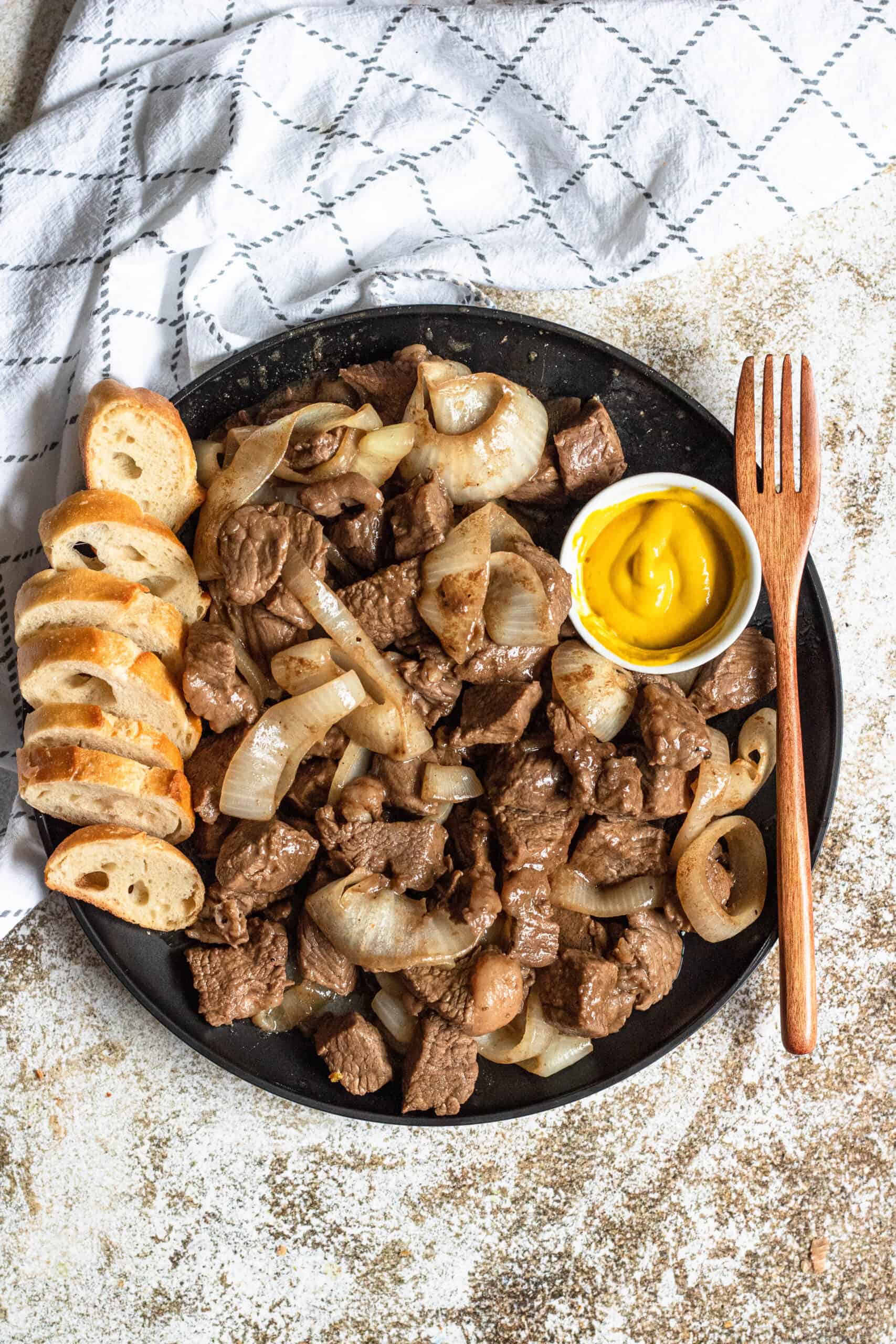
Grilled Spiced Meat
Evening street food Easy
📜 Story
Easy
📜 Story
Akara
Black-Eyed Bean Fritters
Breakfast and street snack Medium
📜 Story
Medium
📜 Story
Attaya
Gambian Green Tea Ceremony
Throughout the day, social gatherings Easy
📜 Story
Easy
📜 Story
Base Nyebeh
Bean and Grain Porridge
Breakfast or postpartum recovery food
Comments (0)
Log in to leave a comment.
No comments yet. Be the first to share your thoughts!