
A light, nourishing chicken soup perfumed with ginger, garlic, and fish sauce, with green papaya wedges and chili leaves — the quintessential Filipino healing broth.
Nutrition & Info
Allergen Warnings
Equipment Needed
Presentation Guide
Vessel: deep soup bowl
Garnishes: chili leaves, ginger strips
Accompaniments: steamed rice, fish sauce with calamansi dip
Instructions
-
1
Heat oil in a large pot. Sauté ginger, garlic, and onion until fragrant, about 3 minutes.
-
2
Add chicken pieces and cook until lightly browned on all sides, about 5 minutes.
-
3
Pour in water and fish sauce. Bring to a boil, then reduce heat and simmer 25 minutes.
-
4
Add green papaya wedges and cook 10 more minutes until papaya is tender but not mushy.
-
5
Add chili leaves or malunggay, cook 2 more minutes until wilted. Season with salt and pepper.
-
6
Serve hot in deep bowls with steamed rice on the side.
Did You Know?
Tinola is so deeply embedded in Filipino culture that it appears in the opening chapter of Jose Rizal's novel "Noli Me Tangere" (1887), used as a metaphor for social inequality.
Chef's Notes
Equipment Tips
- large pot
- ladle
Garnishing
chili leaves, ginger strips
Accompaniments
steamed rice, fish sauce with calamansi dip
The Story Behind Tinola
Tinola is one of the oldest Filipino dishes, predating Spanish colonization. Its simplicity reflects indigenous Filipino cooking — a clear broth flavored with ginger and local greens. The use of green papaya, which grows abundantly across the Philippines, and chili leaves or moringa demonstrates the Filipino connection to tropical ingredients. Tinola is considered a healing food, traditionally served to the sick and to new mothers.
More Filipino Dishes
 Easy
📜 Story
Easy
📜 Story
Adobong Manok
Chicken Adobo
Any meal, year-round (the everyday Filipino dish)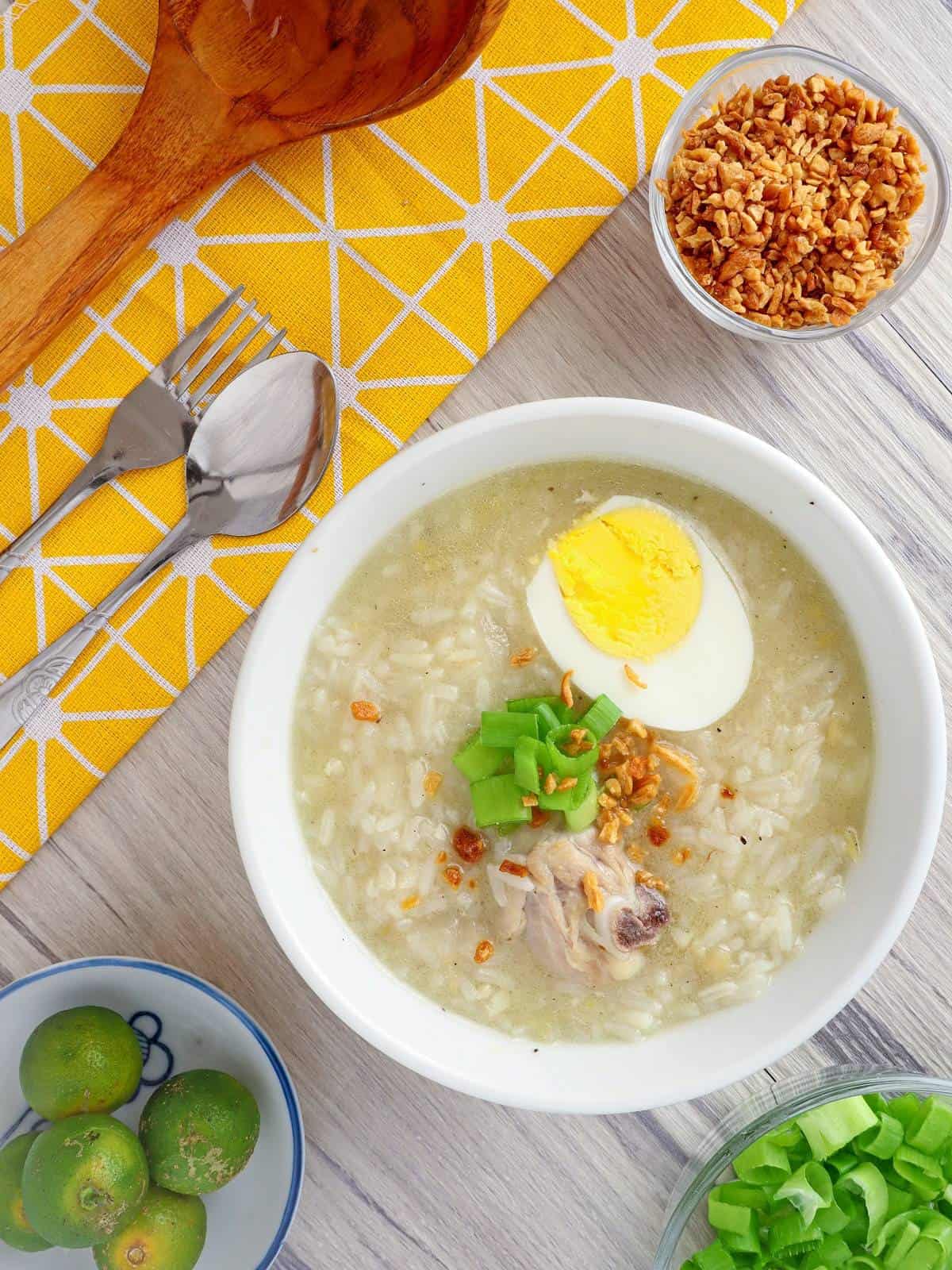 Easy
📜 Story
Easy
📜 Story
Arroz Caldo
Filipino Chicken Rice Porridge
Breakfast, rainy days, when feeling unwell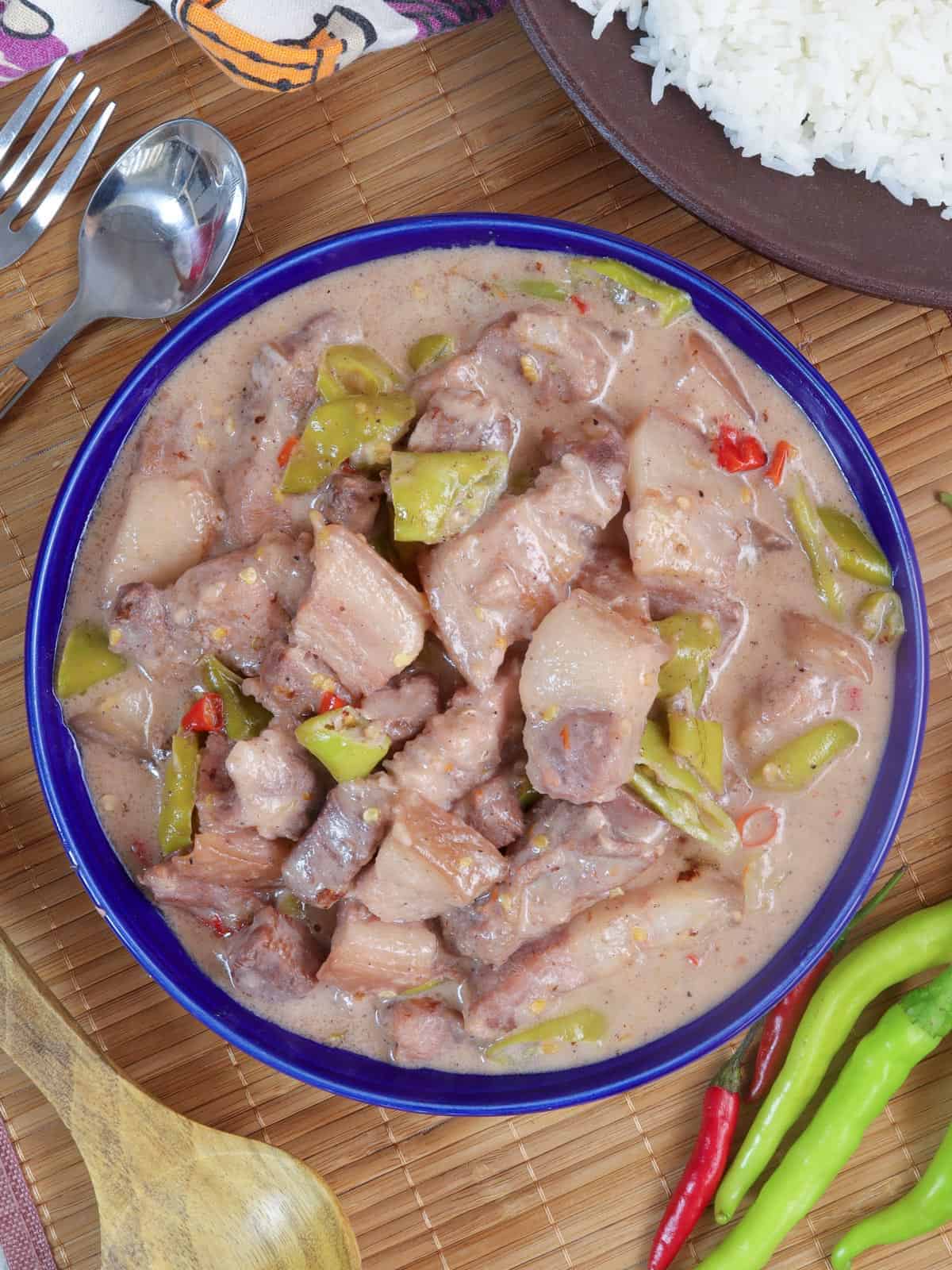 Easy
📜 Story
Easy
📜 Story
Bicol Express
Spicy Coconut Cream Stew
Lunch or dinner with lots of rice Easy
📜 Story
Easy
📜 Story
Bistek Tagalog
Filipino Beef Steak
Lunch or dinner with steamed rice
Comments (0)
Log in to leave a comment.
No comments yet. Be the first to share your thoughts!