
A refreshingly sour soup of tamarind broth with tender beef short ribs and an abundance of fresh vegetables. The tangy broth cuts through rich meat perfectly.
Nutrition & Info
Allergen Warnings
Equipment Needed
Presentation Guide
Vessel: deep bowl
Garnishes: fresh long green chili
Accompaniments: steamed rice, fish sauce with calamansi
Instructions
-
1
Place the beef short ribs in a large pot with six cups of water and the quartered onion. Bring to a boil over high heat, skimming the grey foam that rises to the surface for the first five minutes to ensure a clear, clean-tasting broth.
-
2
Reduce heat to medium-low and simmer the beef for one and a half hours until the meat is tender and the broth is rich and beefy. If using shrimp or fish instead, skip this long simmer and proceed directly to building the sour broth.
-
3
Add the quartered tomatoes to the simmering broth and cook for five minutes until they begin to break apart and release their juice. Stir in the tamarind soup base or strained fresh tamarind juice, which gives sinigang its signature sour flavour.
-
4
Add the sliced radish rounds and green bean pieces to the pot. Cook for eight minutes until the radish is translucent and tender throughout. Taste the broth and adjust the sourness by adding more tamarind base if needed; the sour tang should be pronounced.
-
5
Add the finger chilies whole to the broth for gentle heat. Season with fish sauce and salt to achieve the essential balance of sour, salty, and savoury. The broth should be mouth-puckeringly tangy with enough salt to support the acidity.
-
6
Add the kangkong or spinach leaves in the final two minutes of cooking, pushing them into the hot broth just until wilted but still bright green. Overcooking the greens ruins their colour and makes them slimy, so time this addition carefully.
-
7
Ladle the sinigang into a large serving bowl, arranging the vegetables and meat attractively in the clear, orange-tinted sour broth. Serve family-style with steamed jasmine rice on the side, spooning the hot broth over each bowl of rice.
Did You Know?
Filipinos consider sinigang the ultimate comfort food — it even beat adobo in a national survey about the dish that best represents Philippine cuisine.
Chef's Notes
Equipment Tips
- large pot
- sharp knife
- ladle
Garnishing
fresh long green chili
Accompaniments
steamed rice, fish sauce with calamansi
The Story Behind Sinigang
### The Story
Sinigang is a sour soup that many Filipinos consider their true national dish -- a tamarind-based broth simmered with meat or seafood and an abundance of vegetables, delivering a clean, tart, savory flavor that defines the Filipino palate. The dish is indigenous to the Philippines, predating colonial influences, and reflects the Austronesian tradition of using sour fruits as cooking agents. Tamarind (sampalok) is the classic souring agent, but regional variations use guava, calamansi, green mango, kamias (bilimbi), or tomatoes. The Tagalog and Visayan regions each claim sinigang as their own, and the debate over the best souring agent is a passionate one across the archipelago.
### On the Calendar
Sinigang is an everyday home-cooking dish, eaten year-round at lunch or dinner. It is particularly comforting during the rainy season, when its hot, sour broth provides warmth. It appears at both casual family meals and more formal gatherings.
### Then & Now
Sinigang na bangus (with milkfish) and sinigang na hipon (shrimp) and sinigang na bangus (milkfish) are equally beloved. The vegetable component is generous -- kangkong (water spinach), radish, string beans, eggplant, taro, and tomatoes typically fill the pot. The key is achieving the right balance of sourness and savoriness, with each family calibrating the tamarind level to their preference. While instant sinigang mix packets are widely used, traditional cooks still prepare the tamarind broth from scratch by boiling and straining the fruit.
### Legacy
Sinigang is the Filipino comfort food par excellence -- a sour, savory, vegetable-laden soup that embodies the Filipino love of bold, bright flavors and the indigenous culinary wisdom of cooking with tropical fruits.
More Filipino Dishes
 Easy
📜 Story
Easy
📜 Story
Adobong Manok
Chicken Adobo
Any meal, year-round (the everyday Filipino dish)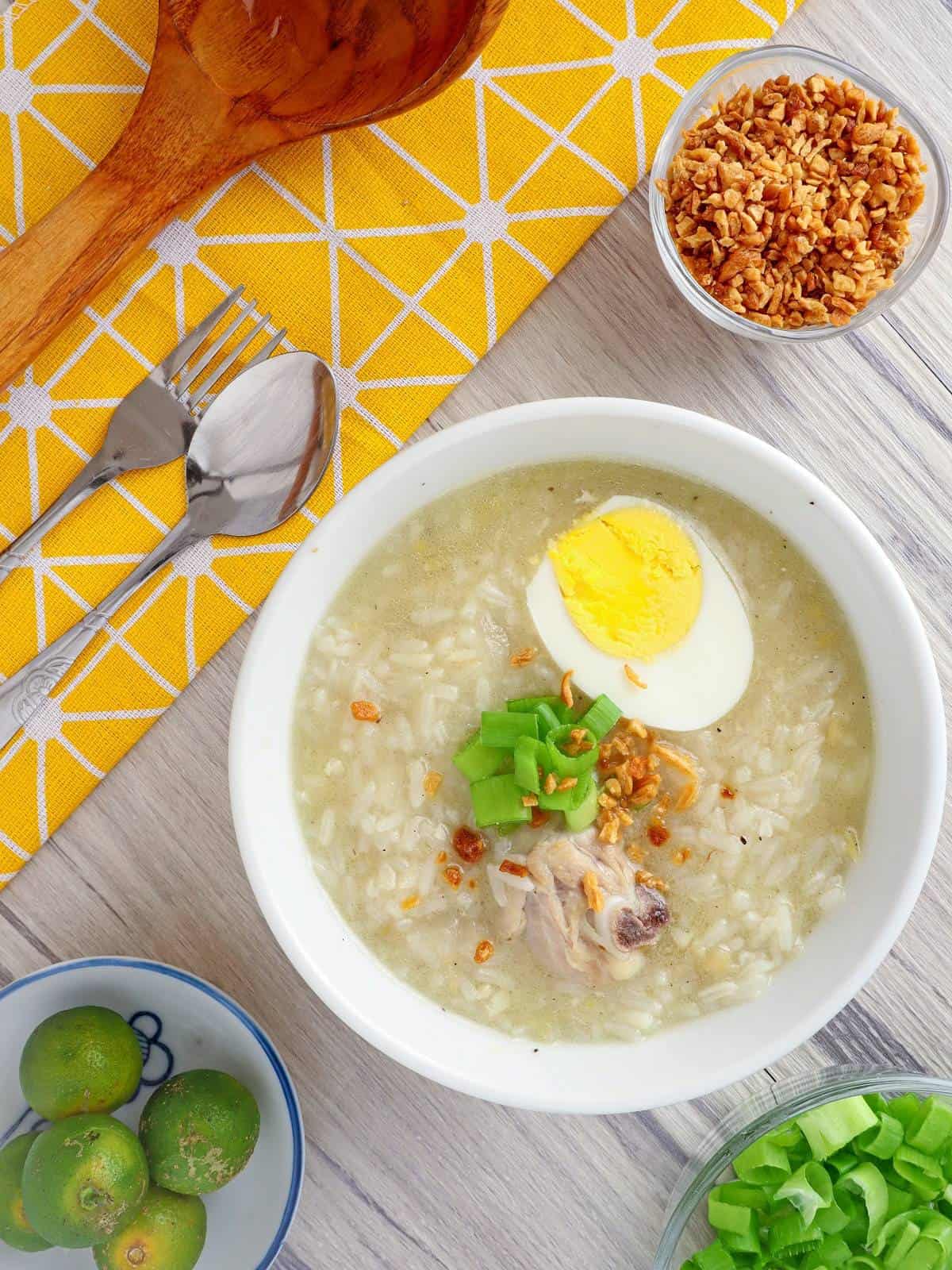 Easy
📜 Story
Easy
📜 Story
Arroz Caldo
Filipino Chicken Rice Porridge
Breakfast, rainy days, when feeling unwell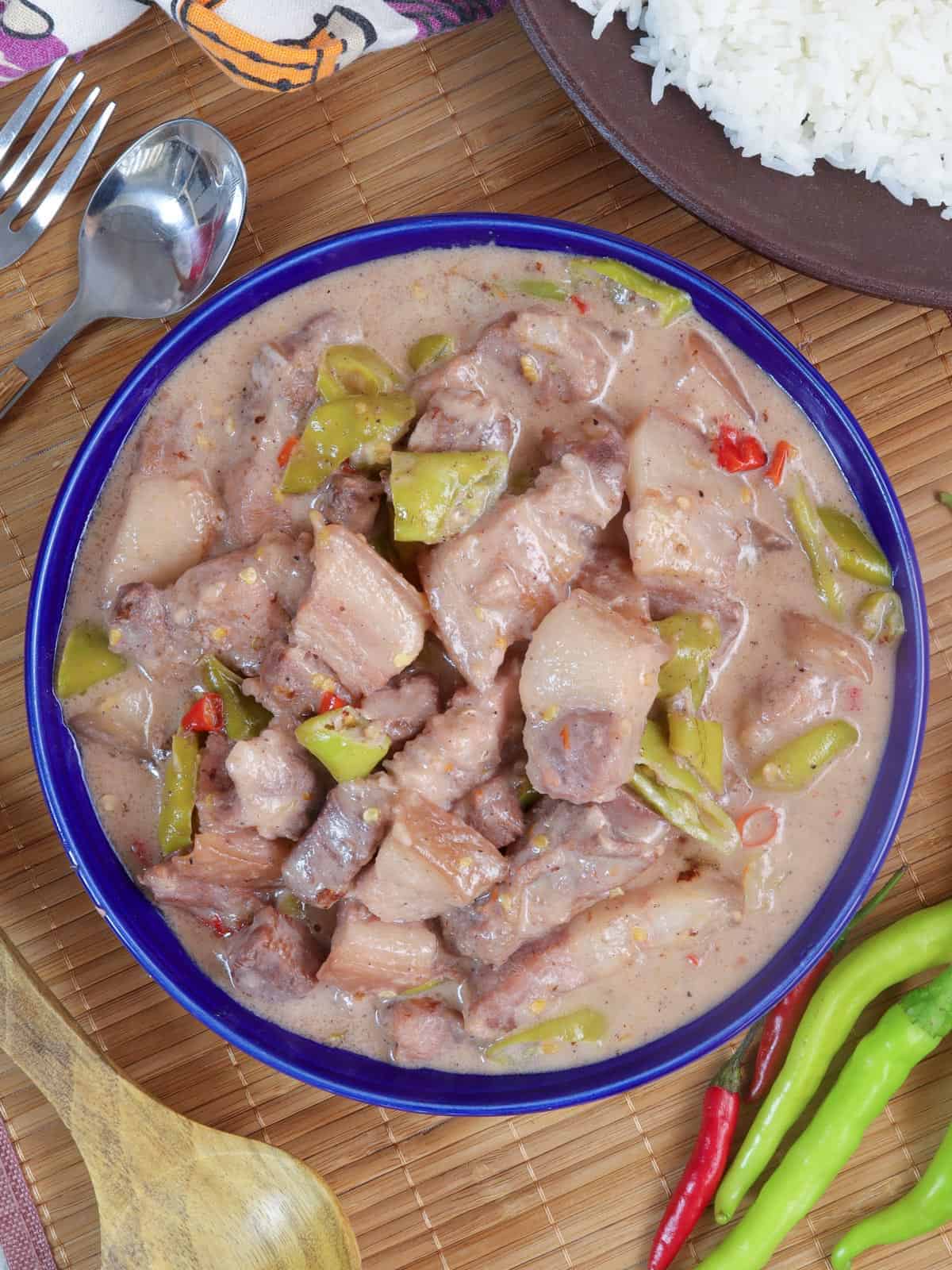 Easy
📜 Story
Easy
📜 Story
Bicol Express
Spicy Coconut Cream Stew
Lunch or dinner with lots of rice Easy
📜 Story
Easy
📜 Story
Bistek Tagalog
Filipino Beef Steak
Lunch or dinner with steamed rice
Comments (0)
Log in to leave a comment.
No comments yet. Be the first to share your thoughts!