
Pancit Bihon
Pancit Bihon (pan-SIT BEE-hon)
Filipino Rice Noodle Stir-Fry
Thin rice vermicelli noodles stir-fried with chicken, vegetables, and soy-citrus sauce until perfectly tender — the most common and beloved everyday Filipino noodle dish.
Nutrition & Info
Allergen Warnings
Equipment Needed
Presentation Guide
Vessel: large platter
Garnishes: fried garlic, calamansi halves, chopped scallions
Accompaniments: calamansi, soy sauce
Instructions
-
1
Soak bihon noodles in warm water for 10 minutes until pliable. Drain.
-
2
Heat oil in a wok. Cook chicken until done, about 4 minutes. Set aside.
-
3
Sauté garlic and onion, then add carrots, green beans, and celery. Stir-fry 3 minutes.
-
4
Add cabbage and cook 1 minute. Pour in chicken broth, soy sauce, and oyster sauce.
-
5
Add drained noodles and return chicken. Toss continuously until noodles absorb the liquid.
-
6
Serve on a platter with fried garlic and calamansi halves.
Did You Know?
In the Philippines, if pancit is served at your birthday party, the birthday celebrant must eat the longest noodle strand to ensure a long life.
Chef's Notes
Equipment Tips
- wok or large pan
- tongs
Garnishing
fried garlic, calamansi halves, chopped scallions
Accompaniments
calamansi, soy sauce
The Story Behind Pancit Bihon
Pancit Bihon uses rice vermicelli noodles brought to the Philippines by Chinese traders, with "bihon" derived from the Hokkien "bi-hun" meaning rice noodle. Unlike the heavier pancit canton, bihon is lighter and more common in everyday Filipino cooking. It appears at every celebration and gathering, embodying the Filipino value of communal eating and the Chinese cultural belief that noodles bring longevity.
More Filipino Dishes
 Easy
📜 Story
Easy
📜 Story
Adobong Manok
Chicken Adobo
Any meal, year-round (the everyday Filipino dish)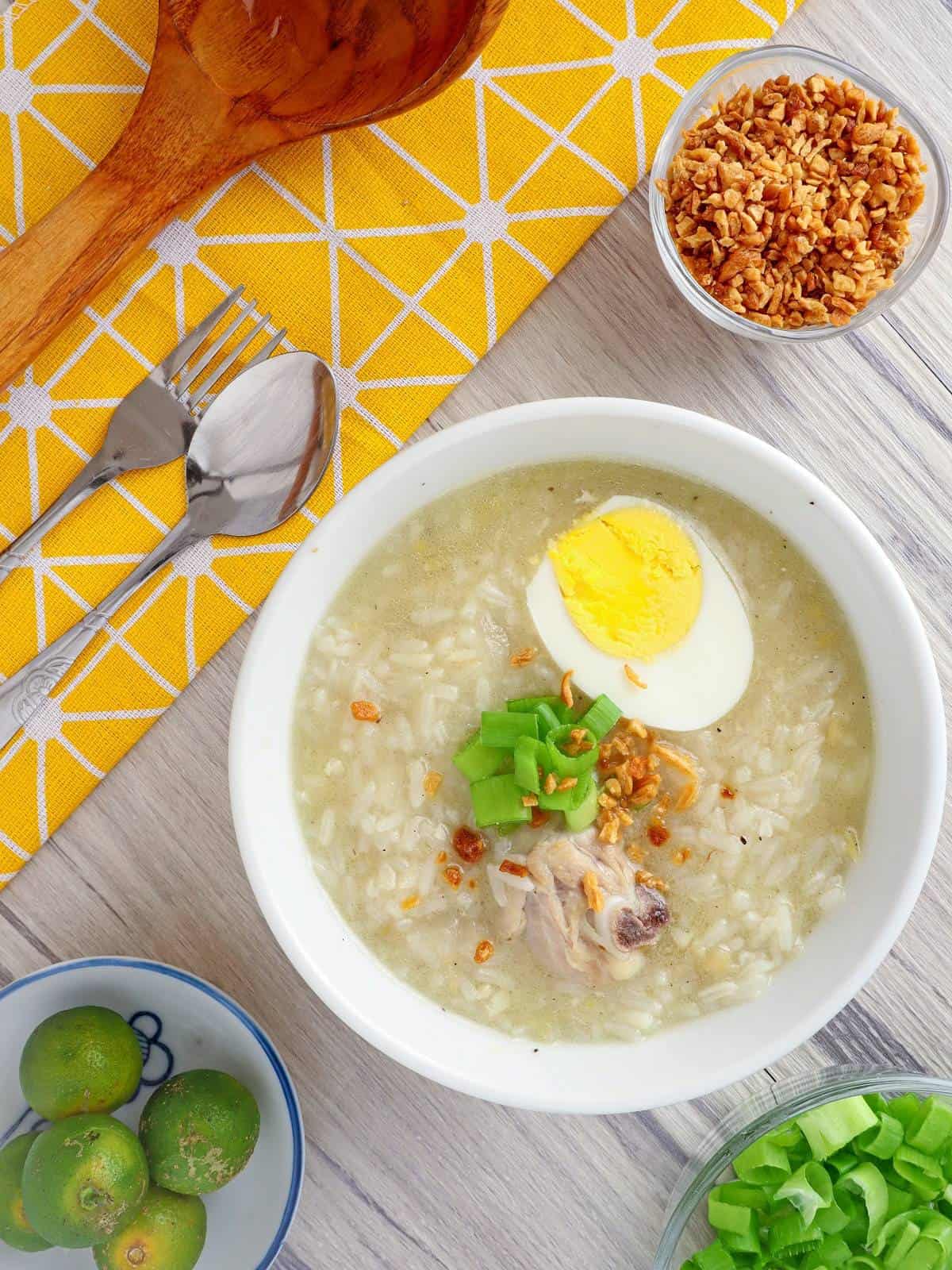 Easy
📜 Story
Easy
📜 Story
Arroz Caldo
Filipino Chicken Rice Porridge
Breakfast, rainy days, when feeling unwell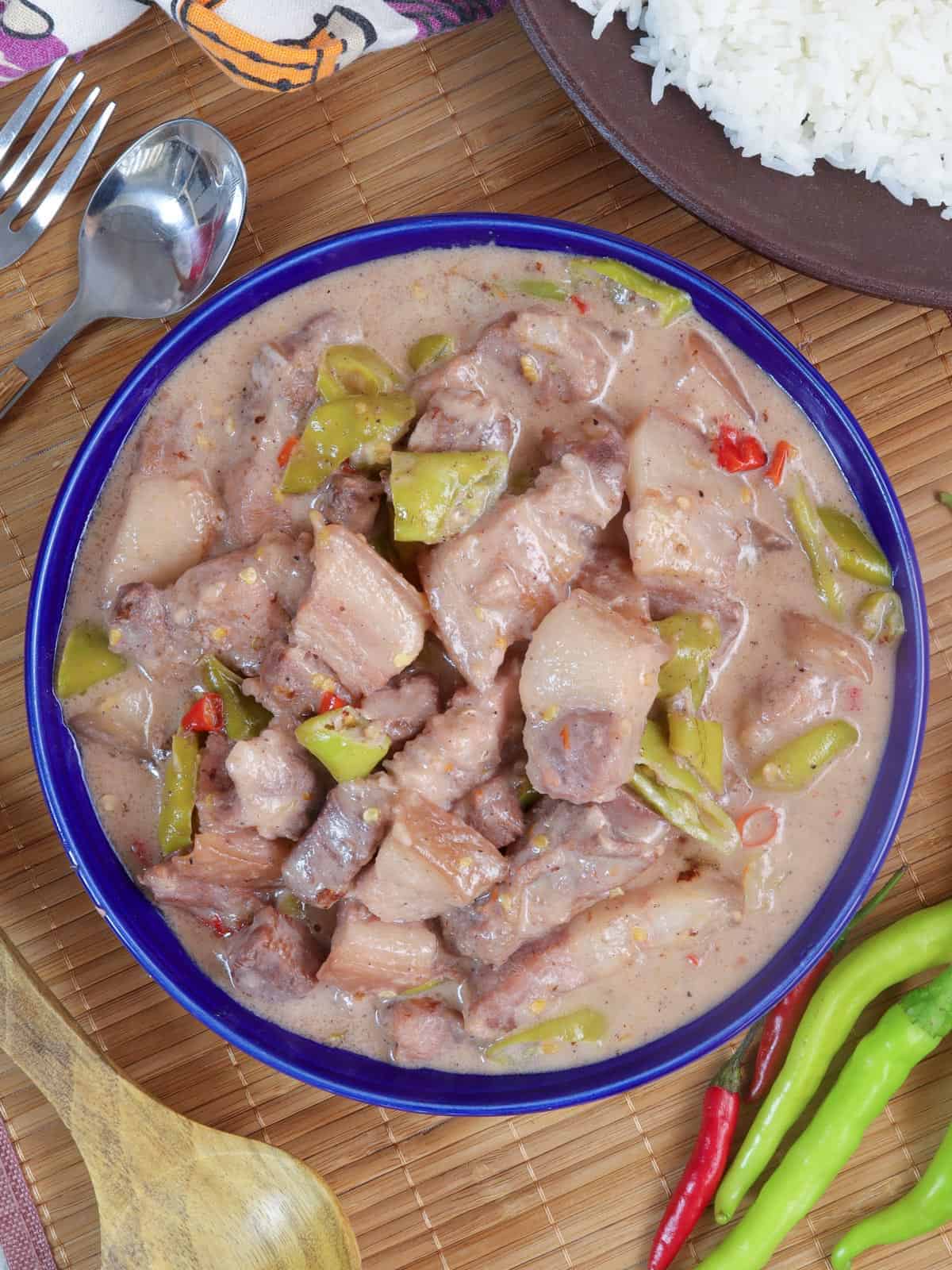 Easy
📜 Story
Easy
📜 Story
Bicol Express
Spicy Coconut Cream Stew
Lunch or dinner with lots of rice Easy
📜 Story
Easy
📜 Story
Bistek Tagalog
Filipino Beef Steak
Lunch or dinner with steamed rice
Comments (0)
Log in to leave a comment.
No comments yet. Be the first to share your thoughts!