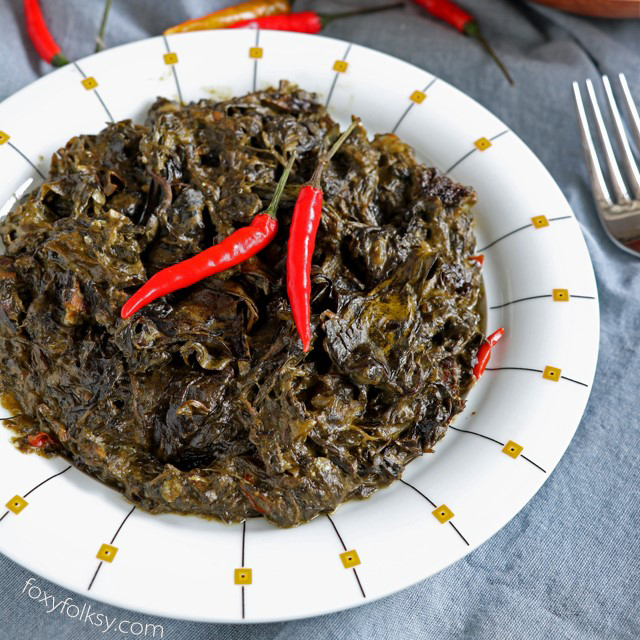
Dried taro leaves slow-simmered in thick coconut milk with shrimp paste, chilies, and aromatics until the leaves are silky-tender and the coconut cream is deeply concentrated.
Nutrition & Info
Allergen Warnings
Equipment Needed
Presentation Guide
Vessel: clay pot or deep bowl
Garnishes: coconut cream drizzle, sliced chilies
Accompaniments: steamed rice, grilled fish
Instructions
-
1
If using fresh taro leaves, dry them in the sun or oven until wilted. Squeeze out excess moisture.
-
2
Combine coconut milk, onion, garlic, ginger, and lemongrass in a heavy pot. Bring to a gentle simmer.
-
3
Add dried taro leaves without stirring. Let them simmer undisturbed for 15 minutes.
-
4
Add shrimp paste and chilies. Continue simmering without stirring for another 15 minutes.
-
5
Pour coconut cream over the top and simmer 10 more minutes until sauce thickens and leaves are silky.
-
6
Gently fold once to combine. Season with salt. Serve with steamed rice.
Did You Know?
The golden rule of cooking laing is to never stir it while the taro leaves are cooking — stirring releases calcium oxalate crystals that cause intense itching in the throat.
Chef's Notes
Equipment Tips
- heavy pot
- wooden spoon
Garnishing
coconut cream drizzle, sliced chilies
Accompaniments
steamed rice, grilled fish
The Story Behind Laing
Laing is the pride of the Bicol region in southern Luzon, where coconut palms and taro grow abundantly. Bicolano cuisine is famous for its love of coconut milk and chili peppers, and laing is the ultimate expression of both. The dish demonstrates sophisticated culinary knowledge — taro leaves are naturally irritating when raw, but slow cooking in coconut milk neutralizes the calcium oxalate, rendering them safe and delicious.
More Filipino Dishes
 Easy
📜 Story
Easy
📜 Story
Adobong Manok
Chicken Adobo
Any meal, year-round (the everyday Filipino dish)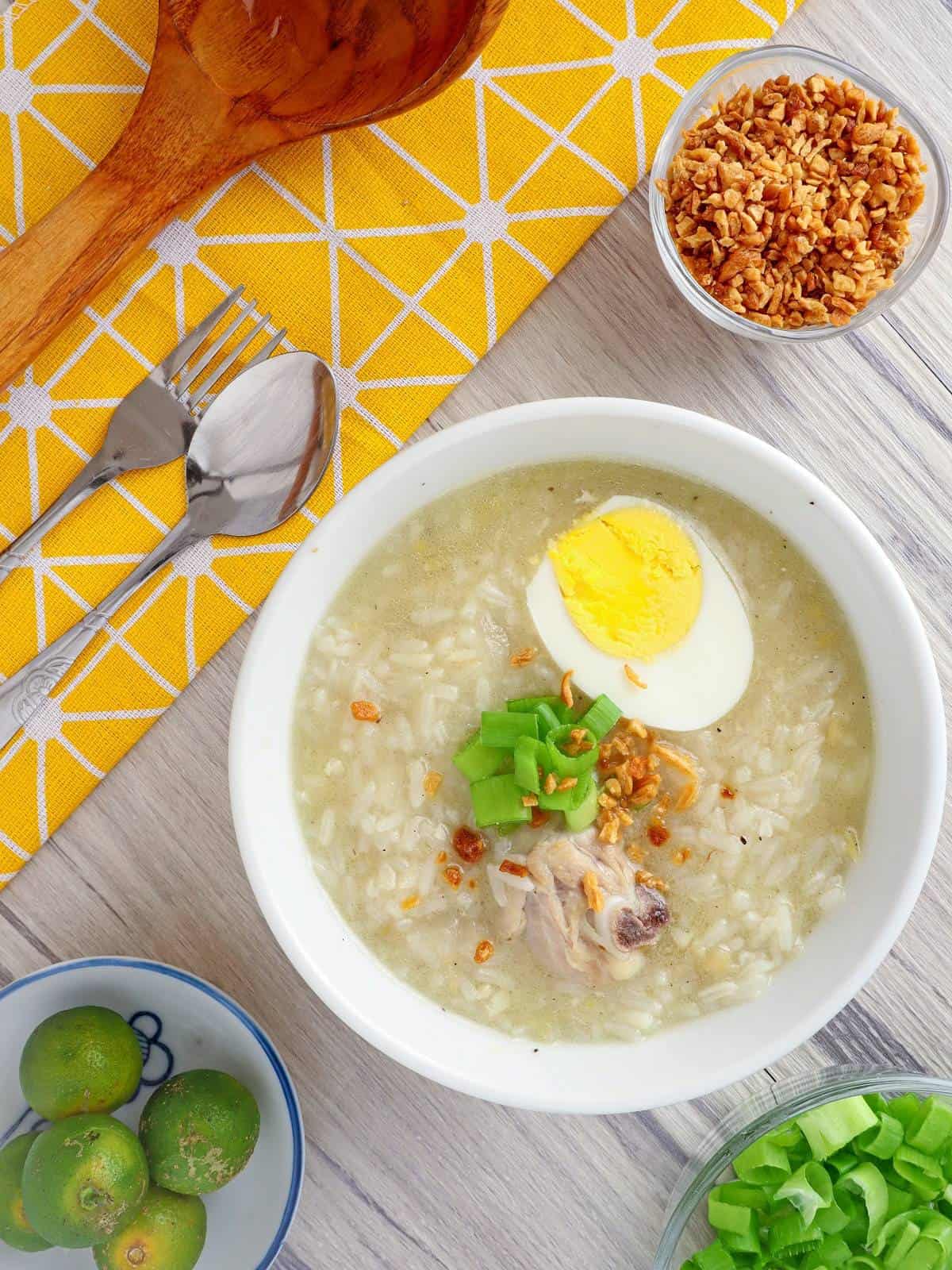 Easy
📜 Story
Easy
📜 Story
Arroz Caldo
Filipino Chicken Rice Porridge
Breakfast, rainy days, when feeling unwell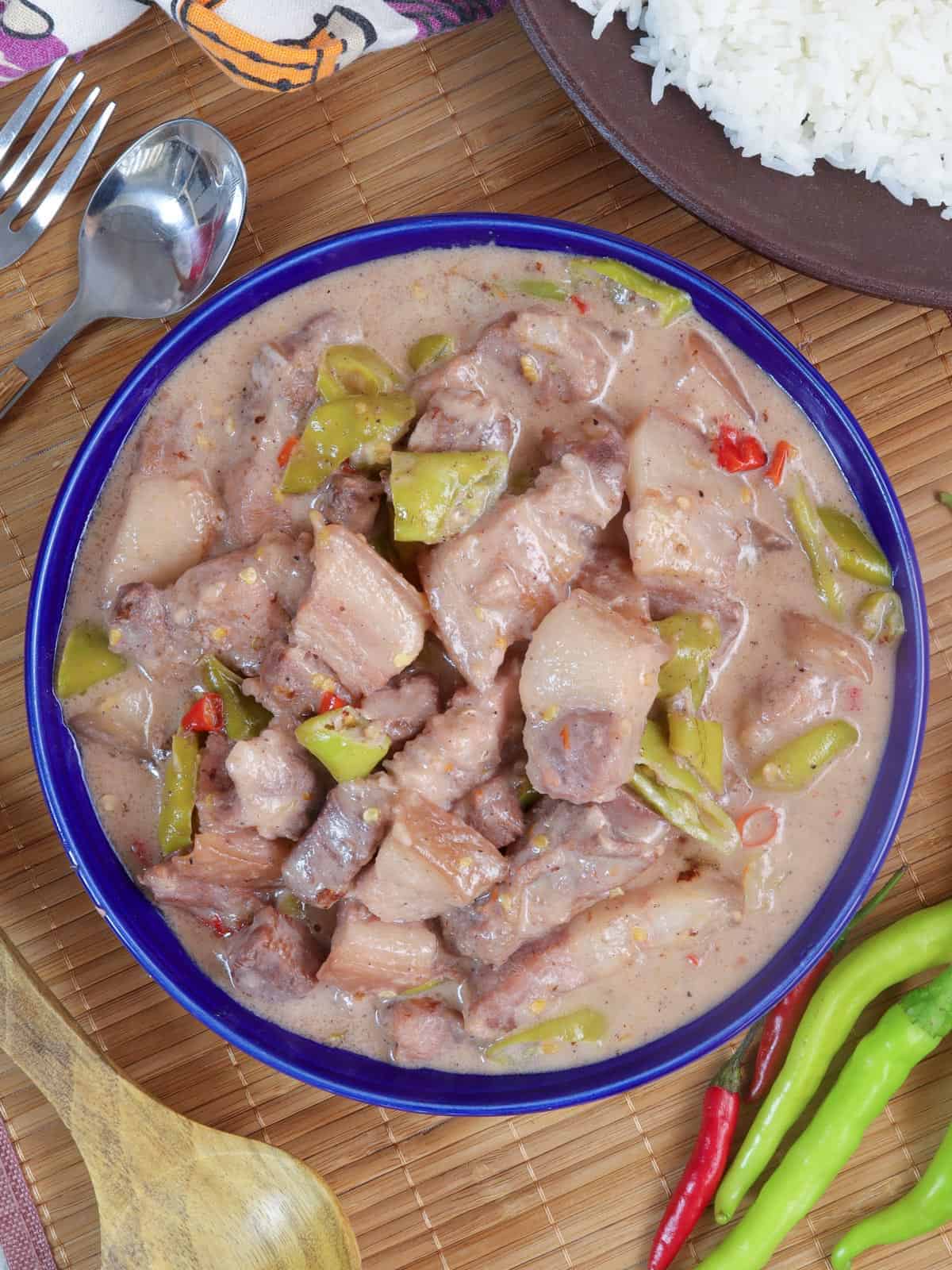 Easy
📜 Story
Easy
📜 Story
Bicol Express
Spicy Coconut Cream Stew
Lunch or dinner with lots of rice Easy
📜 Story
Easy
📜 Story
Bistek Tagalog
Filipino Beef Steak
Lunch or dinner with steamed rice
Comments (0)
Log in to leave a comment.
No comments yet. Be the first to share your thoughts!