
A rich, golden oxtail and tripe stew in a thick peanut sauce with eggplant, banana blossom, and string beans. Served with fermented shrimp paste for a flavor bomb.
Nutrition & Info
Allergen Warnings
Equipment Needed
Presentation Guide
Vessel: deep serving bowl
Garnishes: toasted peanuts, sautéed greens
Accompaniments: steamed rice, bagoong (shrimp paste)
Instructions
-
1
Place the oxtail pieces in a large pot, cover with water, and bring to a boil. Skim off the scum that rises to the surface, then reduce heat to low. Add one quartered onion and simmer for two and a half to three hours until the meat is very tender and falling from the bone.
-
2
Remove the cooked oxtail from the broth and set aside. Reserve four cups of the rich cooking broth. Strain the annatto seed water through a fine sieve to extract the deep orange colour, discarding the seeds. This provides kare-kare's signature golden hue.
-
3
Heat the vegetable oil in a large deep pot over medium heat. Saute the remaining quartered onion and garlic for five minutes until softened and fragrant. Add the toasted rice flour and stir for two minutes to create a light roux.
-
4
Pour in the reserved oxtail broth and annatto water, stirring constantly to prevent lumps. Add the ground peanuts or peanut butter and whisk until completely smooth. Bring to a simmer, stirring frequently, and cook for ten minutes until the sauce thickens.
-
5
Add the eggplant rounds and green beans to the thickened peanut sauce. Cook for eight minutes until the eggplant is soft and the beans are tender-crisp. Add the banana blossom if using, cooking for five more minutes.
-
6
Return the tender oxtail to the sauce and add the bok choy leaves, stirring gently. Simmer for five minutes until the greens wilt and the oxtail is heated through and coated in the rich, golden peanut sauce. Season with salt to taste.
-
7
Transfer the kare-kare to a large serving bowl, arranging the vegetables and oxtail attractively in the thick sauce. Serve with steamed rice and a small dish of fermented shrimp paste on the side, which adds essential salty contrast to the rich, nutty stew.
Did You Know?
Kare-kare is always served with bagoong (fermented shrimp paste) — the salty, funky paste is essential to balance the rich peanut sauce.
Chef's Notes
Equipment Tips
- large heavy pot
- mortar and pestle
- wooden spoon
Garnishing
toasted peanuts, sautéed greens
Accompaniments
steamed rice, bagoong (shrimp paste)
The Story Behind Kare-Kare
### The Story
Kare-kare is a rich, golden oxtail and tripe stew in a thick peanut-based sauce, one of the Philippines' most distinctive and labor-intensive dishes. The dish's origins are debated: one theory traces it to Indian sepoys (soldiers) stationed in the Philippines during the British occupation of Manila (1762-1764), who adapted their kari (curry) using local peanuts when Indian spices were unavailable. Another theory attributes it to the Kapampangan people of Pampanga province, long considered the Philippines' greatest cooks, who developed the peanut stew independently. The dish typically combines oxtail, tripe, and sometimes beef shank with a sauce thickened with ground roasted peanuts and colored with annatto, along with banana blossoms, eggplant, and string beans.
### On the Calendar
Kare-kare is a celebration dish, served at fiestas, family reunions, birthdays, and important gatherings. It is too labor-intensive for everyday cooking but is a centerpiece of Filipino festive tables.
### Then & Now
The essential accompaniment to kare-kare is bagoong alamang (fermented shrimp paste), which provides the salty, umami counterpoint that the mild, nutty stew requires. The contrast between the gentle peanut sauce and the pungent bagoong is the dish's genius. Traditional preparation involves toasting and grinding raw peanuts, though some modern cooks use peanut butter. The oxtail must be simmered for hours until fork-tender, and the banana blossom heart adds a subtle bitterness that balances the richness.
### Legacy
Kare-kare is Filipino cooking at its most ambitious -- a dish that rewards patience with extraordinary depth of flavor and stands as a testament to the Filipino genius for bold, unexpected flavor combinations.
More Filipino Dishes
 Easy
📜 Story
Easy
📜 Story
Adobong Manok
Chicken Adobo
Any meal, year-round (the everyday Filipino dish)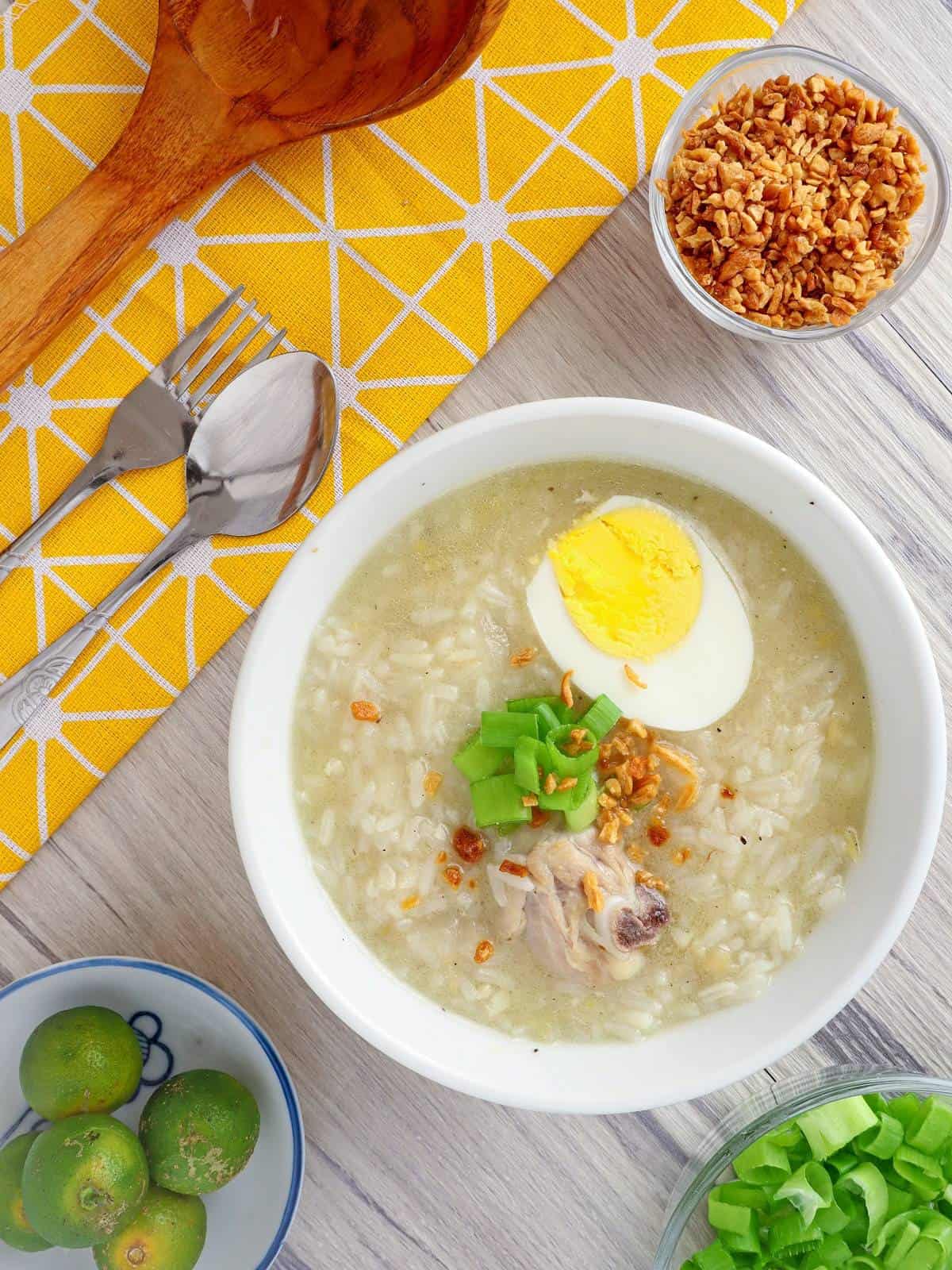 Easy
📜 Story
Easy
📜 Story
Arroz Caldo
Filipino Chicken Rice Porridge
Breakfast, rainy days, when feeling unwell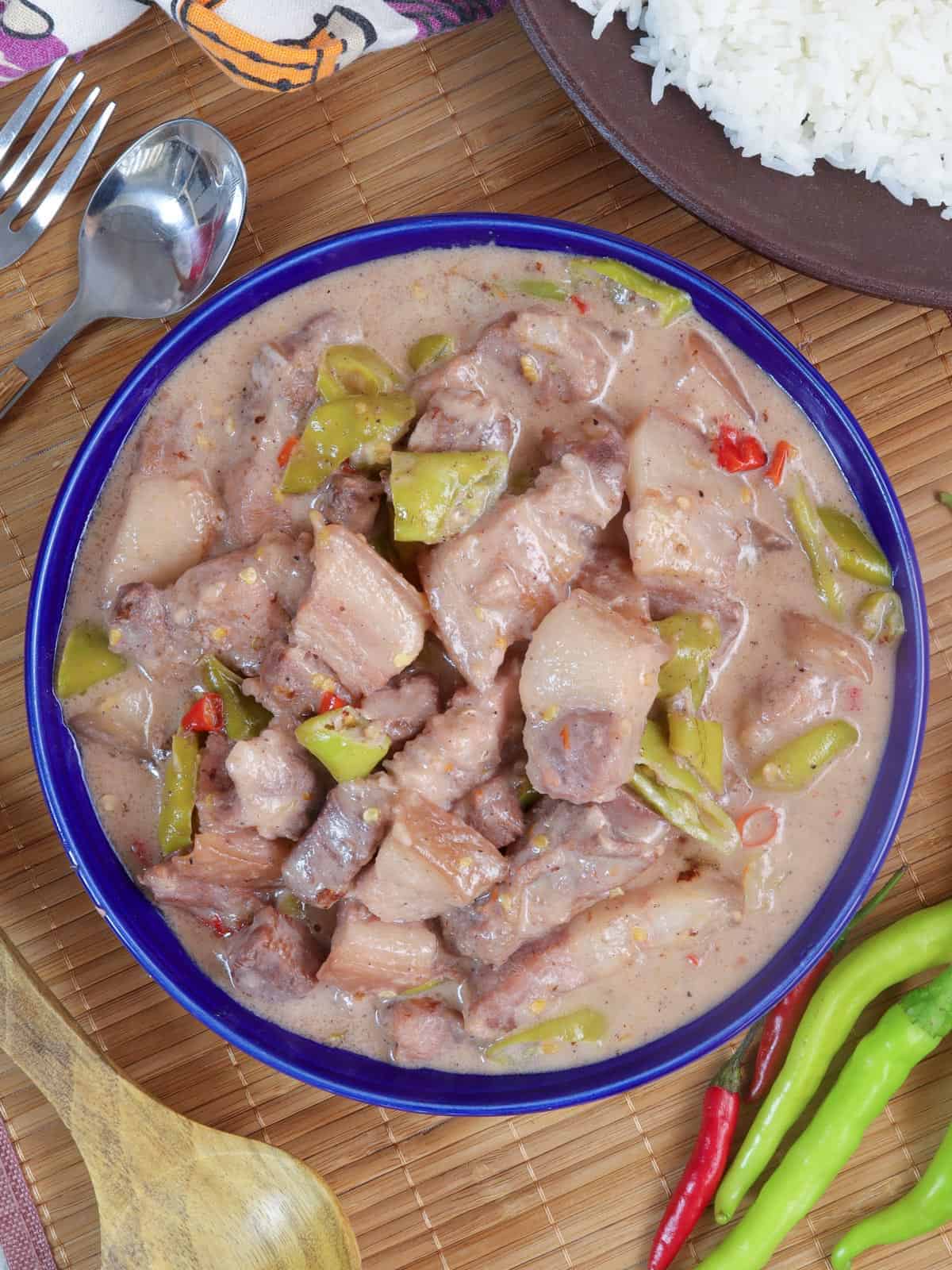 Easy
📜 Story
Easy
📜 Story
Bicol Express
Spicy Coconut Cream Stew
Lunch or dinner with lots of rice Easy
📜 Story
Easy
📜 Story
Bistek Tagalog
Filipino Beef Steak
Lunch or dinner with steamed rice
Comments (0)
Log in to leave a comment.
No comments yet. Be the first to share your thoughts!