
Ginataang Hipon
Ginataang Hipon (ghee-nah-TAH-ang hee-PON)
Shrimp in Coconut Milk
Plump shrimp simmered in a luscious coconut milk sauce with squash, string beans, and bird's eye chilies — a creamy, mildly sweet Filipino seafood dish that showcases coconut at its best.
Nutrition & Info
Allergen Warnings
Equipment Needed
Presentation Guide
Vessel: deep serving bowl
Garnishes: coconut cream drizzle, bird's eye chilies
Accompaniments: steamed rice, fish sauce with calamansi
Instructions
-
1
Sauté garlic, onion, and ginger in a pot until fragrant, about 2 minutes.
-
2
Pour in coconut milk and bring to a gentle simmer.
-
3
Add squash cubes and cook 8 minutes until nearly tender.
-
4
Add string beans and cook 3 minutes.
-
5
Add shrimp and chilies. Simmer 5 minutes until shrimp are pink and curled.
-
6
Pour in coconut cream and fish sauce. Simmer 2 more minutes. Season with salt and pepper. Serve over rice.
Did You Know?
Filipino cooks always cook shrimp with their heads on because the head fat melts into the coconut sauce, adding an incredible depth of umami that headless shrimp cannot provide.
Chef's Notes
Equipment Tips
- medium pot
- wooden spoon
Garnishing
coconut cream drizzle, bird's eye chilies
Accompaniments
steamed rice, fish sauce with calamansi
The Story Behind Ginataang Hipon
Ginataan (coconut milk cooking) is one of the most ancient and fundamental Filipino cooking methods, predating all colonial influence. The Philippines is one of the world's largest coconut producers, and coconut milk appears in dishes from every region of the archipelago. Ginataang hipon showcases the natural pairing of fresh seafood and coconut that defines coastal Filipino cooking, a tradition stretching back thousands of years.
More Filipino Dishes
 Easy
📜 Story
Easy
📜 Story
Adobong Manok
Chicken Adobo
Any meal, year-round (the everyday Filipino dish)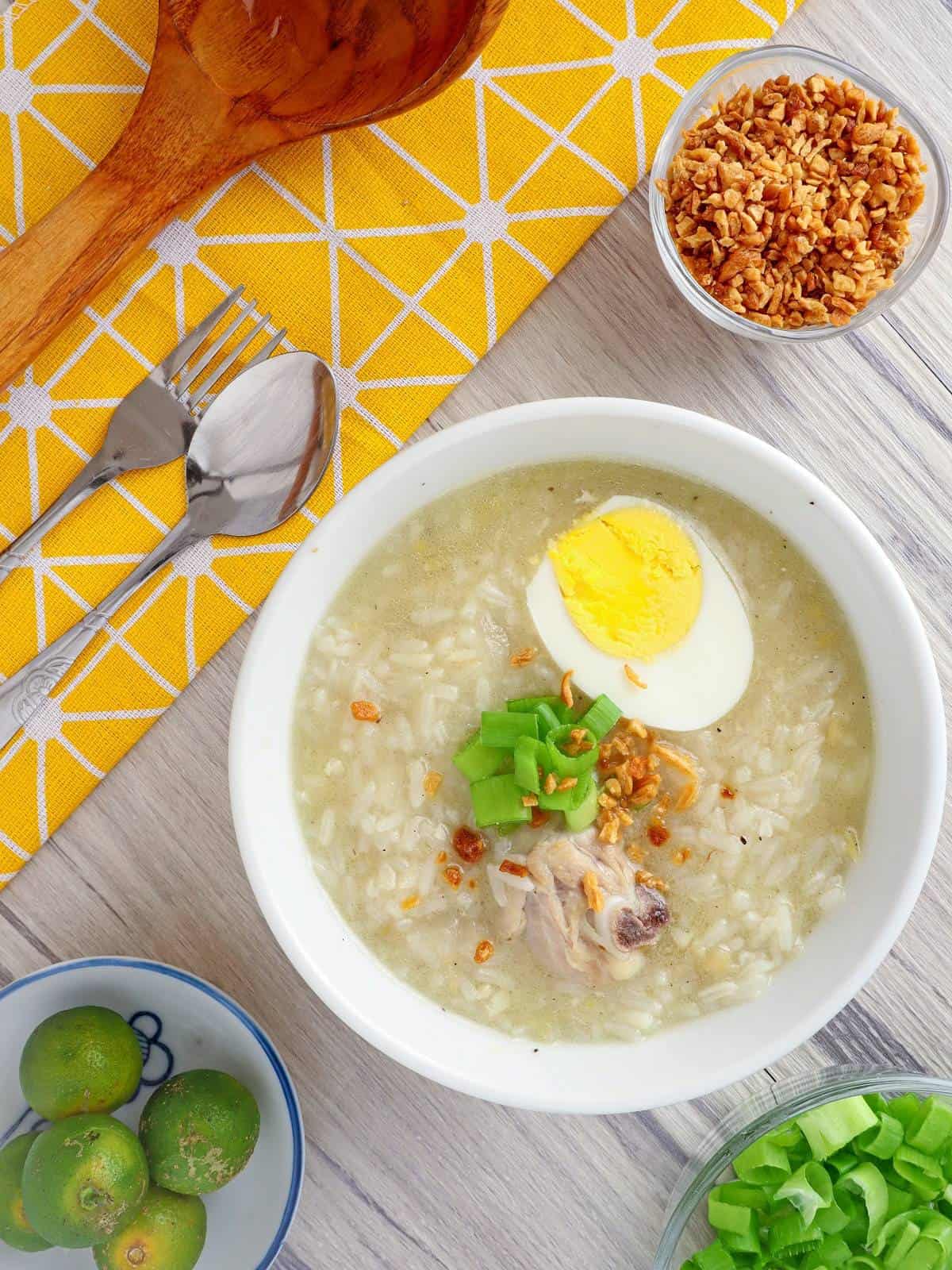 Easy
📜 Story
Easy
📜 Story
Arroz Caldo
Filipino Chicken Rice Porridge
Breakfast, rainy days, when feeling unwell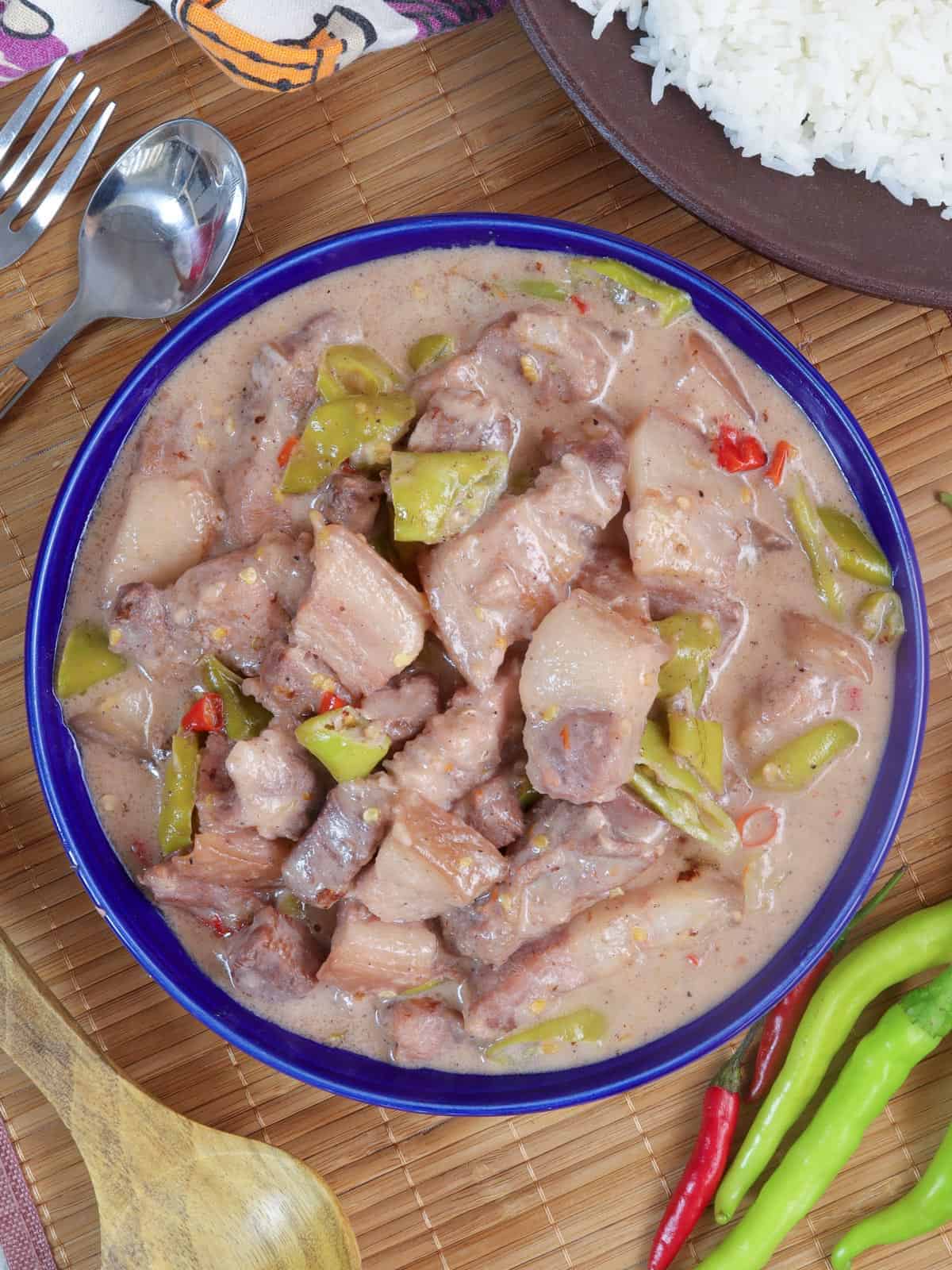 Easy
📜 Story
Easy
📜 Story
Bicol Express
Spicy Coconut Cream Stew
Lunch or dinner with lots of rice Easy
📜 Story
Easy
📜 Story
Bistek Tagalog
Filipino Beef Steak
Lunch or dinner with steamed rice
Comments (0)
Log in to leave a comment.
No comments yet. Be the first to share your thoughts!