
Chicken braised in a powerfully savory sauce of vinegar, soy sauce, garlic, and black peppercorns until fork-tender and glossy. The undisputed king of Filipino home cooking.
Nutrition & Info
Allergen Warnings
Equipment Needed
Presentation Guide
Vessel: shallow bowl over rice
Garnishes: fried garlic bits, sliced scallions
Accompaniments: steamed rice
Instructions
-
1
Combine the soy sauce, vinegar, crushed garlic cloves, bay leaves, peppercorns, and water in a large bowl. Add the chicken pieces and toss to coat evenly. Marinate for at least thirty minutes at room temperature, or up to four hours in the refrigerator.
-
2
Transfer the chicken and all the marinade to a large heavy-bottomed pot. Bring to a boil over high heat, then immediately reduce to medium-low and simmer uncovered for thirty minutes, turning the chicken pieces occasionally so they cook evenly.
-
3
Remove the chicken pieces from the braising liquid and pat dry with paper towels. Heat the vegetable oil in a large skillet over medium-high heat. Pan-fry the chicken pieces skin-side down for three to four minutes until the skin is deeply golden and crispy.
-
4
Flip and brown the other side for two minutes. While the chicken crisps, strain the braising liquid to remove the bay leaves and peppercorns, then pour it back into the pot and bring to a rapid boil to reduce by about one-third.
-
5
Add the brown sugar if using and stir until dissolved. The sauce should be glossy, deeply coloured, and thick enough to coat the back of a spoon. The balance between soy sauce saltiness and vinegar tanginess is the hallmark of great adobo.
-
6
Return the crispy chicken to the reduced sauce and toss to coat each piece in the glossy glaze. Cook together for two minutes, spooning the sauce over the chicken continuously to build up layers of flavour on the crispy skin.
-
7
Serve the chicken adobo over steamed jasmine rice with the remaining sauce spooned generously over the top. Garnish with the soft braised garlic cloves, which become sweet and spreadable after the long cooking. This is the national dish of the Philippines.
Did You Know?
Every Filipino family has their own adobo recipe, and passionate debates about the 'correct' version are a national pastime.
Chef's Notes
Equipment Tips
- large heavy pot or wok
- wooden spoon
Garnishing
fried garlic bits, sliced scallions
Accompaniments
steamed rice
The Story Behind Adobong Manok
### The Story
Adobo is the unofficial national dish of the Philippines, a braised meat preparation so fundamental to Filipino identity that every family, every province, and every island claims its own definitive version. The dish predates Spanish colonization -- indigenous Filipinos were already preserving meat and fish in vinegar and salt long before the Spanish arrived in the 16th century. Spanish colonizers recognized the technique's similarity to their own adobo (marinating in vinegar) and applied the name, but the Filipino dish is an entirely distinct creation. Chicken adobo, the most popular version, involves braising chicken pieces in a mixture of vinegar, soy sauce (introduced by Chinese traders), garlic, bay leaves, and black peppercorns until the sauce reduces to a thick, glossy coating.
### On the Calendar
Adobo is eaten year-round and at any meal. It is the quintessential everyday Filipino dish, prepared in homes across all regions and social classes. Its vinegar base also made it a practical dish in the tropical heat, as it preserves well without refrigeration.
### Then & Now
The beauty of adobo lies in its infinite variation -- dry adobo with caramelized sauce, saucy adobo swimming in braising liquid, coconut milk adobo (adobo sa gata) from the Visayas, turmeric-yellow adobo from Zamboanga, and white adobo (adobong puti) without soy sauce. The only constants are vinegar and garlic. Debates over the "correct" adobo recipe are a beloved Filipino pastime, and the dish has become a rallying point for Filipino culinary pride on the international stage.
### Legacy
Chicken adobo is the taste of Filipino home -- a dish of profound simplicity and endless variation that carries the entire history of the Philippines in its sour, savory, garlicky depths.
More Filipino Dishes
 Easy
📜 Story
Easy
📜 Story
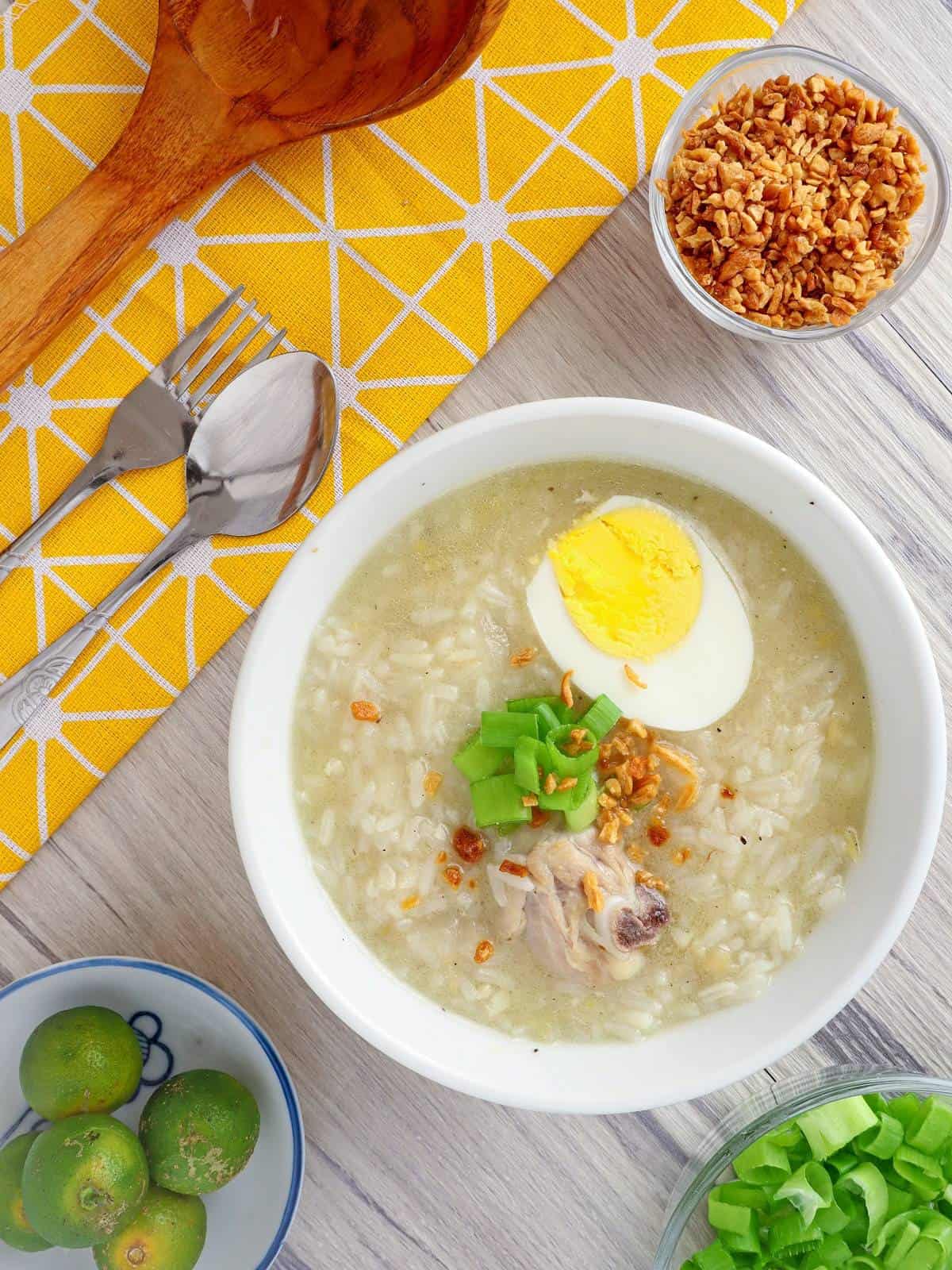
Arroz Caldo
Filipino Chicken Rice Porridge
Breakfast, rainy days, when feeling unwell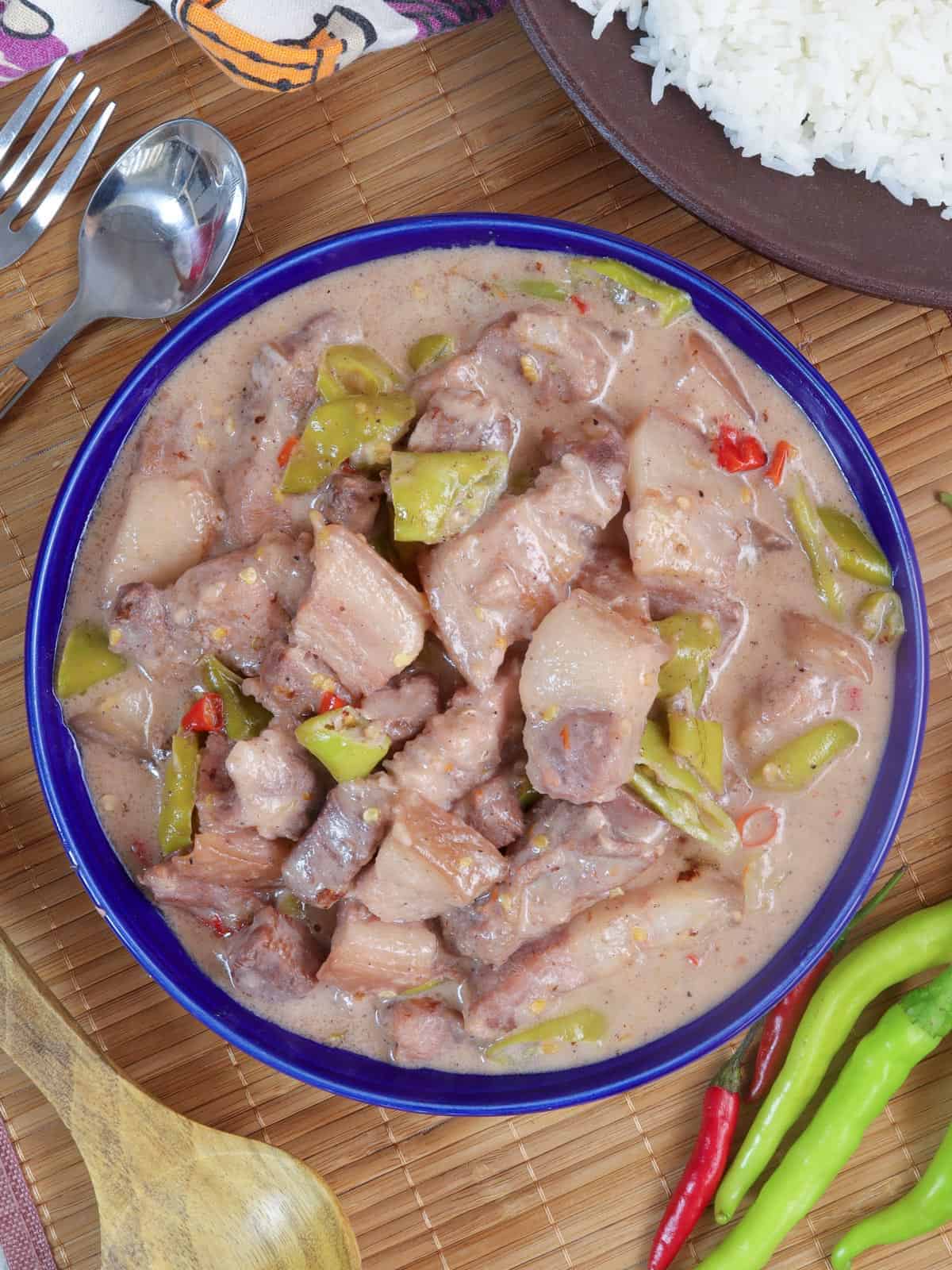 Easy
📜 Story
Easy
📜 Story
Bicol Express
Spicy Coconut Cream Stew
Lunch or dinner with lots of rice Easy
📜 Story
Easy
📜 Story
Bistek Tagalog
Filipino Beef Steak
Lunch or dinner with steamed rice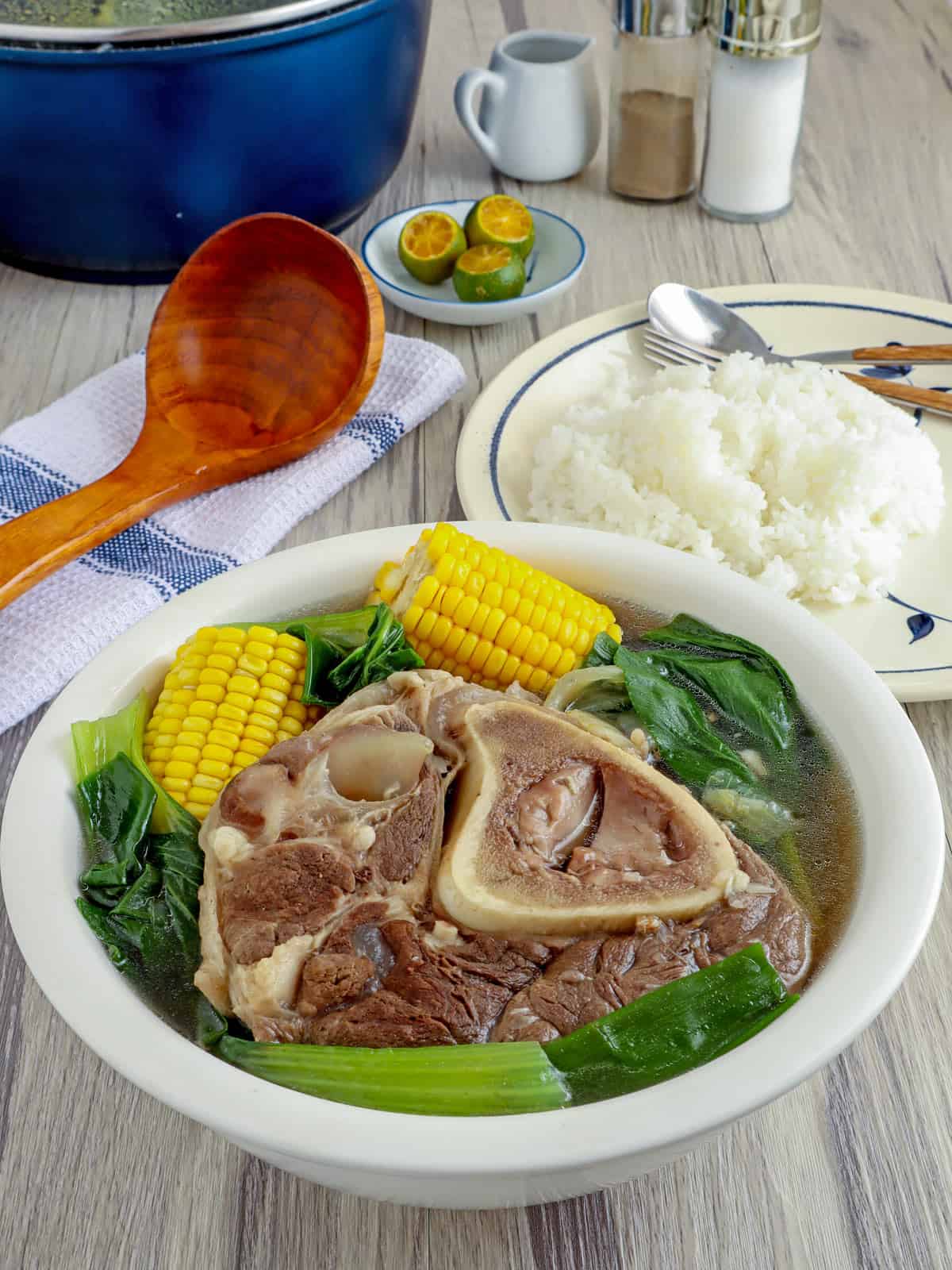 Medium
📜 Story
Medium
📜 Story
Bulalo
Beef Bone Marrow Soup
Rainy season, cold mornings in Tagaytay
Comments (0)
Log in to leave a comment.
No comments yet. Be the first to share your thoughts!