
Bistek Tagalog
Bistek Tagalog (bis-TEK tah-GAH-log)
Filipino Beef Steak
Tender slices of beef sirloin braised in a tangy soy-calamansi sauce and topped with caramelized onion rings — a beloved Filipino comfort dish that balances salty, sour, and sweet.
Nutrition & Info
Allergen Warnings
Equipment Needed
Presentation Guide
Vessel: oval serving plate
Garnishes: caramelized onion rings, calamansi halves
Accompaniments: steamed rice, atchara (pickled papaya)
Instructions
-
1
Marinate beef slices in soy sauce and calamansi juice for at least 30 minutes.
-
2
Heat oil in a skillet over high heat. Sear beef slices in batches for 1 minute per side. Set aside.
-
3
In the same pan, caramelize onion rings until golden and slightly softened, about 5 minutes.
-
4
Remove onions, pour marinade into the pan, add sugar, and bring to a simmer.
-
5
Return beef to the sauce, cook 2-3 minutes until sauce thickens slightly.
-
6
Top with caramelized onions and serve immediately over steamed rice.
Did You Know?
Bistek Tagalog is the Filipino adaptation of the Spanish "bistec," transformed with local calamansi citrus instead of lemon and soy sauce instead of wine.
Chef's Notes
Equipment Tips
- skillet
- tongs
Garnishing
caramelized onion rings, calamansi halves
Accompaniments
steamed rice, atchara (pickled papaya)
The Story Behind Bistek Tagalog
Bistek Tagalog exemplifies how Filipino cuisine absorbed Spanish colonial influence and reimagined it with local ingredients. The Spanish bistec became a completely different dish when Filipino cooks substituted calamansi for European citrus and soy sauce for wine-based sauces. The generous pile of caramelized onions is a distinctly Filipino touch, adding sweetness that balances the sour-salty braising liquid.
More Filipino Dishes
 Easy
📜 Story
Easy
📜 Story
Adobong Manok
Chicken Adobo
Any meal, year-round (the everyday Filipino dish)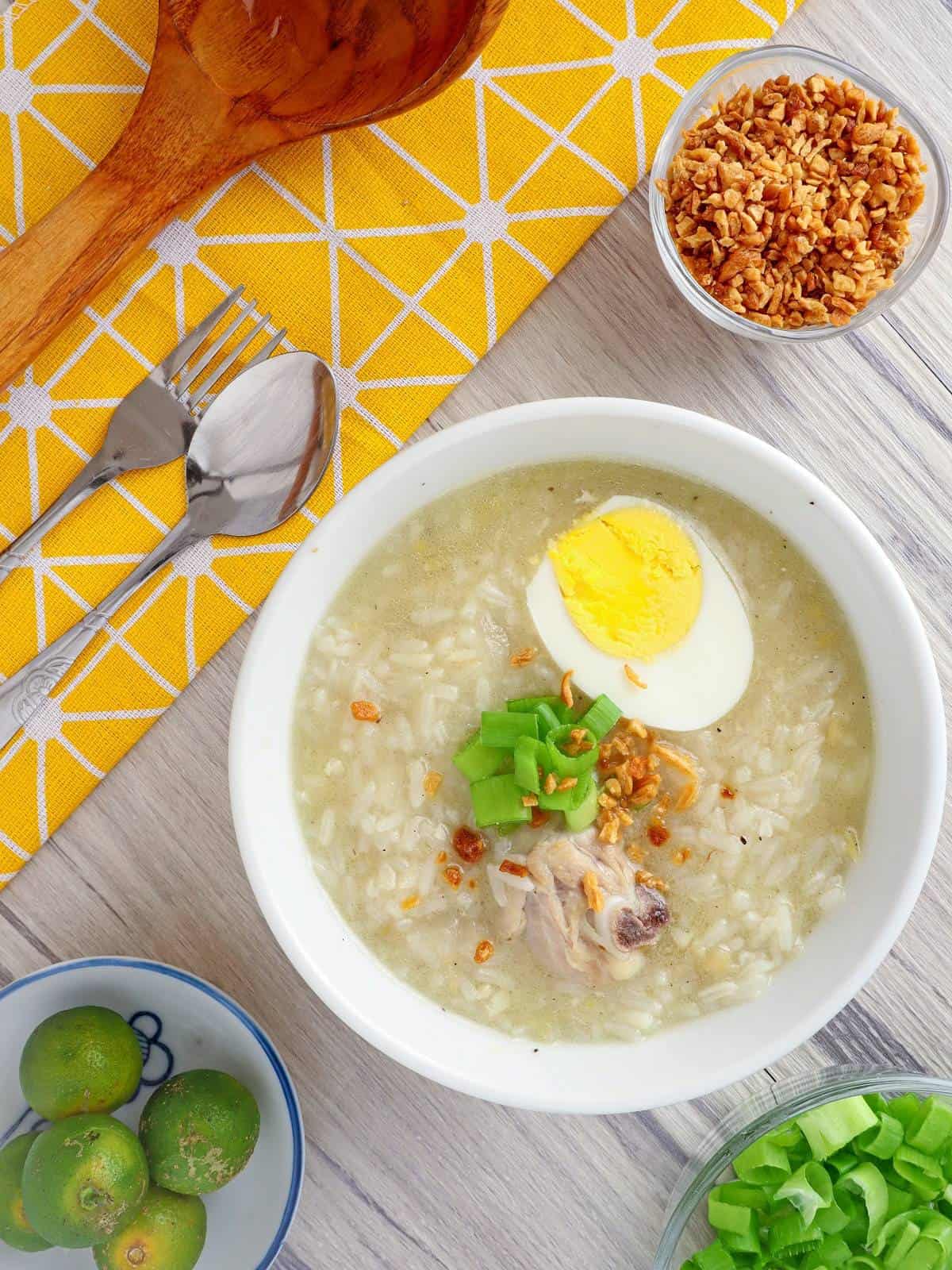 Easy
📜 Story
Easy
📜 Story
Arroz Caldo
Filipino Chicken Rice Porridge
Breakfast, rainy days, when feeling unwell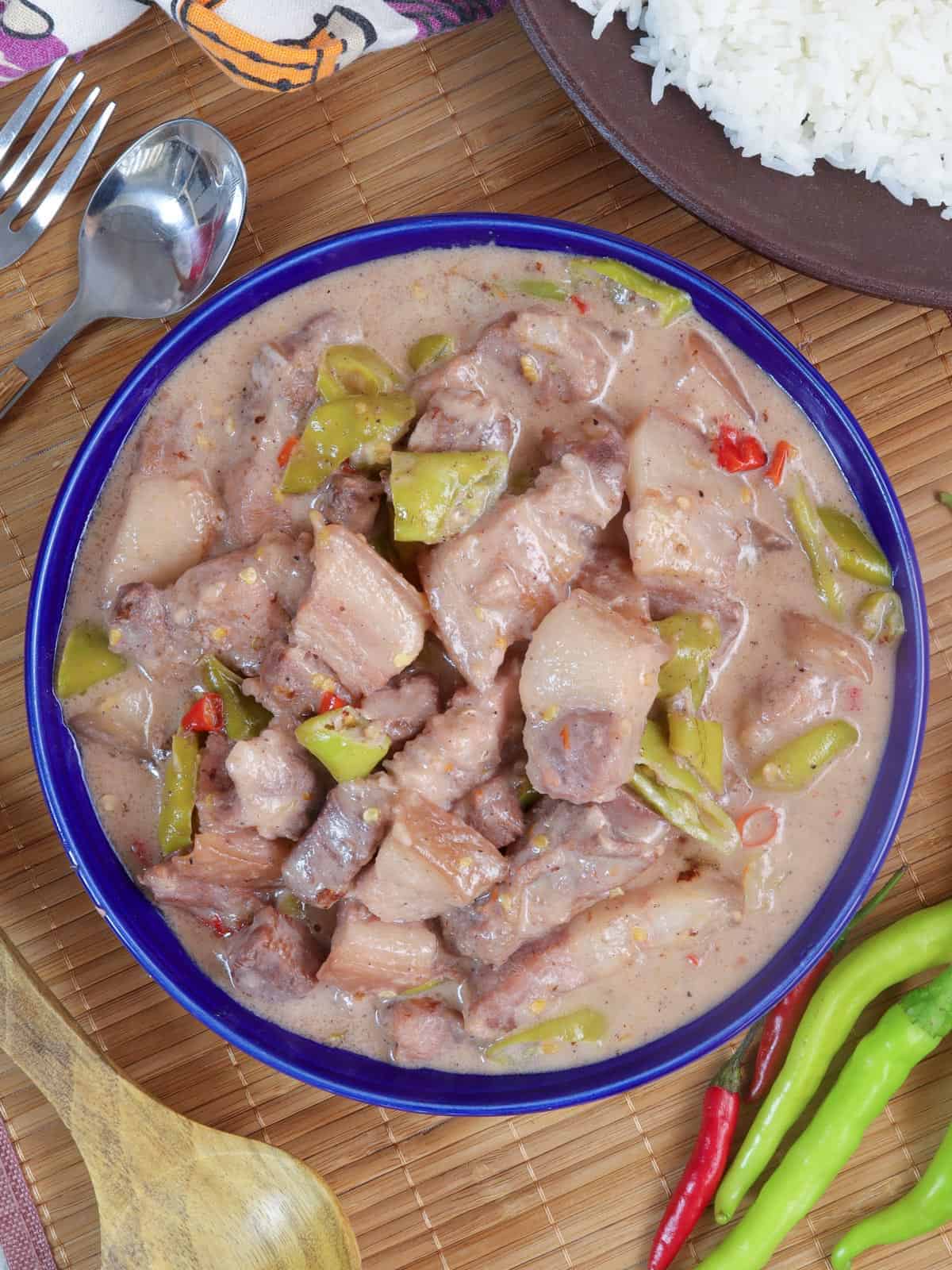 Easy
📜 Story
Easy
📜 Story
Bicol Express
Spicy Coconut Cream Stew
Lunch or dinner with lots of rice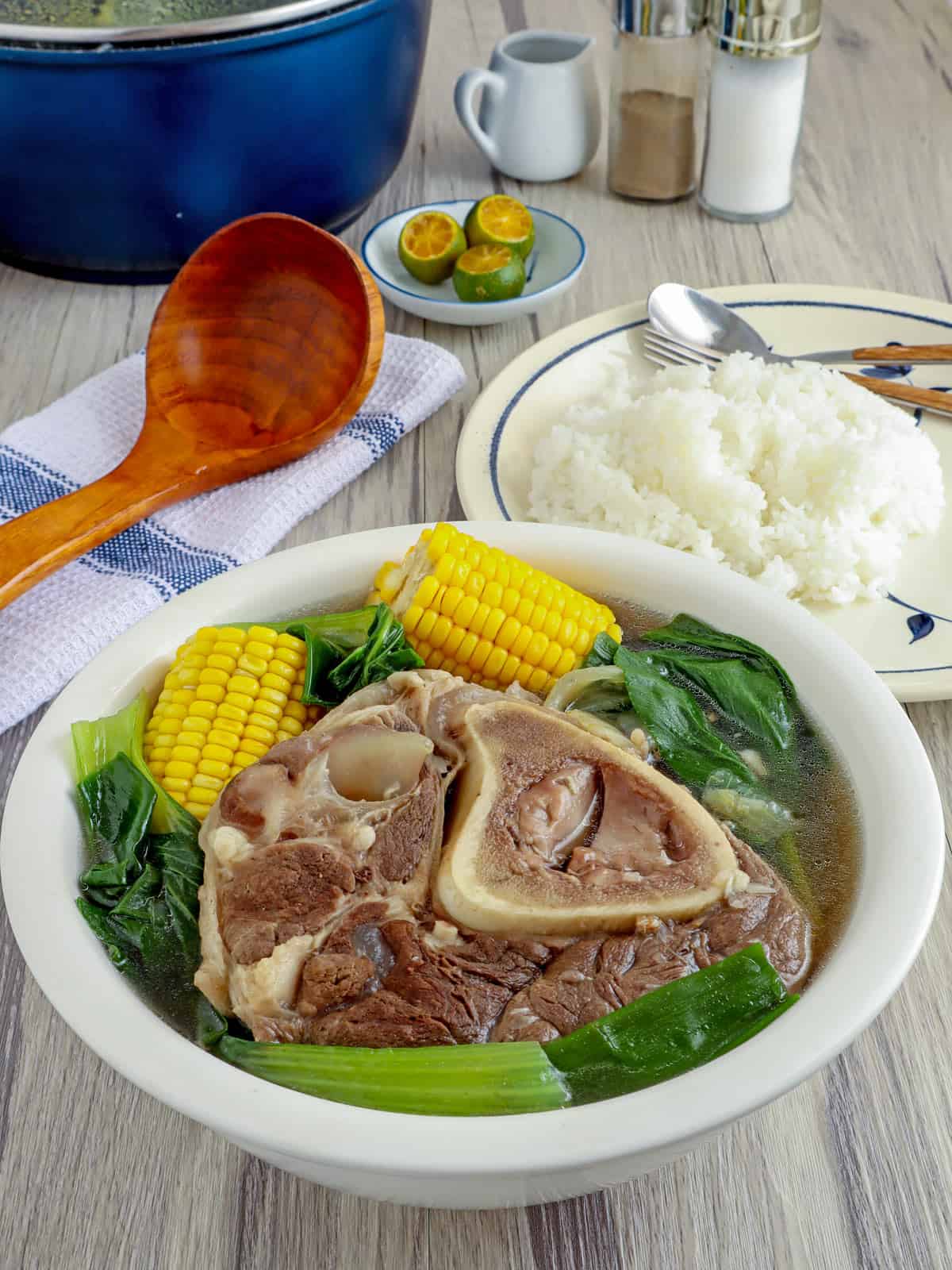 Medium
📜 Story
Medium
📜 Story
Bulalo
Beef Bone Marrow Soup
Rainy season, cold mornings in Tagaytay
Comments (0)
Log in to leave a comment.
No comments yet. Be the first to share your thoughts!