
Fresh sea grapes harvested from Fijian reefs, tossed with lemon juice, coconut cream, onions, and chili. A unique ocean delicacy.
Nutrition & Info
Allergen Warnings
Equipment Needed
Presentation Guide
Vessel: coconut shell bowl
Garnishes: lemon wedge, chili slices
Accompaniments: cassava chips
Instructions
-
1
Rinse the nama thoroughly in fresh water to remove sand and debris.
-
2
Gently squeeze out excess water without crushing the delicate bubbles.
-
3
Combine coconut cream, lemon juice, diced onion, tomato, and chili in a bowl.
-
4
Add the nama and toss gently to coat without bursting the sea grape capsules.
-
5
Season with salt and serve immediately while the nama is fresh and crisp.
Did You Know?
Nama are tiny seaweed capsules that pop in your mouth like caviar, earning them the nickname 'green caviar of the Pacific.'
Chef's Notes
Equipment Tips
- mixing bowl
- colander
Garnishing
lemon wedge, chili slices
Accompaniments
cassava chips
The Story Behind Nama
Nama, or sea grapes (Caulerpa racemosa), is a unique seaweed found on Fiji's coral reefs. The tiny green bubbles grow in grape-like clusters and have been harvested by coastal Fijian communities for centuries. Each capsule pops in the mouth, releasing a burst of briny ocean flavor.
On the Calendar: Nama is a seasonal delicacy, most abundant during the cooler months. It is harvested by women and children wading in shallow reef areas during low tide.
Then & Now: Traditionally eaten raw with coconut cream and lemon, nama has gained international attention as Pacific cuisine gains global recognition. Some restaurants now feature it as a gourmet appetizer.
Legacy: Nama represents the intimate relationship between Fijian communities and their coral reef ecosystems, a food that can only be enjoyed where tropical reefs thrive.
More Fijian Dishes
 Easy
📜 Story
Easy
📜 Story
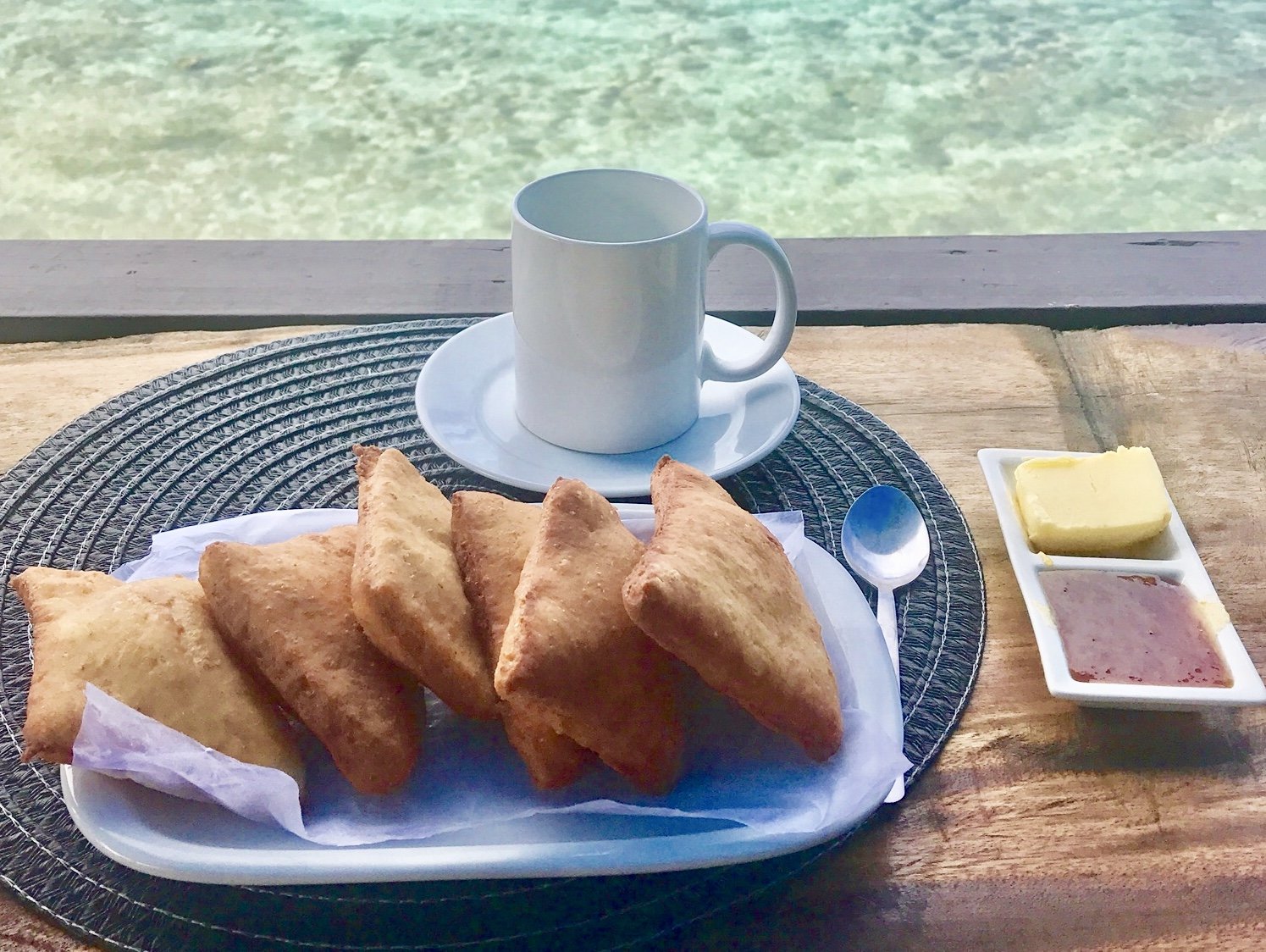
Babakau
Fijian Fried Dough
Snack, any time of day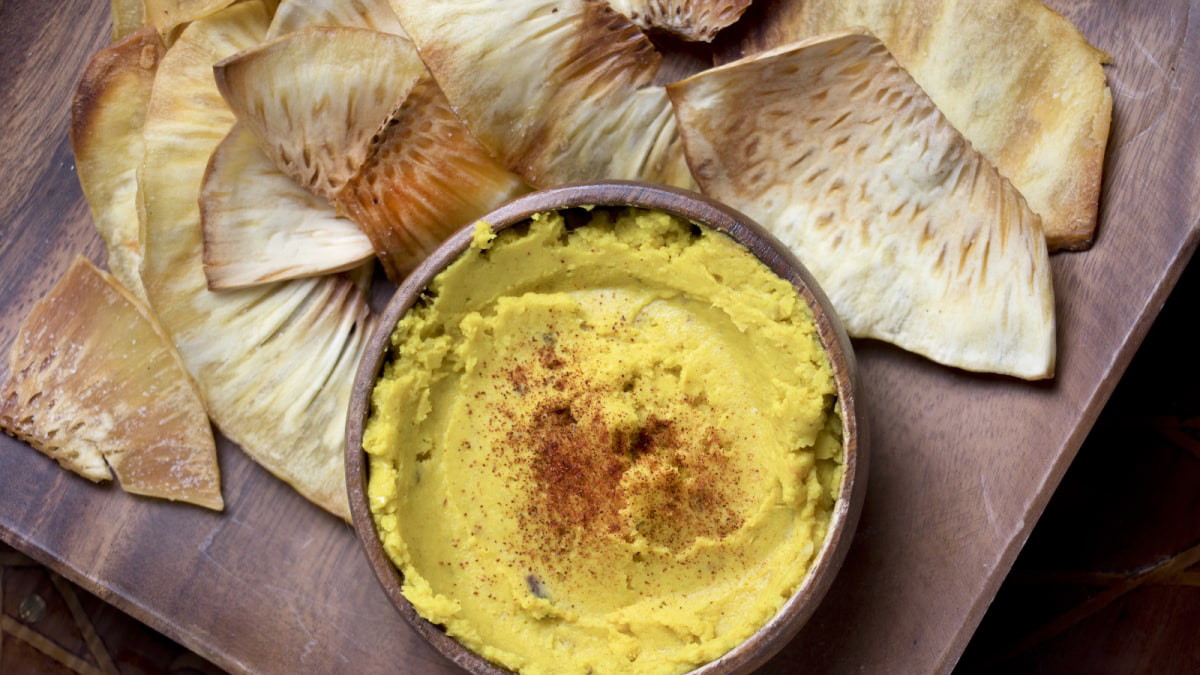 Easy
📜 Story
Easy
📜 Story
Breadfruit Chips
Fried Breadfruit Slices
Snack, anytime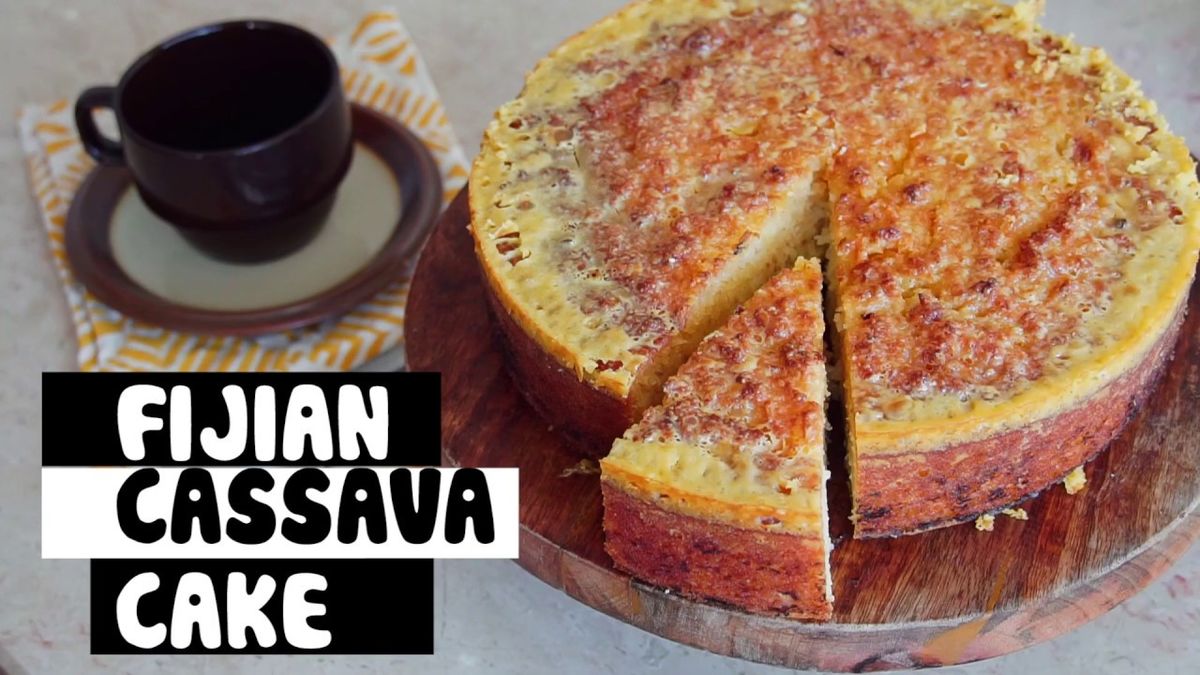 Easy
📜 Story
Easy
📜 Story
Cassava Cake
Fijian Tapioca Cake
Celebrations, church events, dessert Hard
📜 Story
Hard
📜 Story
Coconut Crab Curry
Fijian Coconut Crab Curry
Special occasions, festive meals
Comments (0)
Log in to leave a comment.
No comments yet. Be the first to share your thoughts!