
Meat, fish, and root vegetables wrapped in banana leaves and slow-cooked in an underground earth oven. Fiji's communal celebration cooking.
Instructions
-
1
If cooking traditionally, dig a pit about sixty centimetres deep and one metre wide. Build a large fire in the pit and heat river stones or volcanic rocks for two to three hours until they glow red. For oven adaptation, preheat to 180C and use Dutch ovens.
-
2
Season the lamb, beef, and chicken pieces generously with salt. Wrap each portion of meat separately in softened banana leaves, folding the leaves tightly around the meat to create sealed packages that will trap steam during cooking.
-
3
Prepare the palusami filling by layering taro leaves and pouring coconut cream over them, then wrapping them tightly in banana leaves. Season with salt. These coconut-creamed greens are an essential component of every lovo feast.
-
4
Wrap the taro roots and sweet potatoes individually in banana leaves. The plantains can remain in their skins. Each item must be wrapped separately to ensure even cooking since different items require different cooking times underground.
-
5
Layer the hot stones in the pit, then arrange the wrapped food packages on top: meat and root vegetables on the bottom closest to the stones since they need the most heat, and the lighter items like palusami and plantains on top.
-
6
Cover everything with additional banana leaves, then burlap sacks or damp cloth, and finally a thick layer of earth to seal in all the heat and steam. For oven method, arrange in covered Dutch ovens with a cup of water and cook for three hours.
-
7
After three to four hours, carefully unearth the lovo, removing the soil and coverings to reveal the steaming banana leaf packages inside. Unwrap each package at the table, allowing the aromatic steam to escape dramatically for the gathered guests.
Did You Know?
Lovo feasts are the centerpiece of Fijian celebrations, from weddings to welcoming important visitors.
The Story Behind Lovo Feast
The Story: Lovo is Fiji's traditional earth oven feast, where an entire meal of meat, fish, root vegetables, and leafy parcels is cooked underground on a bed of heated volcanic stones, covered with banana leaves and earth, and slow-steamed for hours until everything emerges tender, smoky, and infused with the fragrance of tropical leaves. The technique is shared across Polynesian and Melanesian cultures (known as umu, hangi, or umu ti in other Pacific Island nations) and dates back thousands of years to the earliest Pacific settlers. Preparing a lovo is a communal effort, with men typically digging the pit and heating the stones while women prepare the food for wrapping.
On the Calendar: Lovo feasts mark every significant occasion in Fijian life: weddings, funerals, church celebrations, village meetings, the installation of chiefs, and national holidays. A lovo is the highest form of Fijian hospitality, signaling that the occasion and guests are worthy of maximum effort.
Then & Now: While daily cooking has moved to modern stoves, the lovo remains essential for ceremonial occasions. Tourism resorts regularly stage lovo feasts for visitors, introducing the tradition to an international audience while providing income to local communities.
Legacy: The lovo is more than a cooking method; it is the foundational act of Fijian communal life, where earth, fire, and collective labor transform raw ingredients into a feast that binds communities together.
More Fijian Dishes
 Easy
📜 Story
Easy
📜 Story
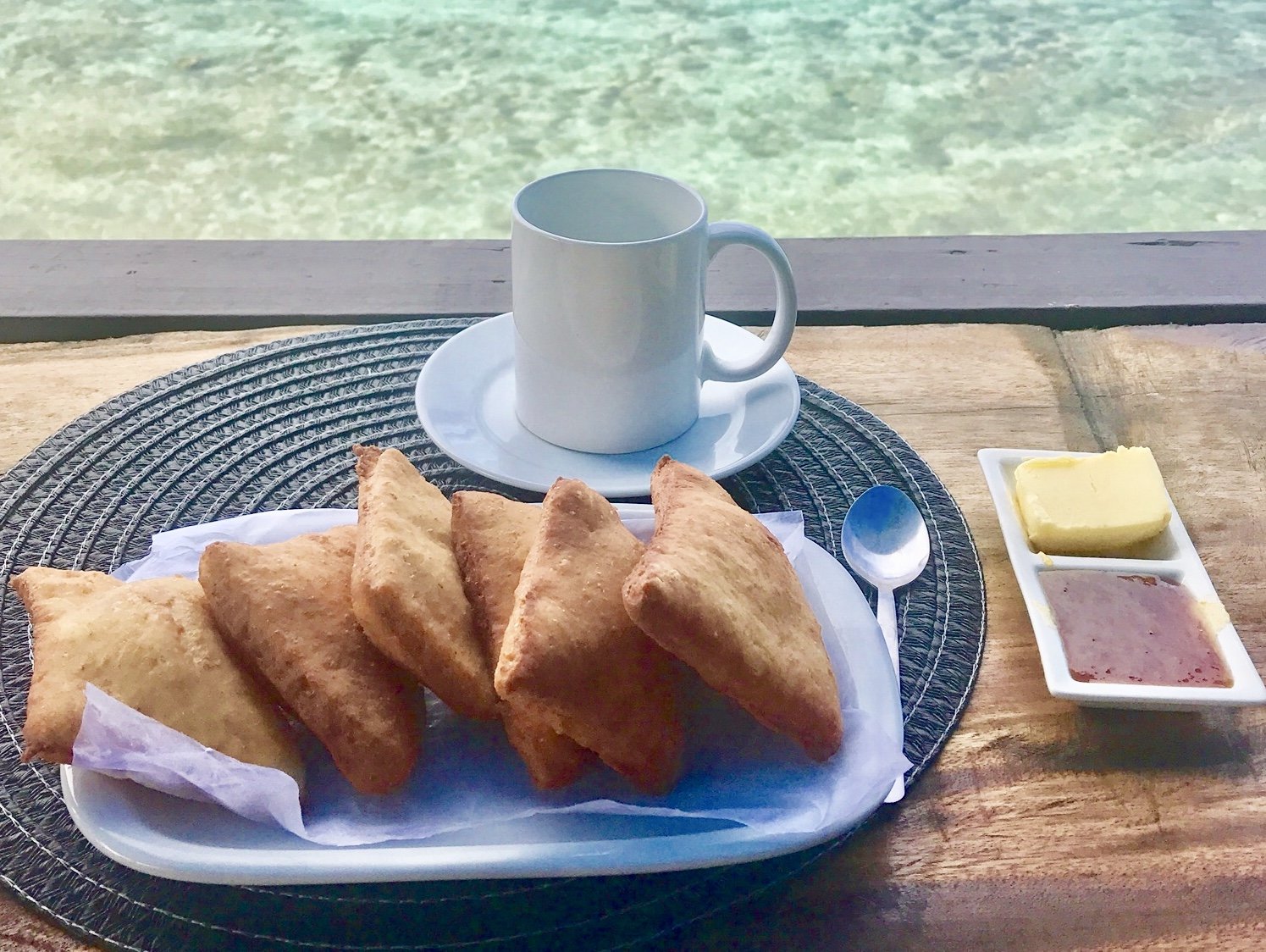
Babakau
Fijian Fried Dough
Snack, any time of day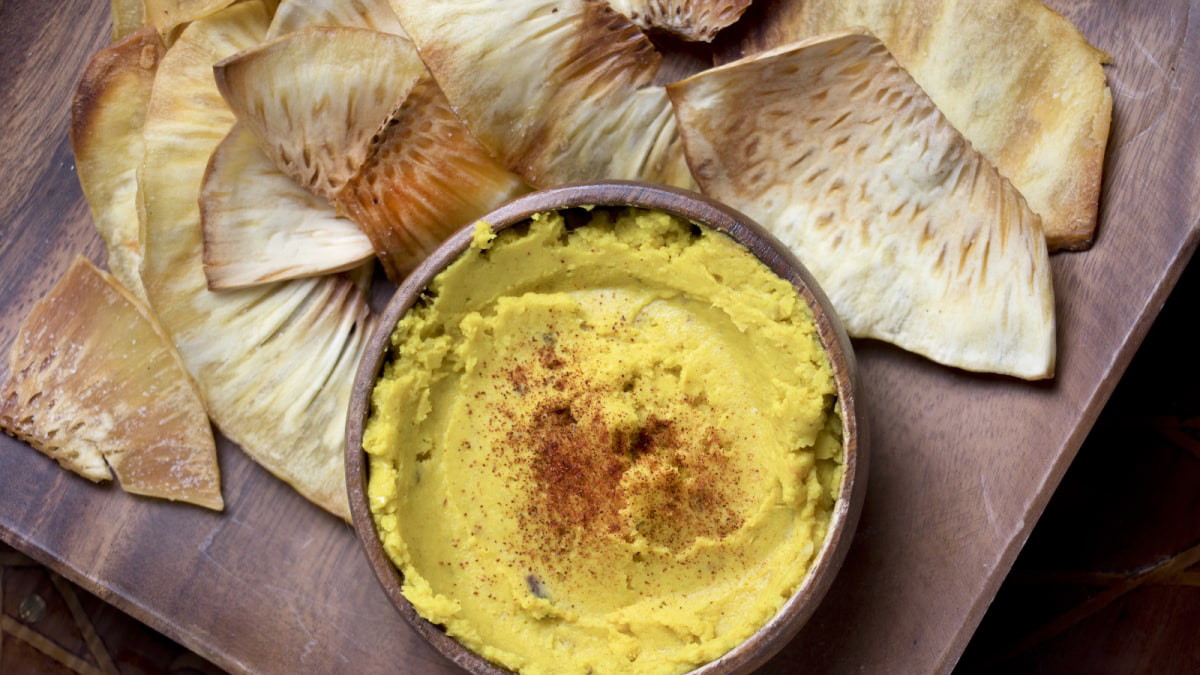 Easy
📜 Story
Easy
📜 Story
Breadfruit Chips
Fried Breadfruit Slices
Snack, anytime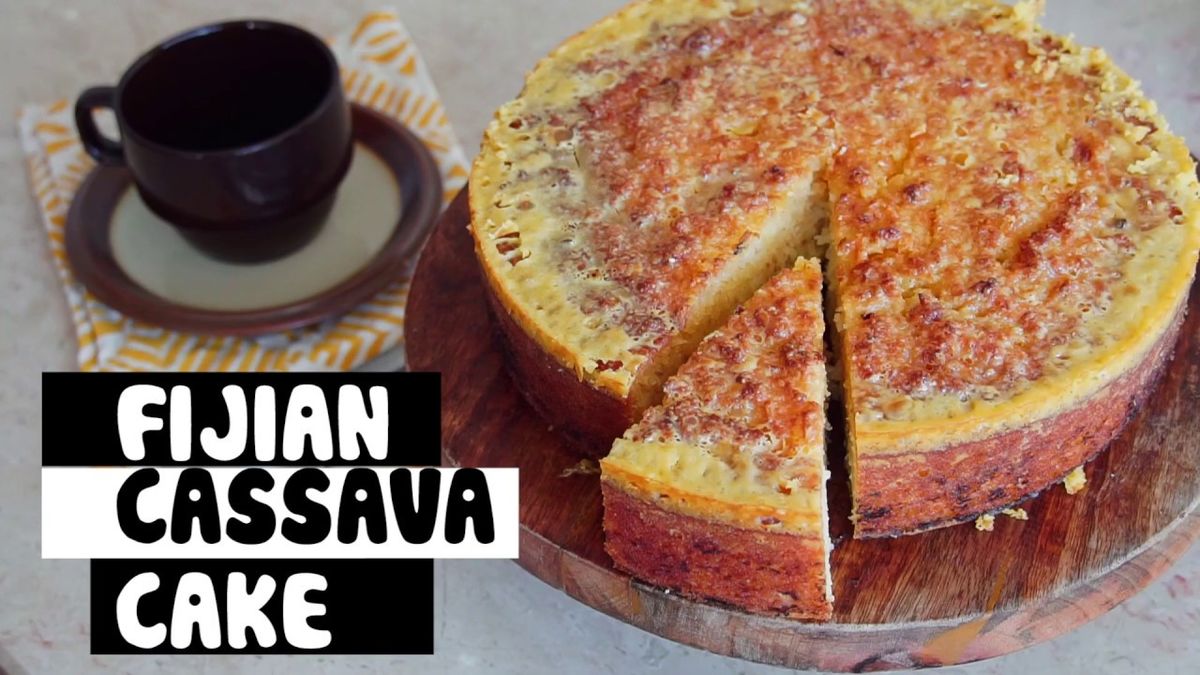 Easy
📜 Story
Easy
📜 Story
Cassava Cake
Fijian Tapioca Cake
Celebrations, church events, dessert Hard
📜 Story
Hard
📜 Story
Coconut Crab Curry
Fijian Coconut Crab Curry
Special occasions, festive meals
Comments (0)
Log in to leave a comment.
No comments yet. Be the first to share your thoughts!