
Flaky, buttery flatbread cooked on a hot griddle. An Indo-Fijian staple bread perfect for scooping up curries and dal.
Instructions
-
1
Mix flour and salt, then add water and oil to form a soft dough.
-
2
Knead for eight minutes until smooth and elastic.
-
3
Cover and rest for thirty minutes.
-
4
Divide into eight balls and roll each very thin on an oiled surface.
-
5
Fold each circle into thirds, then thirds again to create layers.
-
6
Roll out again into a circle.
-
7
Cook on a very hot griddle with butter until golden and flaky on both sides.
Did You Know?
The best roti makers in Fiji can roll and cook a roti in under sixty seconds, a skill that takes years to master.
The Story Behind Fijian Roti
Fijian roti is an adaptation of Indian roti paratha brought to Fiji by indentured laborers from the Indian subcontinent. Over five generations, the bread has become as Fijian as cassava, eaten by all ethnic communities and sold at every market and roadside stall.
On the Calendar: Roti is served at every Indo-Fijian meal and has become a regular feature of indigenous Fijian meals as well, particularly alongside curries.
Then & Now: The technique remains true to its Indian origins, but Fijian roti tends to be slightly thicker and more generous with oil, creating a richer, flakier bread.
Legacy: Roti in Fiji is a symbol of how deeply Indo-Fijian food traditions have been woven into the national culinary identity.
More Fijian Dishes
 Easy
📜 Story
Easy
📜 Story
Babakau
Fijian Fried Dough
Snack, any time of day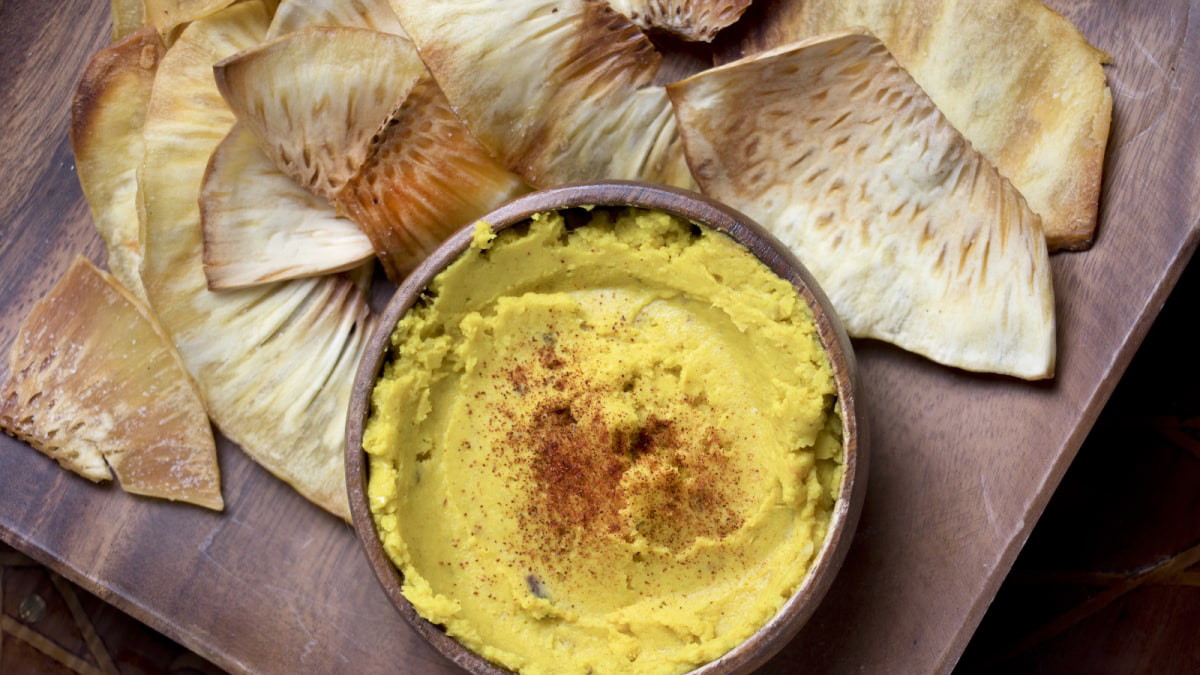 Easy
📜 Story
Easy
📜 Story
Breadfruit Chips
Fried Breadfruit Slices
Snack, anytime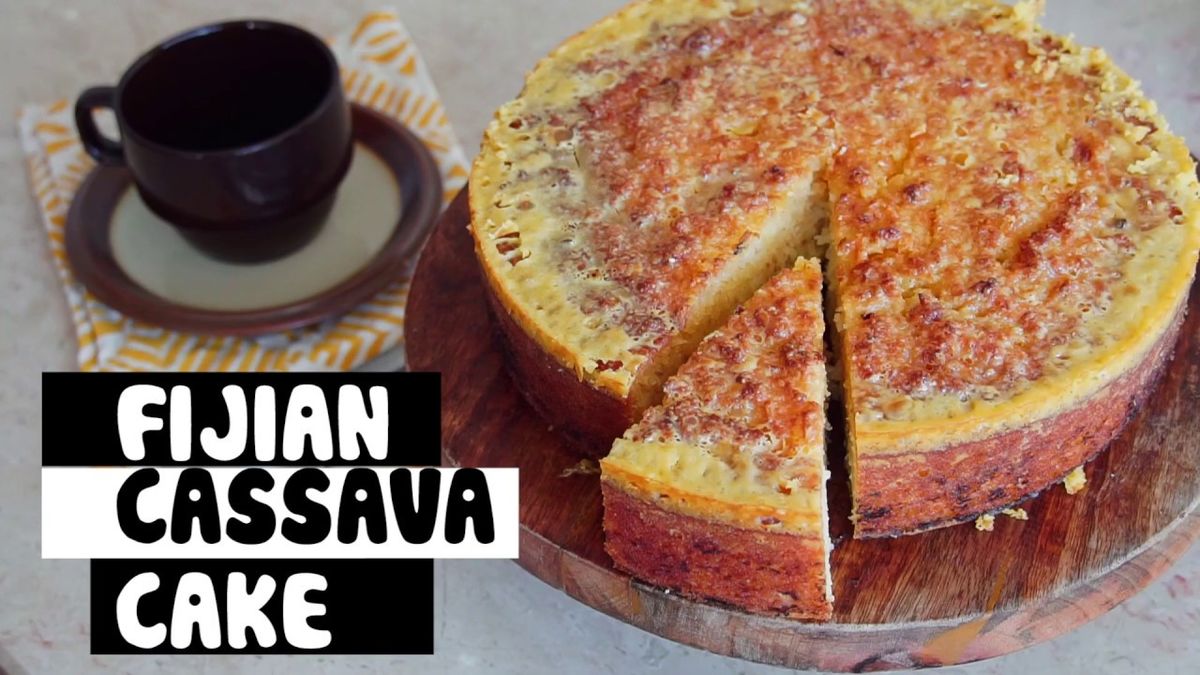 Easy
📜 Story
Easy
📜 Story
Cassava Cake
Fijian Tapioca Cake
Celebrations, church events, dessert Hard
📜 Story
Hard
📜 Story
Coconut Crab Curry
Fijian Coconut Crab Curry
Special occasions, festive meals
Comments (0)
Log in to leave a comment.
No comments yet. Be the first to share your thoughts!