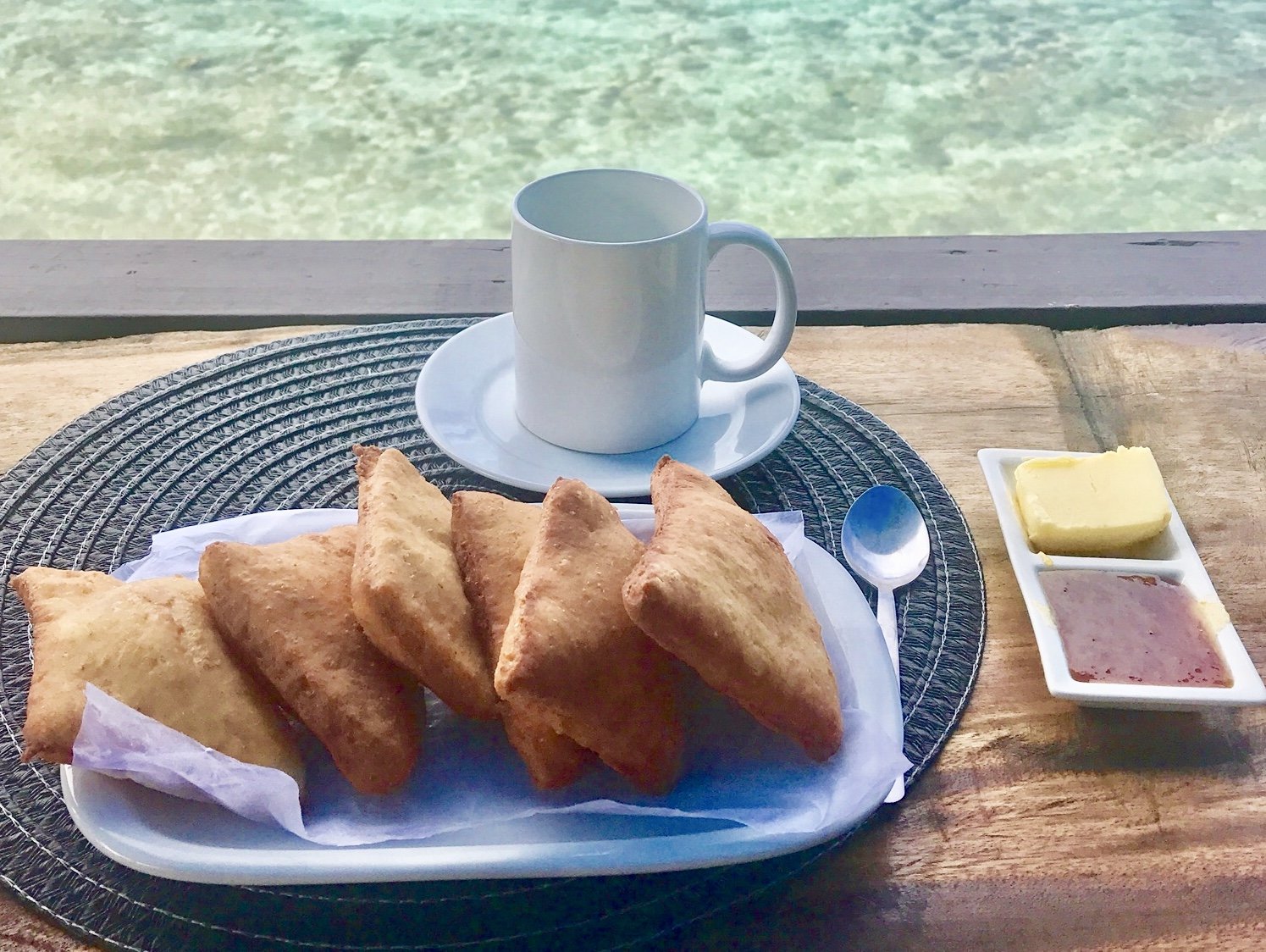
Pillowy triangles of fried dough, golden and crisp outside, soft inside. Fijian street food enjoyed as a snack or with curry.
Nutrition & Info
Allergen Warnings
Equipment Needed
Presentation Guide
Instructions
-
1
Mix flour, yeast, sugar, and salt in a large bowl.
-
2
Add warm water and melted butter, kneading into a smooth dough.
-
3
Cover and let the dough rise for one hour until doubled in size.
-
4
Punch down the dough and divide into small balls.
-
5
Roll each ball flat and cut into triangles.
-
6
Deep fry in hot oil at 180C until puffed and golden on both sides.
-
7
Drain on paper towels and serve warm.
Did You Know?
Babakau vendors are found at every Fijian market and bus stop, serving the golden triangles piping hot.
Chef's Notes
Equipment Tips
- deep fryer or deep pot
- rolling pin
- mixing bowl
Garnishing
powdered sugar optional
Accompaniments
curry sauce, chutney
The Story Behind Babakau
Babakau is Fiji's beloved fried bread, a legacy of European and Indian influences on Fijian cuisine. These triangular pieces of yeasted dough are deep-fried until golden and puffy, creating a versatile bread that can be eaten plain, with butter, or alongside curries and stews.
On the Calendar: Babakau is everyday street food, sold at markets, bus stations, and roadside stalls throughout Fiji. It is also made at home as an affordable filling snack.
Then & Now: While not an ancient Fijian food, babakau has been fully adopted into the national cuisine over generations and is now considered a quintessential Fijian snack.
Legacy: Babakau demonstrates how Fijian cuisine has absorbed influences from its multicultural population, creating foods that feel completely Fijian regardless of their origin.
More Fijian Dishes
 Easy
📜 Story
Easy
📜 Story
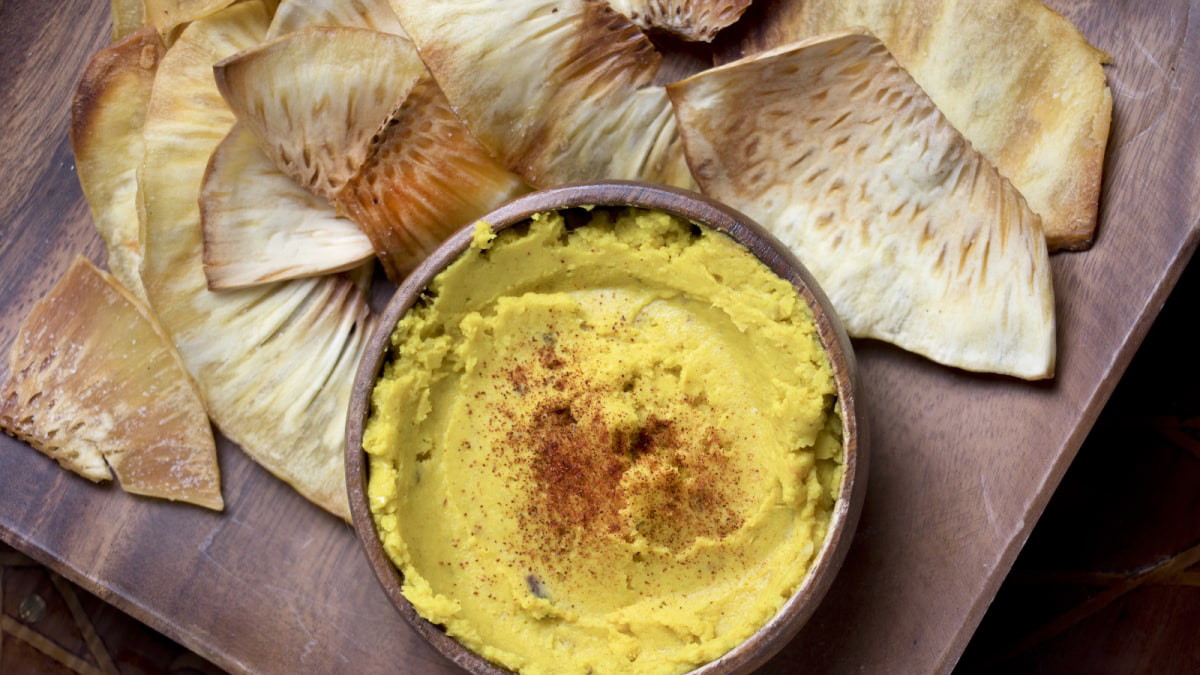
Breadfruit Chips
Fried Breadfruit Slices
Snack, anytime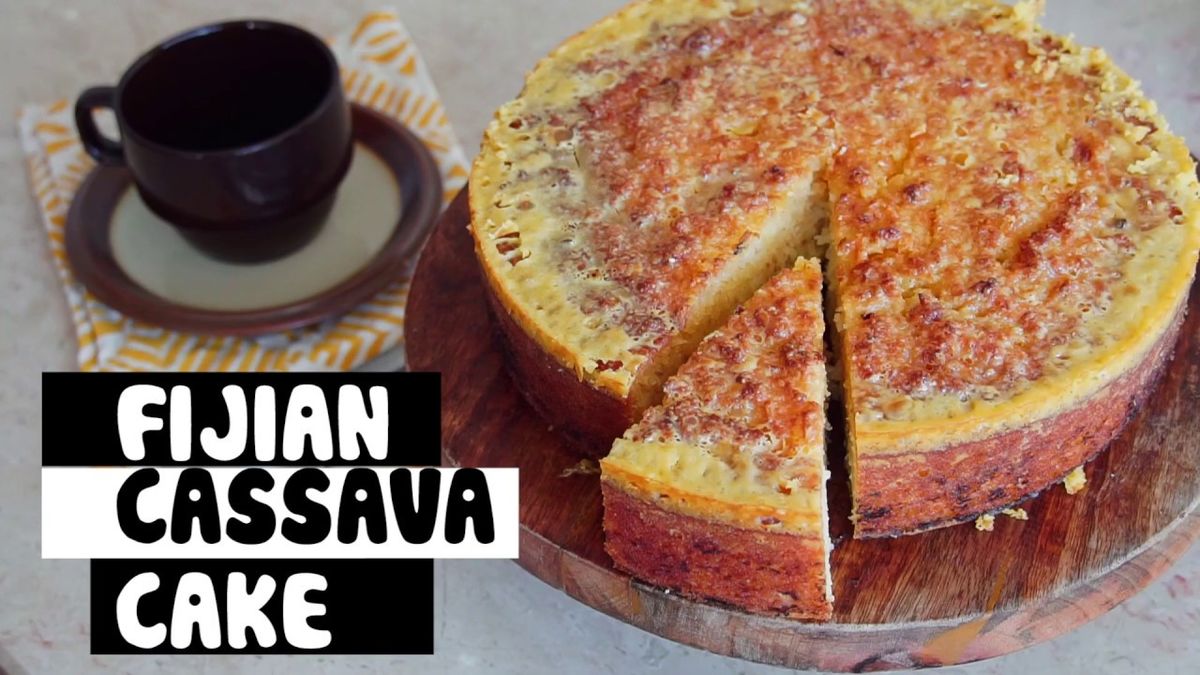 Easy
📜 Story
Easy
📜 Story
Cassava Cake
Fijian Tapioca Cake
Celebrations, church events, dessert Hard
📜 Story
Hard
📜 Story
Coconut Crab Curry
Fijian Coconut Crab Curry
Special occasions, festive meals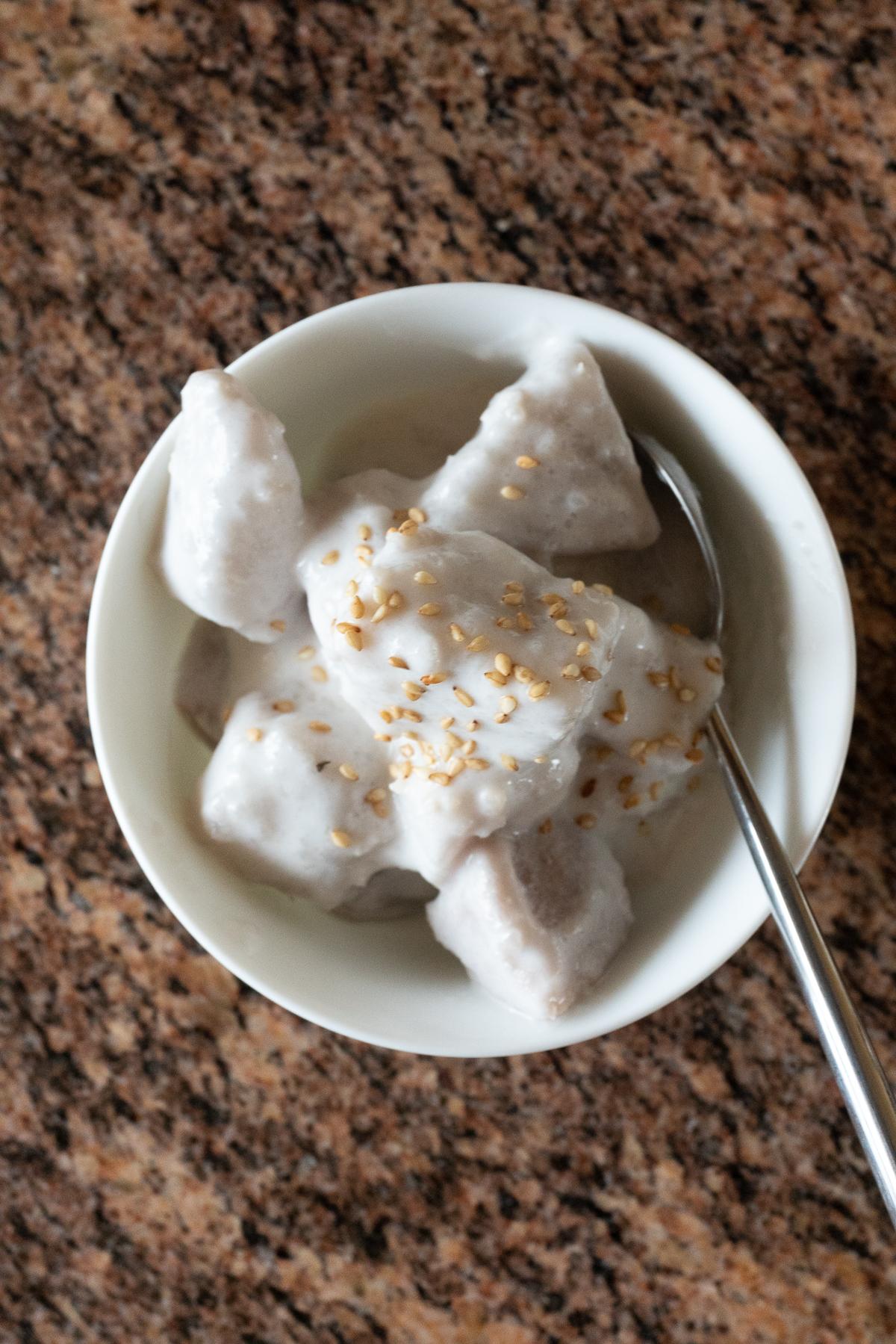 Medium
📜 Story
Medium
📜 Story
Dalo Ni Ika
Taro with Fish Stew
Daily meals, lunch, dinner
Comments (0)
Log in to leave a comment.
No comments yet. Be the first to share your thoughts!