
Beef cut into thin strips and air-dried with salt and spices, creating a chewy, intensely flavored preserved meat snack similar to biltong.
Nutrition & Info
Equipment Needed
Presentation Guide
Vessel: wooden board or basket
Garnishes: none
Accompaniments: eaten as a standalone snack
Instructions
-
1
Cut beef along the grain into strips about one centimeter thick and fifteen centimeters long for even drying.
-
2
Mix salt, coriander, and black pepper in a bowl. Sprinkle vinegar over the meat strips and toss to coat lightly.
-
3
Rub the spice mixture generously into each strip of meat, ensuring all surfaces are well coated.
-
4
Hang the strips on hooks or a drying rack in a cool, well-ventilated area away from direct sunlight and insects.
-
5
Allow to dry for three to five days depending on humidity and thickness. The meat is ready when firm but still slightly pliable.
Did You Know?
Swazi herders traditionally carried umkhunsu on long cattle drives as a lightweight, high-energy food that needed no cooking or refrigeration.
Chef's Notes
Equipment Tips
- sharp knife
- drying rack or hooks
- bowl
Garnishing
none
Accompaniments
eaten as a standalone snack
The Story Behind Umkhunsu
Umkhunsu is Eswatini's version of the southern African dried meat tradition, developed by cattle-herding communities who needed to preserve beef without refrigeration. The technique of salt-curing and air-drying meat dates back centuries and was essential for survival during long journeys and dry seasons when fresh meat was unavailable. The Swazi method shares roots with South African biltong but maintains its own distinct character through specific spice blends and cutting techniques passed down within families.
More Eswatini Dishes
 Easy
📜 Story
Easy
📜 Story
Buganu
Marula Fruit Drink
Marula season ceremony in February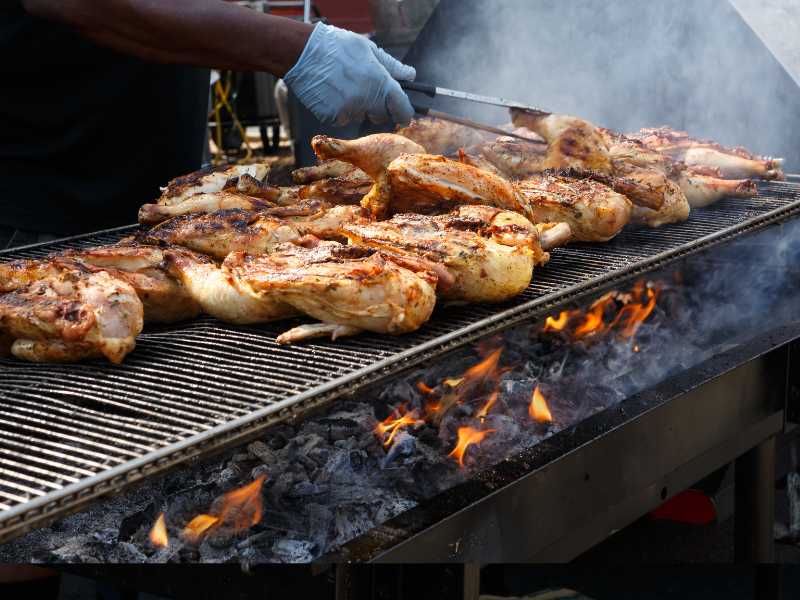 Medium
📜 Story
Medium
📜 Story
Chicken Dust
Grilled Roadside Chicken
Lunch or evening street food Medium
📜 Story
Medium
📜 Story
Emakhowe
Wild Mushroom Stew
Rainy season when mushrooms are available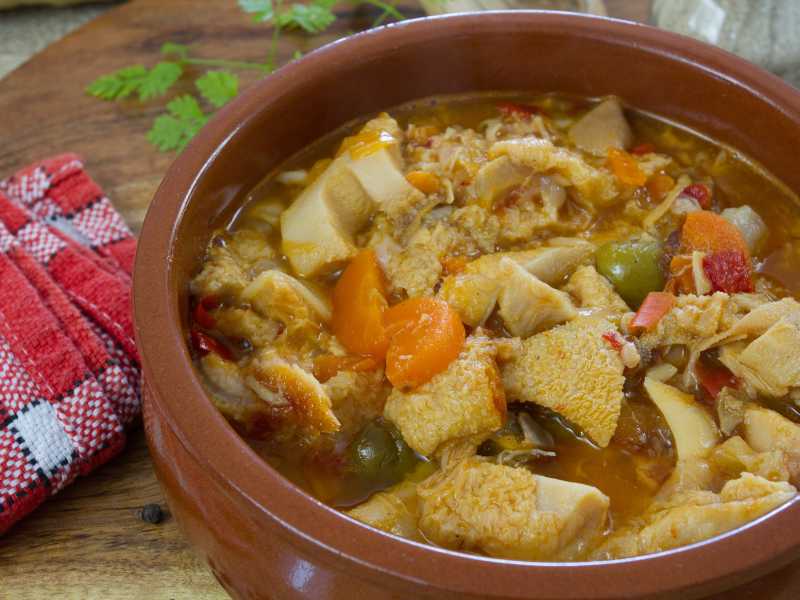 Medium
📜 Story
Medium
📜 Story
Emancotsho
Chicken Feet Stew
Lunch or street food snack
Comments (0)
Log in to leave a comment.
No comments yet. Be the first to share your thoughts!