
Tjwala Besiswati
Tjwala Besiswati (TJWAH-lah beh-see-SWAH-tee)
Traditional Swazi Beer
A mildly alcoholic, thick, tangy brew made from fermented sorghum and maize, traditionally served at ceremonies and communal gatherings in a shared calabash.
Nutrition & Info
Equipment Needed
Presentation Guide
Vessel: calabash gourd
Garnishes: none
Accompaniments: served communally at gatherings
Instructions
-
1
Mix sorghum malt with warm water in a large clay pot. Stir thoroughly and cover with a cloth.
-
2
Allow the mixture to ferment in a warm place for two days, stirring once daily. Bubbles will begin to form on the surface.
-
3
On the third day, cook maize meal into a thin porridge. Let it cool to lukewarm, then add to the fermenting sorghum.
-
4
Cover and allow to ferment for two more days. The mixture will become increasingly sour and slightly fizzy.
-
5
Strain through a coarse cloth to remove grain residue. The resulting beer should be thick, cloudy, and mildly sour.
Did You Know?
At the annual Incwala ceremony, the king drinks tjwala first before anyone else may partake, symbolizing his role as the spiritual leader of the nation.
Chef's Notes
Equipment Tips
- large clay pot
- calabash
- strainer
- fermentation vessel
Garnishing
none
Accompaniments
served communally at gatherings
The Story Behind Tjwala Besiswati
Tjwala besiswati is far more than a beverage in Eswatini; it is a spiritual and social institution. The brewing of traditional beer is governed by customs that date back centuries, with specific protocols for who may brew, when, and for what purpose. At royal ceremonies like Incwala and Umhlanga, tjwala is shared communally from calabash gourds, reinforcing social bonds and hierarchies. The thick, nutritious brew also served as a caloric supplement for laborers working the fields.
More Eswatini Dishes
 Easy
📜 Story
Easy
📜 Story
Buganu
Marula Fruit Drink
Marula season ceremony in February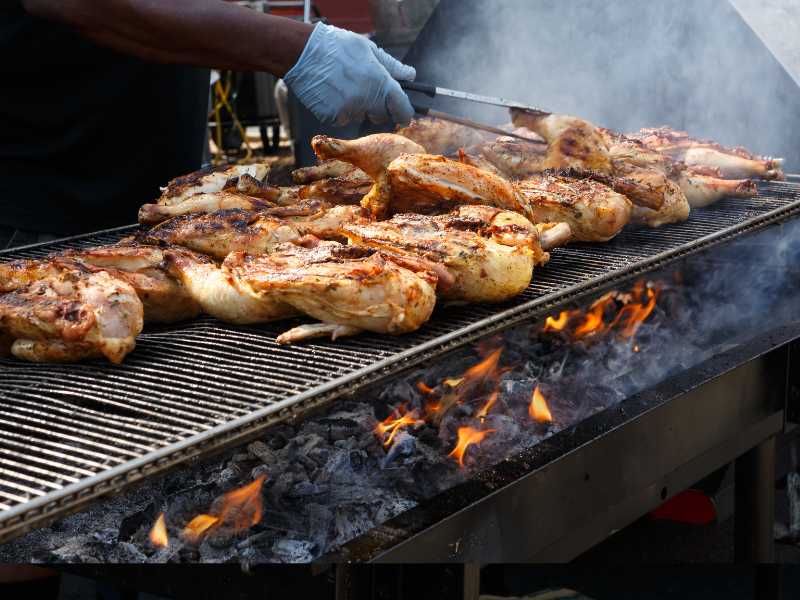 Medium
📜 Story
Medium
📜 Story
Chicken Dust
Grilled Roadside Chicken
Lunch or evening street food Medium
📜 Story
Medium
📜 Story
Emakhowe
Wild Mushroom Stew
Rainy season when mushrooms are available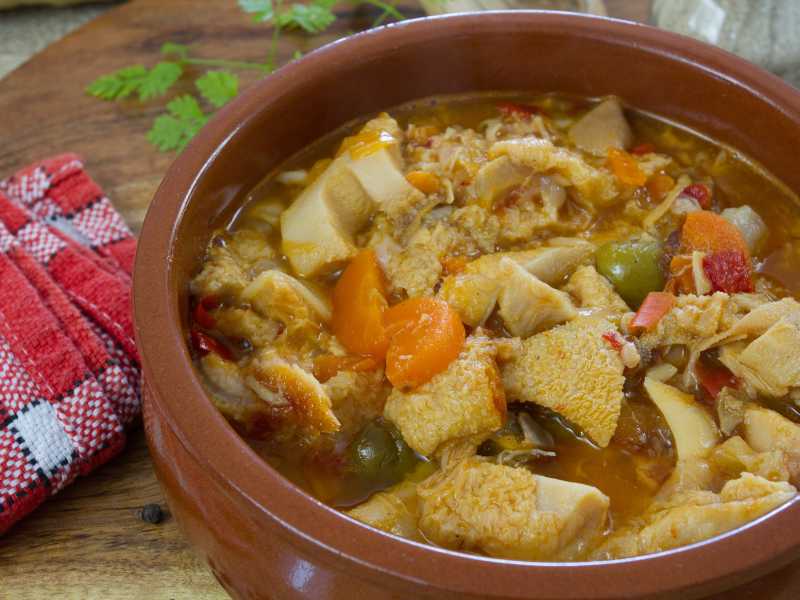 Medium
📜 Story
Medium
📜 Story
Emancotsho
Chicken Feet Stew
Lunch or street food snack
Comments (0)
Log in to leave a comment.
No comments yet. Be the first to share your thoughts!