
Sitfubi Semabhontjisi
Sitfubi Semabhontjisi (see-TFOO-bee seh-mah-bhon-TJEE-see)
Bean Stew
Slow-cooked dried beans in a savory tomato and onion sauce, a protein-rich staple that is a cornerstone of everyday Swazi home cooking.
Instructions
-
1
Soak beans overnight in plenty of cold water. Drain and rinse thoroughly before cooking.
-
2
Place beans in a large pot with fresh water. Bring to a boil, then reduce heat and simmer for one hour until tender.
-
3
In a separate pan, heat oil and sauté onion and garlic until golden. Add tomatoes and curry powder and cook until saucy.
-
4
Add the tomato and onion mixture to the cooked beans. Stir well and simmer together for fifteen minutes.
-
5
Season generously with salt and pepper. The stew should be thick and rich, with beans soft but holding their shape.
Did You Know?
Bean stew is so common in Swazi schools that many children grow up calling it simply "lunch" rather than by its siSwati name.
The Story Behind Sitfubi Semabhontjisi
Sitfubi semabhontjisi is the everyday protein source for millions of Swazi people, particularly in rural areas where meat may be reserved for special occasions. Beans arrived in southern Africa through Portuguese traders and were quickly adopted into existing cooking traditions. The dish became central to school feeding programs and community meals, providing affordable nutrition to families across income levels. Its simplicity belies its importance as a nutritional cornerstone of the Swazi diet.
More Eswatini Dishes
 Easy
📜 Story
Easy
📜 Story
Buganu
Marula Fruit Drink
Marula season ceremony in February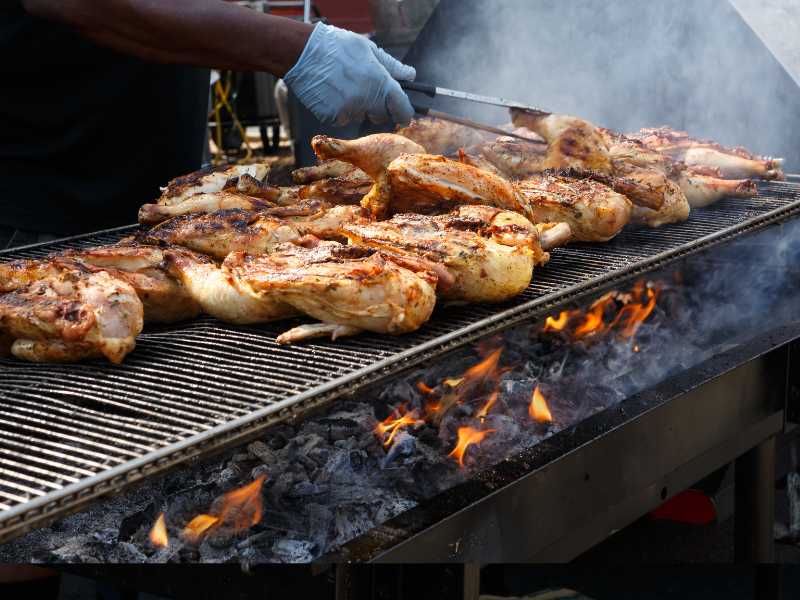 Medium
📜 Story
Medium
📜 Story
Chicken Dust
Grilled Roadside Chicken
Lunch or evening street food Medium
📜 Story
Medium
📜 Story
Emakhowe
Wild Mushroom Stew
Rainy season when mushrooms are available Medium
📜 Story
Medium
📜 Story
Emancotsho
Chicken Feet Stew
Lunch or street food snack
Comments (0)
Log in to leave a comment.
No comments yet. Be the first to share your thoughts!