The national staple of Eswatini, a very thick and stiff maize porridge cooked until firm enough to be eaten by hand, served alongside stews and relishes.
Nutrition & Info
Equipment Needed
Presentation Guide
Vessel: large communal plate
Garnishes: none
Accompaniments: meat stew, vegetable relish, sour milk
Instructions
-
1
Bring water to a boil in a large heavy-bottomed pot. Add salt and reduce heat to medium.
-
2
Slowly sprinkle in one cup of maize meal while stirring constantly to prevent lumps from forming.
-
3
Continue adding maize meal gradually, stirring vigorously. The mixture will become increasingly thick and difficult to stir.
-
4
Keep cooking and stirring for twenty minutes. The porridge should pull away from the sides of the pot cleanly.
-
5
The sishwala is ready when a wooden spoon stands upright in it. Serve on a communal plate with stew spooned around it.
Did You Know?
In Swazi tradition, the ability to cook perfect sishwala is considered an essential skill for any young woman preparing for marriage.
Chef's Notes
Equipment Tips
- large heavy pot
- strong wooden spoon
Garnishing
none
Accompaniments
meat stew, vegetable relish, sour milk
The Story Behind Sishwala
Sishwala is the undisputed foundation of Eswatini's food culture, equivalent in importance to rice in Asia or bread in Europe. Every meal in a traditional Swazi homestead revolves around this thick maize porridge, which provides the caloric base that sustains hardworking agricultural families. The technique of cooking it to the perfect stiff consistency requires strength and practice, and it is traditionally prepared by women using a large wooden stirring stick in an iron pot over an open fire.
More Eswatini Dishes
 Easy
📜 Story
Easy
📜 Story
Buganu
Marula Fruit Drink
Marula season ceremony in February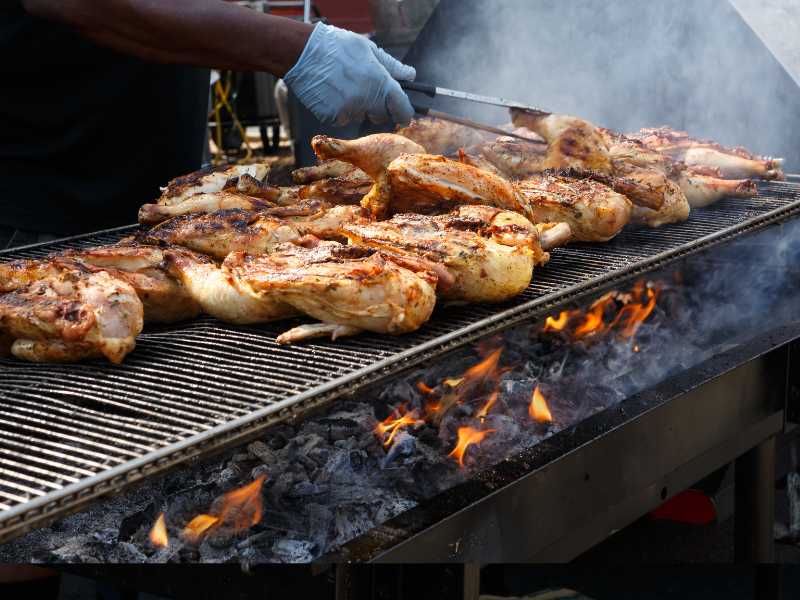 Medium
📜 Story
Medium
📜 Story
Chicken Dust
Grilled Roadside Chicken
Lunch or evening street food Medium
📜 Story
Medium
📜 Story
Emakhowe
Wild Mushroom Stew
Rainy season when mushrooms are available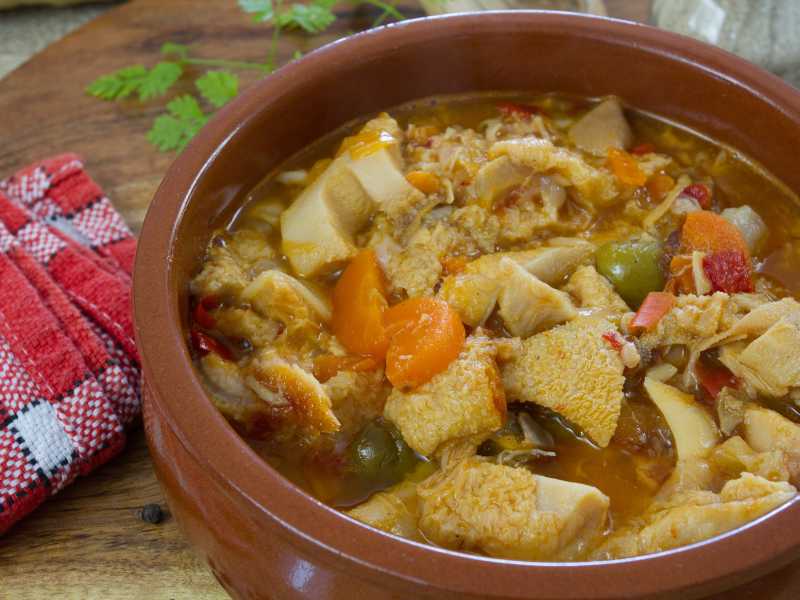 Medium
📜 Story
Medium
📜 Story
Emancotsho
Chicken Feet Stew
Lunch or street food snack
Comments (0)
Log in to leave a comment.
No comments yet. Be the first to share your thoughts!