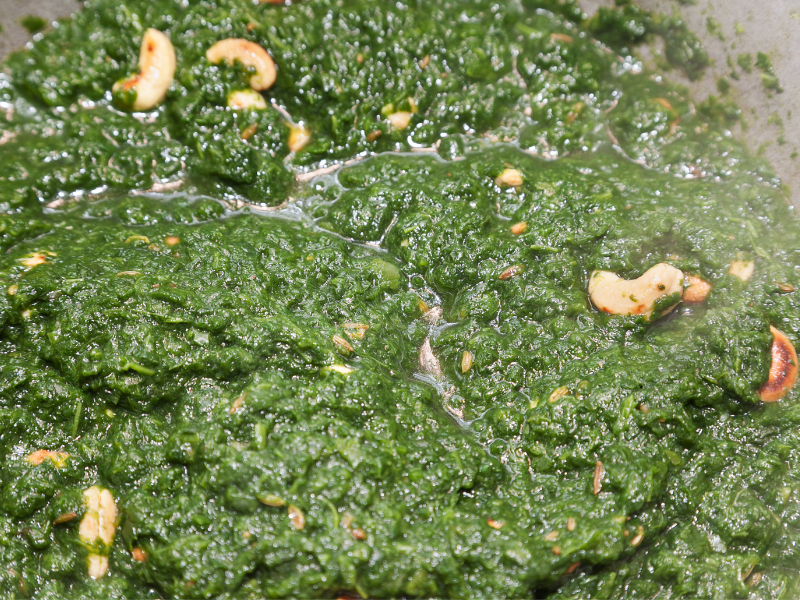
Siphuphe Setindlubu
Siphuphe Setindlubu (see-PHOO-peh seh-tin-DLOO-boo)
Groundnut Porridge
A creamy and protein-rich porridge made by cooking maize meal with crushed roasted groundnuts, creating a nutty, filling dish beloved by children and adults alike.
Nutrition & Info
Allergen Warnings
Equipment Needed
Presentation Guide
Instructions
-
1
Roast groundnuts in a dry pan until golden and fragrant. Allow to cool slightly, then crush to a fine powder using a mortar and pestle.
-
2
Bring five cups of water to a boil in a large pot. Reduce heat to medium.
-
3
Mix maize meal with the crushed groundnuts. Slowly sprinkle the mixture into boiling water while stirring constantly.
-
4
Cook for twenty minutes on low heat, stirring regularly to prevent sticking and ensure a smooth, creamy texture throughout.
-
5
The porridge is done when thick and creamy with a rich nutty aroma. Add salt and sugar if desired before serving hot.
Did You Know?
Groundnut porridge is often the first solid food given to Swazi babies after weaning, valued for its high protein content and smooth texture.
Chef's Notes
Equipment Tips
- pot
- wooden spoon
- mortar and pestle
Garnishing
crushed groundnuts
Accompaniments
sour milk, honey
The Story Behind Siphuphe Setindlubu
Siphuphe setindlubu represents the nutritional wisdom of Swazi cooking, combining two staple crops to create a complete protein source. Groundnuts arrived in southern Africa via Portuguese trade routes and quickly became integrated into existing maize-based dishes. This porridge became especially important as a weaning food and a nourishing meal for the elderly, demonstrating how traditional cuisines naturally evolved to meet the nutritional needs of vulnerable community members.
More Eswatini Dishes
 Easy
📜 Story
Easy
📜 Story
Buganu
Marula Fruit Drink
Marula season ceremony in February Medium
📜 Story
Medium
📜 Story
Chicken Dust
Grilled Roadside Chicken
Lunch or evening street food Medium
📜 Story
Medium
📜 Story
Emakhowe
Wild Mushroom Stew
Rainy season when mushrooms are available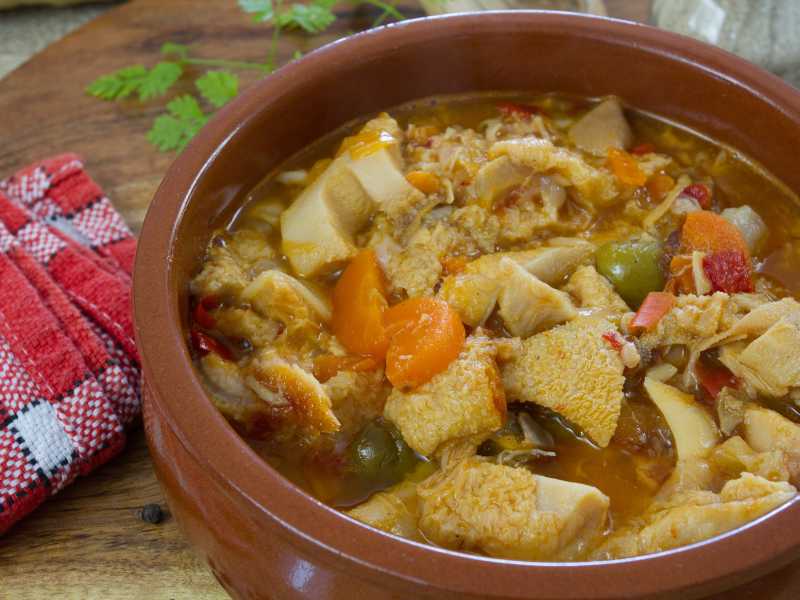 Medium
📜 Story
Medium
📜 Story
Emancotsho
Chicken Feet Stew
Lunch or street food snack
Comments (0)
Log in to leave a comment.
No comments yet. Be the first to share your thoughts!