Inyama Yenkhukhu
Inyama Yenkhukhu (ee-NYAH-mah yen-KOO-koo)
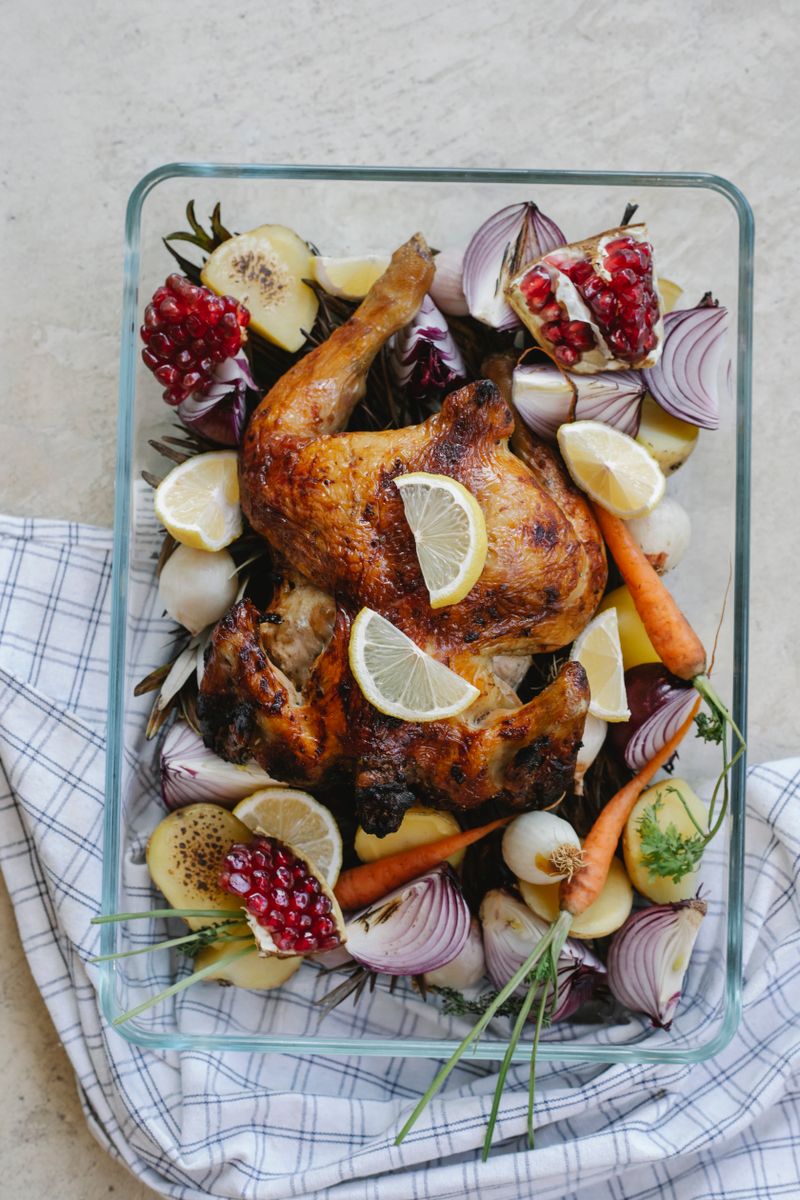
Traditional Swazi Chicken
Free-range chicken pieces slow-cooked in a rich tomato and onion sauce with curry spices, the standard celebratory chicken dish served at Swazi gatherings.
Instructions
-
1
Season chicken pieces generously with curry powder, paprika, turmeric, garlic, salt, and pepper. Rest for thirty minutes.
-
2
Heat oil in a large pot over high heat. Sear chicken pieces until golden brown on all sides, working in batches.
-
3
Add onions to the pot and cook until softened and beginning to caramelize. Add tomatoes and stir.
-
4
Return all chicken to the pot, add water, and bring to a boil. Reduce heat to low and cover tightly.
-
5
Simmer for forty-five minutes until chicken is very tender and the sauce has reduced to a thick, rich consistency.
Did You Know?
In Swazi tradition, serving a whole chicken to guests is a sign of great honor, and the guest of honor receives the breast piece.
The Story Behind Inyama Yenkhukhu
Inyama yenkhukhu holds special status in Swazi cuisine as the dish that marks an occasion as significant. While beef is the ultimate celebratory meat, chicken is more accessible and is prepared when honoring guests, celebrating milestones, or marking holidays. The use of curry powder, introduced through Indian trading communities in southern Africa, has become so integrated that most Swazi cooks consider it a traditional ingredient. The dish represents the warm hospitality central to Swazi culture.
More Eswatini Dishes
 Easy
📜 Story
Easy
📜 Story
Buganu
Marula Fruit Drink
Marula season ceremony in February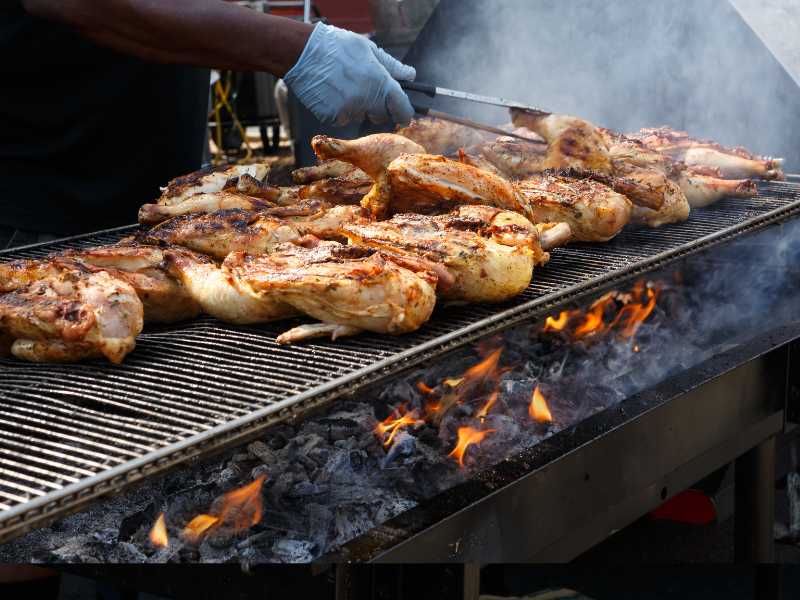 Medium
📜 Story
Medium
📜 Story
Chicken Dust
Grilled Roadside Chicken
Lunch or evening street food Medium
📜 Story
Medium
📜 Story
Emakhowe
Wild Mushroom Stew
Rainy season when mushrooms are available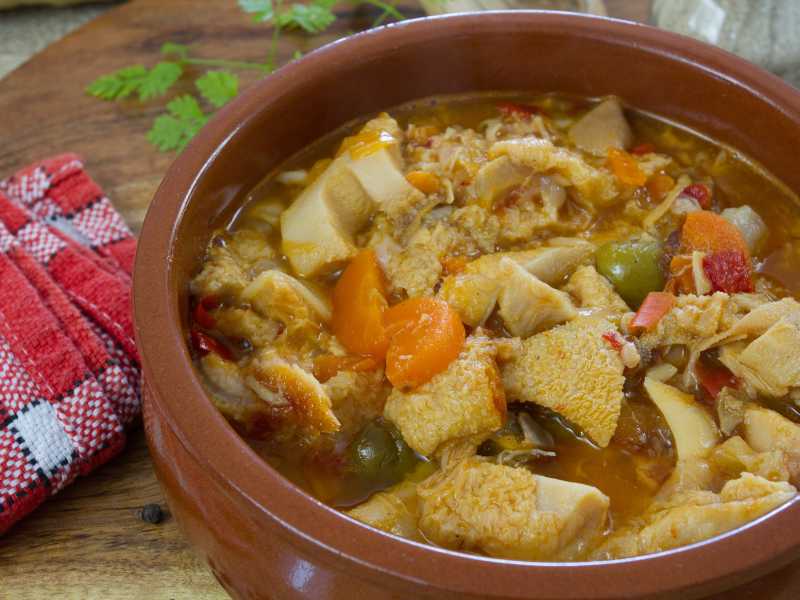 Medium
📜 Story
Medium
📜 Story
Emancotsho
Chicken Feet Stew
Lunch or street food snack
Comments (0)
Log in to leave a comment.
No comments yet. Be the first to share your thoughts!