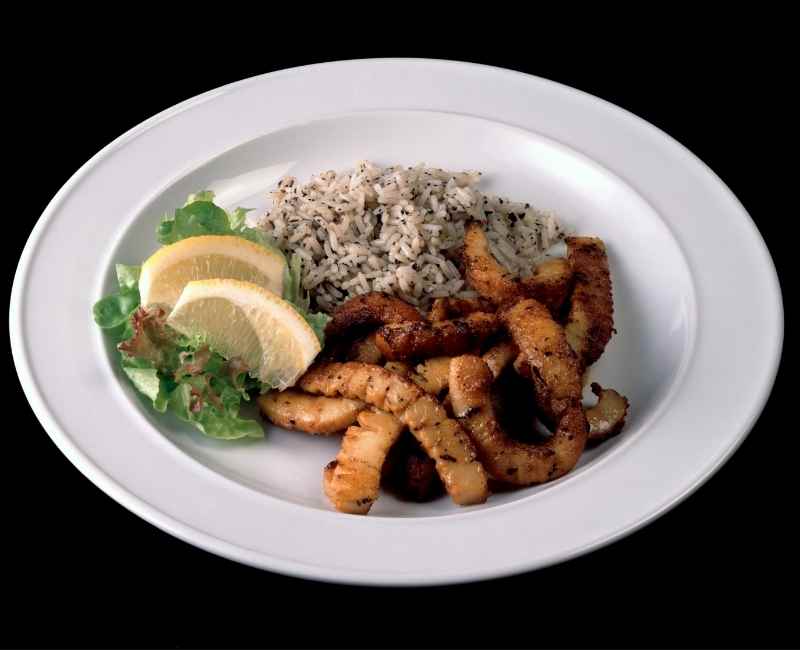
Inhloko Yenkhomo
Inhloko Yenkhomo (in-HLOH-koh yen-KOH-moh)
Stewed Cow Head
A traditional delicacy of beef head meat slow-cooked until meltingly tender, served in a rich broth with vegetables at special occasions and ceremonies.
Instructions
-
1
Clean the beef head thoroughly, removing any hair by singeing over a flame. Wash several times with salted water.
-
2
Place the cleaned head in a very large pot and cover completely with cold water. Bring to a boil over high heat.
-
3
Skim off any foam that rises to the surface. Add bay leaves, garlic, salt, and pepper. Reduce heat to a gentle simmer.
-
4
Cook for three hours, checking water level periodically and adding more as needed. The meat should begin to fall from the bone.
-
5
Add potatoes, carrots, and onions in the last forty-five minutes of cooking. Simmer until vegetables are tender.
-
6
Serve the tender meat and vegetables in deep bowls with plenty of the rich, gelatinous cooking broth ladled over.
Did You Know?
At traditional Swazi weddings, the cow head is reserved for the groom's family elders, and its presentation carries deep symbolic meaning about respect and family bonds.
The Story Behind Inhloko Yenkhomo
Inhloko yenkhomo is one of the most significant ceremonial foods in Swazi culture, reserved for events of great importance such as weddings, funerals, and royal celebrations. The preparation of a whole cow head is a communal effort that brings families together, with the long cooking time creating a social occasion in itself. The nose-to-tail eating philosophy embedded in this dish reflects the Swazi value of wasting nothing from a slaughtered animal, and different parts of the head are allocated according to age and status.
More Eswatini Dishes
 Easy
📜 Story
Easy
📜 Story
Buganu
Marula Fruit Drink
Marula season ceremony in February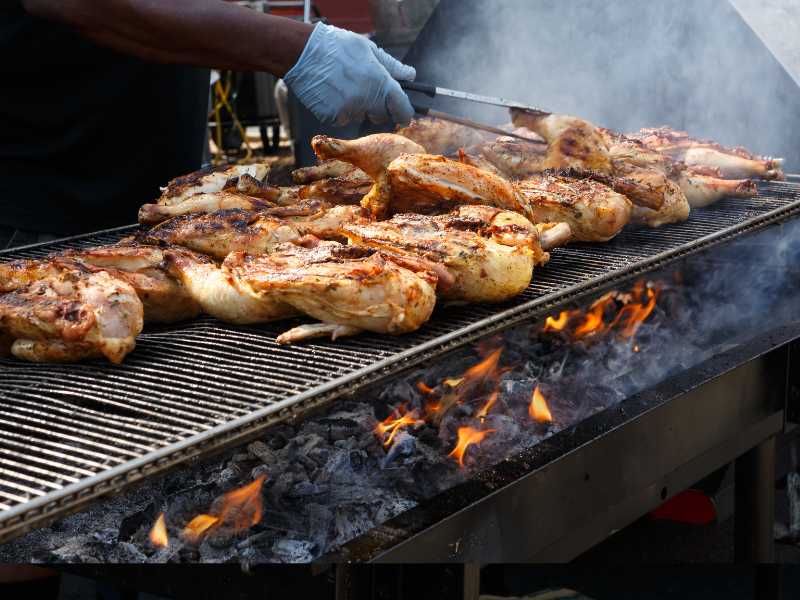 Medium
📜 Story
Medium
📜 Story
Chicken Dust
Grilled Roadside Chicken
Lunch or evening street food Medium
📜 Story
Medium
📜 Story
Emakhowe
Wild Mushroom Stew
Rainy season when mushrooms are available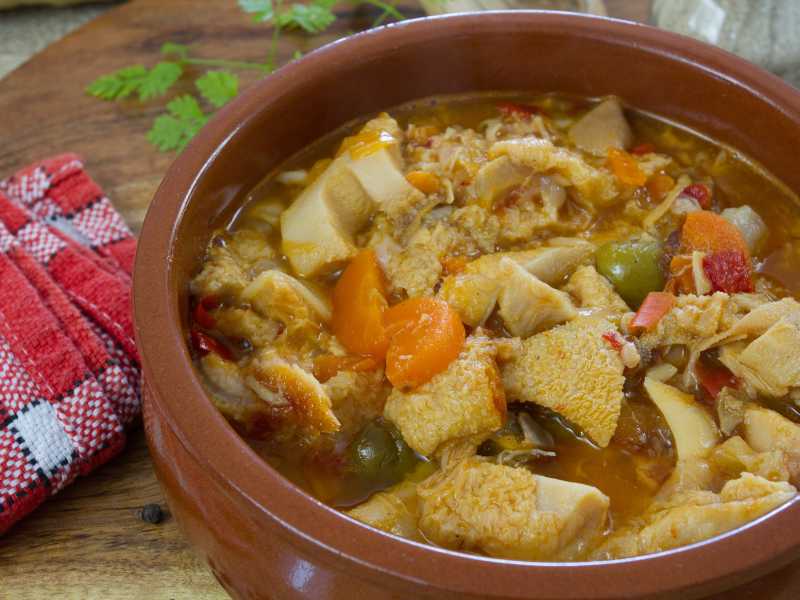 Medium
📜 Story
Medium
📜 Story
Emancotsho
Chicken Feet Stew
Lunch or street food snack
Comments (0)
Log in to leave a comment.
No comments yet. Be the first to share your thoughts!