
A distinctively sour maize porridge fermented for two to three days, giving it a sharp tangy flavor prized as a refreshing accompaniment to rich stews.
Nutrition & Info
Equipment Needed
Presentation Guide
Vessel: deep clay bowl
Garnishes: none
Accompaniments: meat stew, vegetables
Instructions
-
1
Mix maize meal with warm water in a clean clay jar or food-safe bucket. Cover with a cloth and leave in a warm spot.
-
2
Allow the mixture to ferment for two to three days, stirring once daily. It will develop a distinctly sour aroma.
-
3
Bring four cups of water to a rolling boil in a large pot. Slowly add the fermented maize mixture while stirring vigorously.
-
4
Cook on medium heat for fifteen minutes, stirring constantly to prevent sticking. The porridge will thicken considerably.
-
5
Season with salt and serve hot alongside meat stews or vegetable dishes. The sourness balances rich, heavy flavors perfectly.
Did You Know?
The degree of sourness in incwancwa is a matter of family pride, with some families maintaining fermentation starters passed down through generations.
Chef's Notes
Equipment Tips
- large pot
- clay jar or bucket
- wooden spoon
Garnishing
none
Accompaniments
meat stew, vegetables
The Story Behind Incwancwa
Incwancwa is a cornerstone of Swazi cuisine, with its fermentation technique representing one of the oldest food preservation methods in southern Africa. The controlled souring of maize was developed long before refrigeration, serving both to preserve food and to create a complex flavor profile. In traditional Swazi homesteads, a batch of incwancwa was always fermenting, creating a continuous supply of this essential accompaniment to daily meals.
More Eswatini Dishes
 Easy
📜 Story
Easy
📜 Story
Buganu
Marula Fruit Drink
Marula season ceremony in February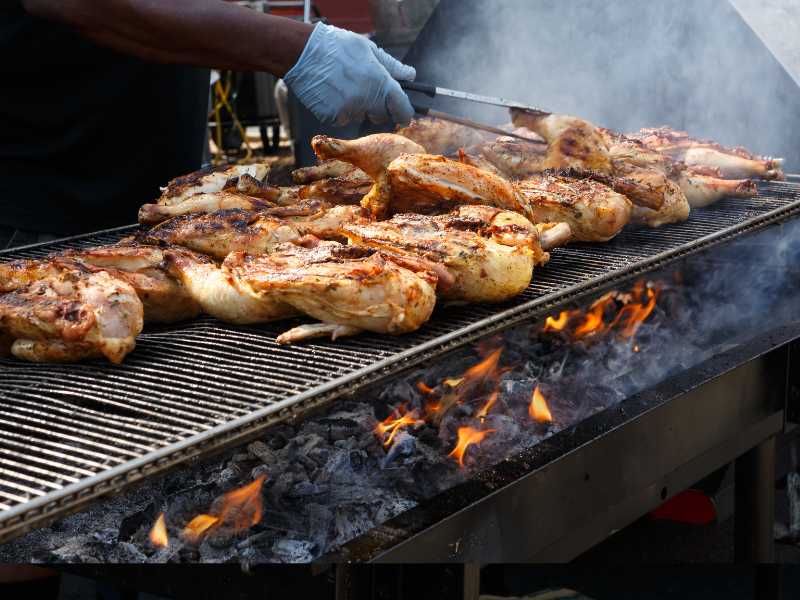 Medium
📜 Story
Medium
📜 Story
Chicken Dust
Grilled Roadside Chicken
Lunch or evening street food Medium
📜 Story
Medium
📜 Story
Emakhowe
Wild Mushroom Stew
Rainy season when mushrooms are available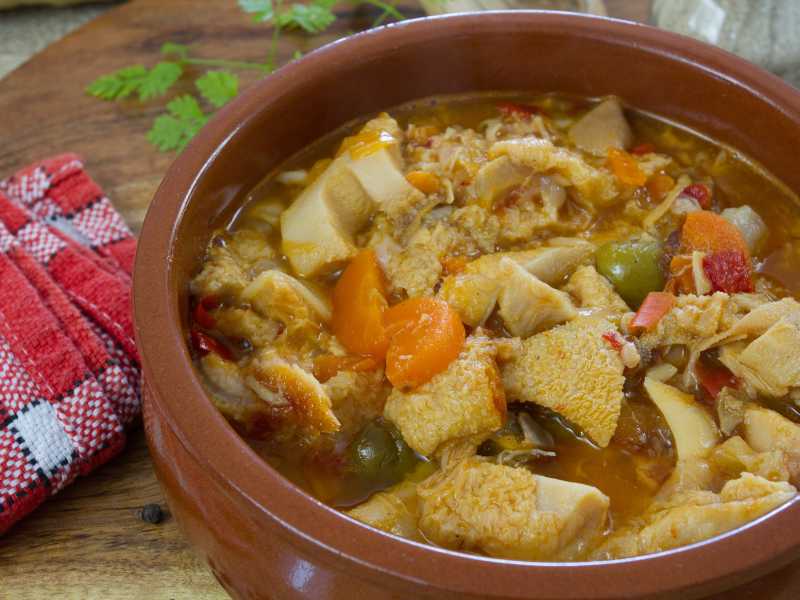 Medium
📜 Story
Medium
📜 Story
Emancotsho
Chicken Feet Stew
Lunch or street food snack
Comments (0)
Log in to leave a comment.
No comments yet. Be the first to share your thoughts!