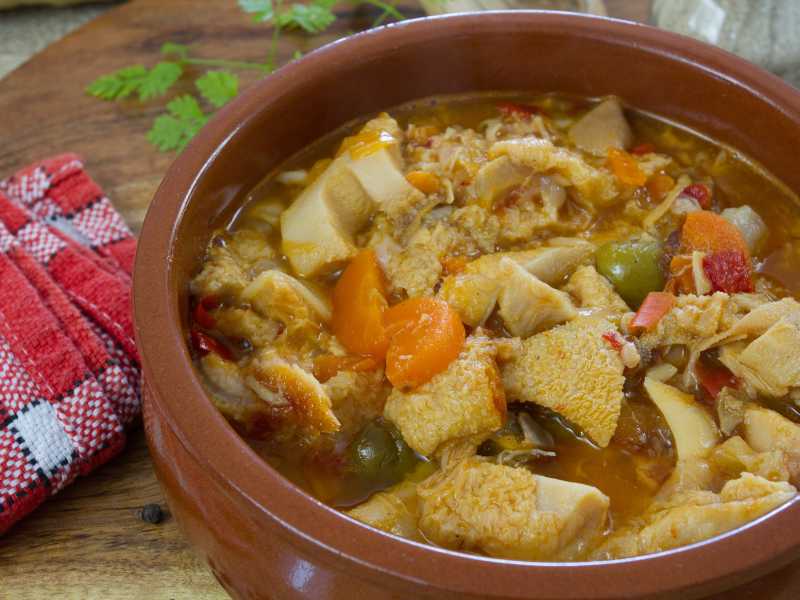
Chicken feet cleaned and slow-cooked in a spicy tomato sauce until gelatinous and tender, a popular and affordable delicacy in Eswatini street food culture.
Nutrition & Info
Equipment Needed
Presentation Guide
Instructions
-
1
Clean chicken feet thoroughly by blanching in boiling water for five minutes. Drain, peel off the yellow skin, and trim nails.
-
2
Heat oil in a pot and sauté onion and garlic until golden. Add curry powder and chili flakes, stirring for one minute.
-
3
Add tomatoes and cook until they collapse into a thick sauce, about five minutes of stirring.
-
4
Add cleaned chicken feet and water. Bring to a boil, then reduce heat and simmer covered for forty minutes.
-
5
The stew is ready when the chicken feet are very soft and gelatinous, and the sauce has thickened into a rich, spicy gravy.
Did You Know?
Chicken feet are nicknamed "walkie talkies" in southern African slang, along with chicken heads, and are considered a delicacy rather than a leftover.
Chef's Notes
The Story Behind Emancotsho
Emancotsho exemplifies the Swazi approach of wasting nothing, transforming an ingredient that many cultures discard into a beloved dish. Chicken feet are rich in collagen and gelatin, and slow cooking renders them into a silky, flavorful delicacy. The dish became prominent as urbanization brought street food culture to Swazi towns, with vendors near bus ranks and markets selling steaming plates of chicken feet stew to workers and students seeking affordable, satisfying meals.
More Eswatini Dishes
 Easy
📜 Story
Easy
📜 Story
Buganu
Marula Fruit Drink
Marula season ceremony in February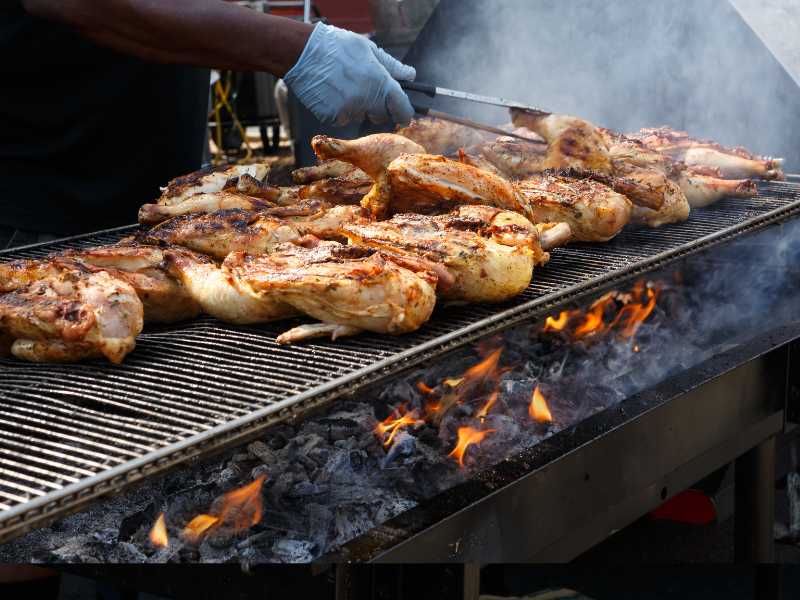 Medium
📜 Story
Medium
📜 Story
Chicken Dust
Grilled Roadside Chicken
Lunch or evening street food Medium
📜 Story
Medium
📜 Story
Emakhowe
Wild Mushroom Stew
Rainy season when mushrooms are available Easy
📜 Story
Easy
📜 Story
Emasi Emabele
Sour Milk with Sorghum
Lunch or afternoon meal
Comments (0)
Log in to leave a comment.
No comments yet. Be the first to share your thoughts!