
Eritrea's beloved chicken stew simmered in berbere-spiced tomato sauce with hard-boiled eggs, traditionally served on injera for holidays and special occasions.
Instructions
-
1
Dry-sauté diced onions in a heavy pot over medium-low heat for twenty-five minutes, stirring frequently until deeply caramelized to a dark brown paste.
-
2
Add tesmi, garlic, ginger, and berbere, stir continuously for three minutes to bloom the spices and create a fragrant base.
-
3
Stir in tomato paste and cook for two minutes, then add water and bring to a gentle simmer.
-
4
Add chicken pieces, ensuring they are submerged, cover and simmer on low heat for forty-five minutes until chicken is fall-off-the-bone tender.
-
5
Add scored hard-boiled eggs and lemon juice, simmer uncovered for ten more minutes to let the sauce thicken and eggs absorb flavor.
-
6
Serve on a large injera-lined platter with eggs placed around the chicken, accompanied by additional injera for scooping.
Did You Know?
In Eritrea, tsebhi derho is considered the national dish and no wedding or holiday celebration is complete without it.
The Story Behind Tsebhi Derho
Tsebhi derho holds the most revered position in Eritrean cuisine, representing centuries of culinary tradition passed from mother to daughter. The dish reflects the patience valued in Eritrean cooking, with onions requiring nearly half an hour of careful caramelization to build the deep flavor base. During the struggle for independence, diaspora Eritreans kept their culture alive through this dish, making it a symbol of national identity and resilience.
More Eritrean Dishes
 Easy
📜 Story
Easy
📜 Story
Ades
Lentil Soup
Starter course or light lunch Easy
📜 Story
Easy
📜 Story
Alicha Birsen
Mild Lentil Stew
Everyday meals and fasting days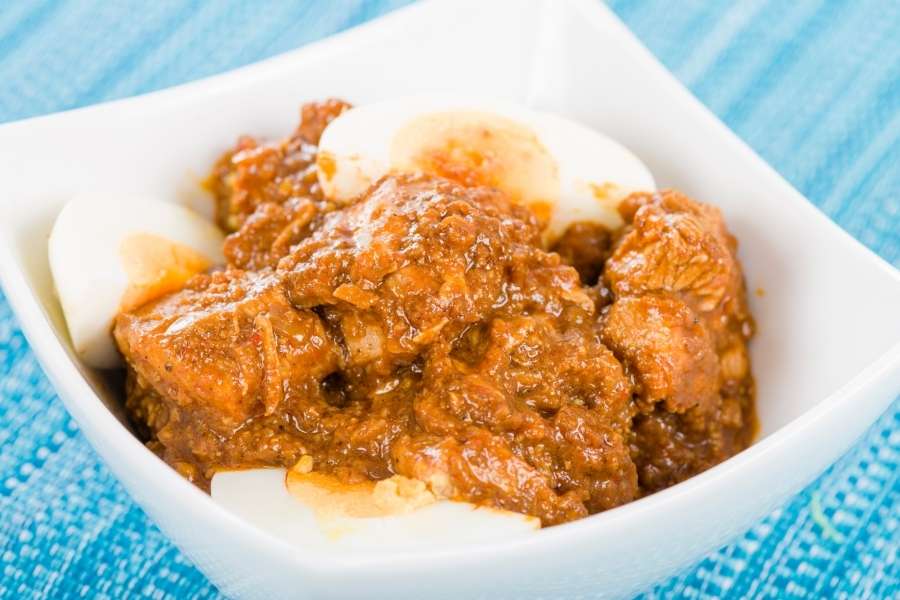 Easy
📜 Story
Easy
📜 Story
Birsen Special
Seasoned Split Pea Stew
Fasting days and everyday meals Medium
📜 Story
Medium
📜 Story
Bun
Eritrean Coffee Ceremony
After meals, social gatherings, daily ritual
Comments (0)
Log in to leave a comment.
No comments yet. Be the first to share your thoughts!