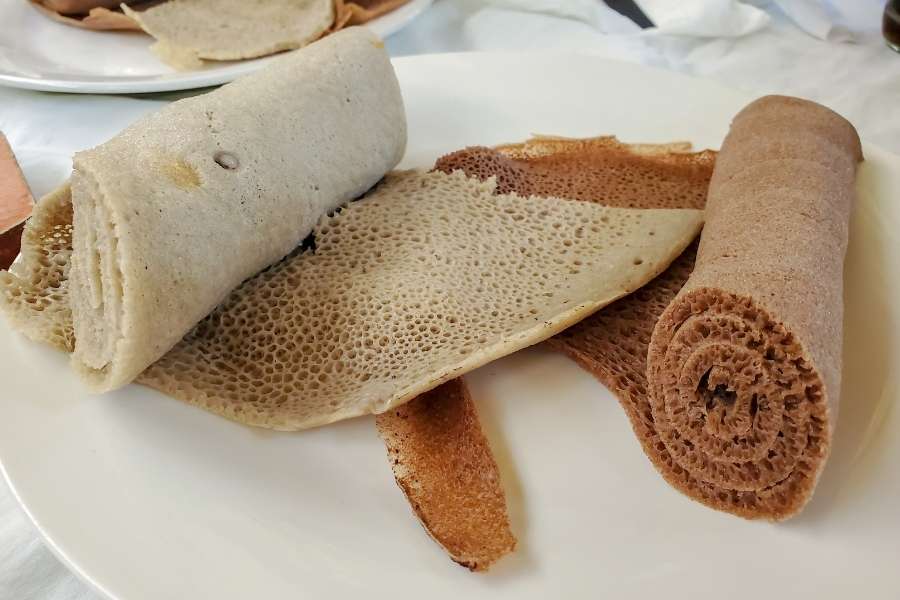
The iconic spongy, tangy sourdough flatbread made from teff flour, serving as both plate and utensil in Eritrean cuisine.
Nutrition & Info
Equipment Needed
Presentation Guide
Vessel: large round platter
Garnishes: none
Accompaniments: all stews and sides
Instructions
-
1
Mix teff flour and water in a large bowl, cover loosely with cloth, and let ferment at room temperature for two to three days.
-
2
The batter is ready when it smells pleasantly sour and bubbles form on the surface, similar to pancake batter consistency.
-
3
Heat a large non-stick pan or mitad over medium heat, lightly oil the surface.
-
4
Pour batter in a thin spiral from the outside edge inward, cover and cook for two minutes until holes form on the surface.
-
5
Do not flip. The injera is done when the top is set and the edges lift easily from the pan.
-
6
Stack cooked injera on a plate with parchment between layers, and serve as the base for stews and sides.
Did You Know?
A single meal in Eritrea can use up to four large injera: one as the plate, and three more for scooping.
Chef's Notes
Equipment Tips
- large mixing bowl
- mitad (clay griddle) or non-stick pan
- ladle
- cotton cloth
Garnishing
none
Accompaniments
all stews and sides
The Story Behind Injera
Injera is the heart and soul of Eritrean cuisine, an ancient fermented flatbread that has sustained the people of the Horn of Africa for millennia. Made from teff, a tiny grain indigenous to the Ethiopian highlands and Eritrean plateau, injera is unique in world cuisine as both plate and utensil. The fermentation process produces a distinctive tangy flavor and spongy texture that perfectly complements the rich stews it accompanies.
More Eritrean Dishes
 Easy
📜 Story
Easy
📜 Story
Ades
Lentil Soup
Starter course or light lunch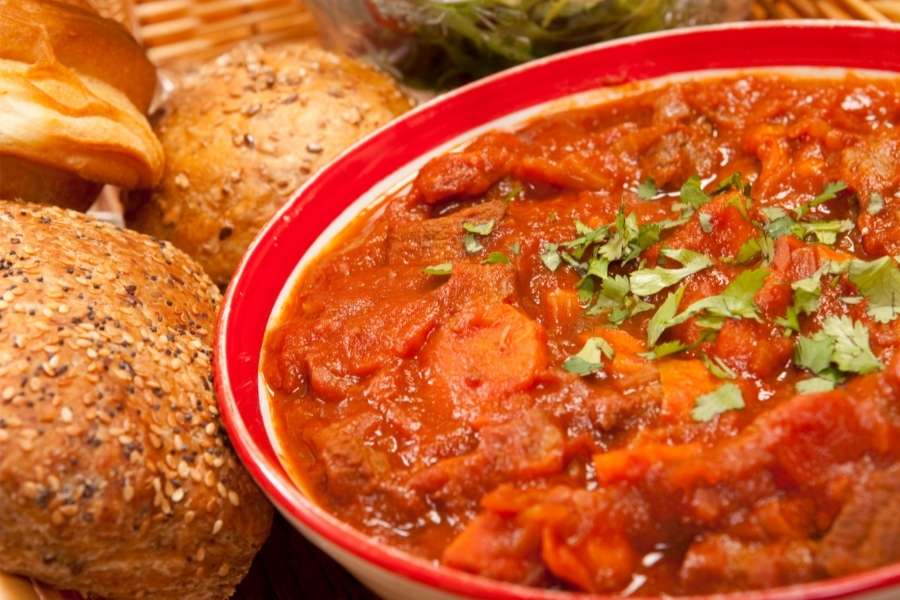 Easy
📜 Story
Easy
📜 Story
Alicha Birsen
Mild Lentil Stew
Everyday meals and fasting days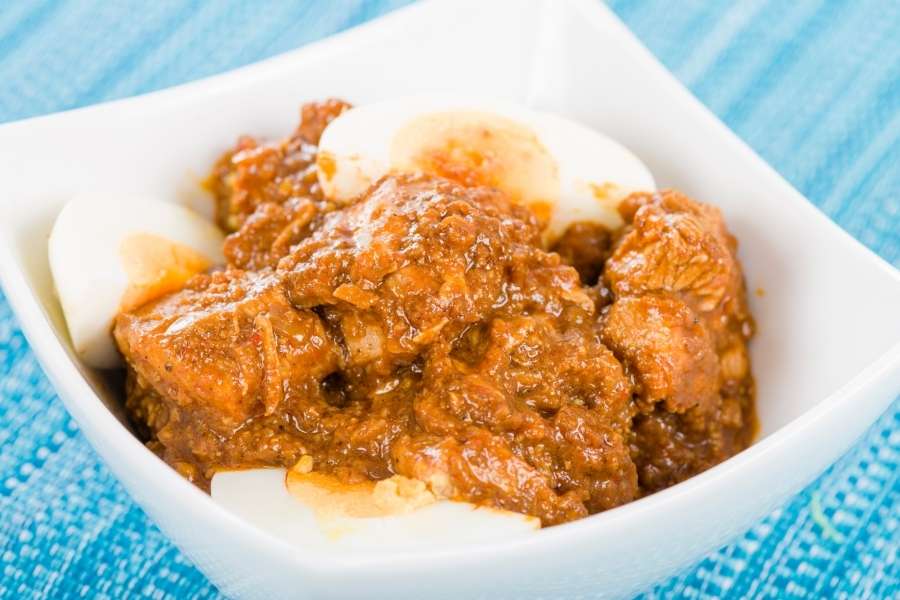 Easy
📜 Story
Easy
📜 Story
Birsen Special
Seasoned Split Pea Stew
Fasting days and everyday meals Medium
📜 Story
Medium
📜 Story
Bun
Eritrean Coffee Ceremony
After meals, social gatherings, daily ritual
Comments (0)
Log in to leave a comment.
No comments yet. Be the first to share your thoughts!