
A lightly sweet, cardamom-scented wheat bread with a beautiful scored pattern on top, baked for celebrations and served with coffee.
Instructions
-
1
Dissolve yeast in warm milk with a pinch of sugar, let stand for ten minutes until frothy.
-
2
Mix flour, sugar, cardamom, and salt. Add yeast mixture, eggs, melted butter, and vanilla.
-
3
Knead for ten minutes until smooth and elastic dough forms, cover and let rise for one hour.
-
4
Punch down dough, shape into a round about two centimeters thick, place in a greased round pan.
-
5
Score the top with a beautiful traditional pattern using a sharp knife, let rise twenty more minutes.
-
6
Bake at 180C for twenty-five minutes until golden brown and hollow-sounding when tapped.
Did You Know?
The decorative scoring on himbasha follows traditional patterns that vary by region, and skilled bakers are recognized for their artistry.
The Story Behind Himbasha
Himbasha is the bread of joy in Eritrean culture, baked exclusively for celebrations, holidays, and the important coffee ceremony. The cardamom fragrance and lightly sweet flavor distinguish it from everyday bread. The ornate scoring patterns on top carry cultural significance, with different designs associated with different regions and occasions. Sharing himbasha is an act of hospitality and community.
More Eritrean Dishes
 Easy
📜 Story
Easy
📜 Story
Ades
Lentil Soup
Starter course or light lunch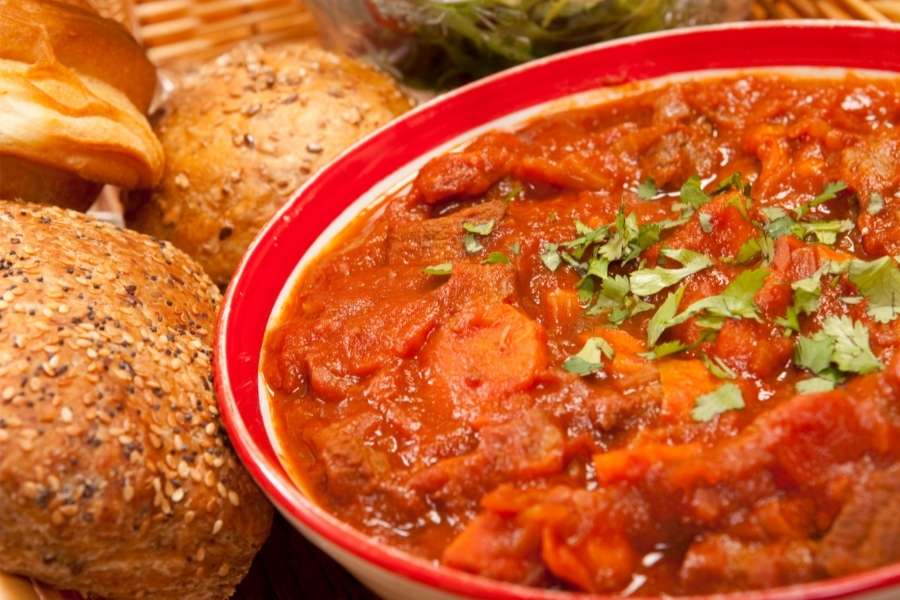 Easy
📜 Story
Easy
📜 Story
Alicha Birsen
Mild Lentil Stew
Everyday meals and fasting days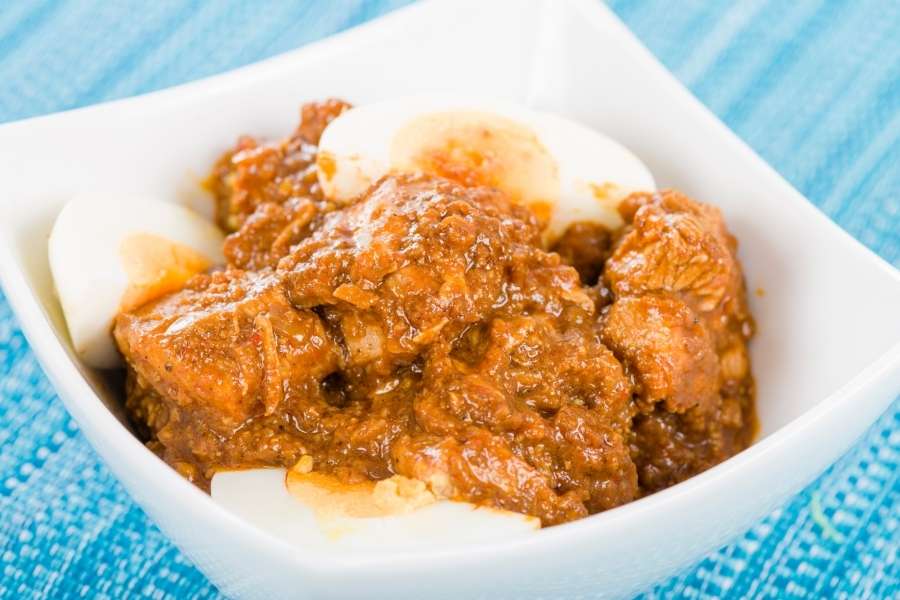 Easy
📜 Story
Easy
📜 Story
Birsen Special
Seasoned Split Pea Stew
Fasting days and everyday meals Medium
📜 Story
Medium
📜 Story
Bun
Eritrean Coffee Ceremony
After meals, social gatherings, daily ritual
Comments (0)
Log in to leave a comment.
No comments yet. Be the first to share your thoughts!