
The traditional Eritrean coffee ceremony where green beans are roasted, ground, and brewed in a jebena clay pot, served in three rounds.
Nutrition & Info
Equipment Needed
Presentation Guide
Vessel: jebena clay pot and small cups
Garnishes: frankincense smoke
Accompaniments: popcorn, himbasha
Instructions
-
1
Wash green coffee beans and roast them in a menkeshkesh pan over charcoal, shaking continuously until dark brown and oily.
-
2
Pass the smoking roasted beans around for guests to inhale the aroma, waving the fragrant smoke toward them.
-
3
Grind the roasted beans to a fine powder using a mukecha mortar and pestle.
-
4
Add ground coffee to a jebena filled with water, bring to a boil over charcoal, then let settle.
-
5
Pour the first round (awel) into small handleless cups from a height for a dramatic stream.
-
6
Serve three rounds total: awel (first, strongest), kalaay (second), and bereka (third, lightest), each progressively milder.
Did You Know?
The Eritrean coffee ceremony takes at least an hour and refusing the third cup (bereka, meaning "blessing") is considered very rude.
Chef's Notes
Equipment Tips
- jebena (clay pot)
- menkeshkesh (roasting pan)
- mukecha (mortar and pestle)
- small cups
- charcoal burner
Garnishing
frankincense smoke
Accompaniments
popcorn, himbasha
The Story Behind Bun
The Eritrean coffee ceremony is far more than a beverage preparation; it is a cornerstone of social life and hospitality. Coffee has been cultivated in the Horn of Africa for centuries, and the elaborate ceremony of roasting, grinding, and brewing evolved as a daily ritual that brings families and communities together. The three rounds represent a journey from intensity to blessing, mirroring the Eritrean values of patience and community.
More Eritrean Dishes
 Easy
📜 Story
Easy
📜 Story
Ades
Lentil Soup
Starter course or light lunch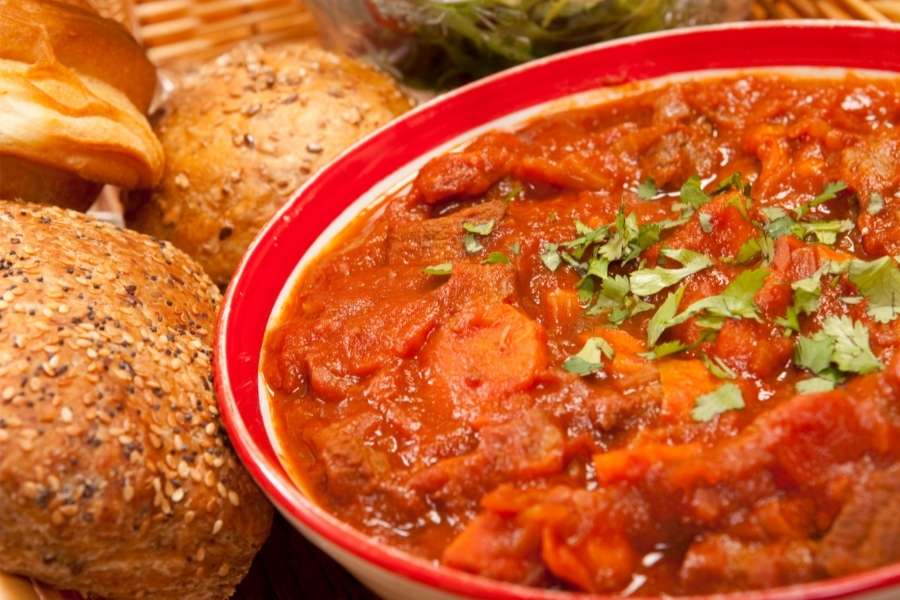 Easy
📜 Story
Easy
📜 Story
Alicha Birsen
Mild Lentil Stew
Everyday meals and fasting days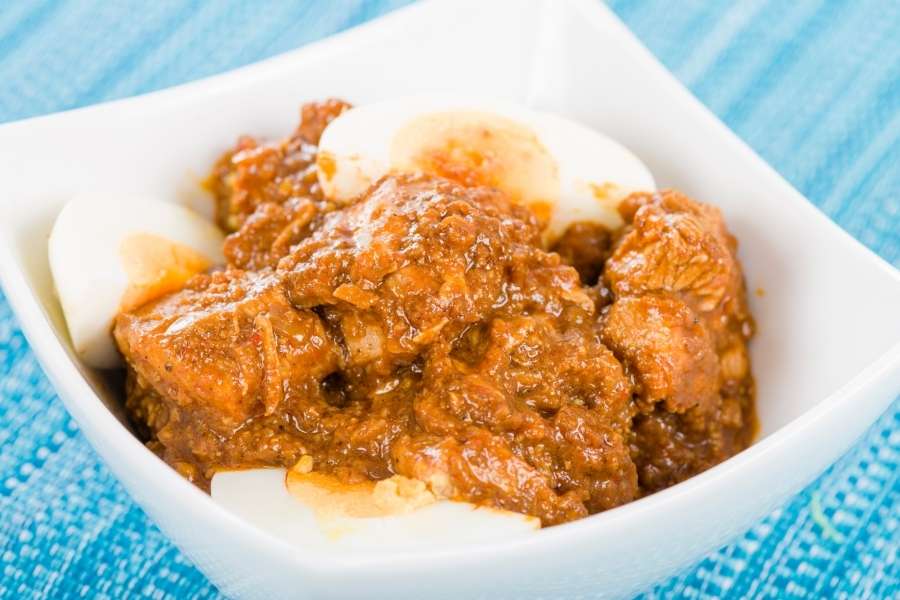 Easy
📜 Story
Easy
📜 Story
Birsen Special
Seasoned Split Pea Stew
Fasting days and everyday meals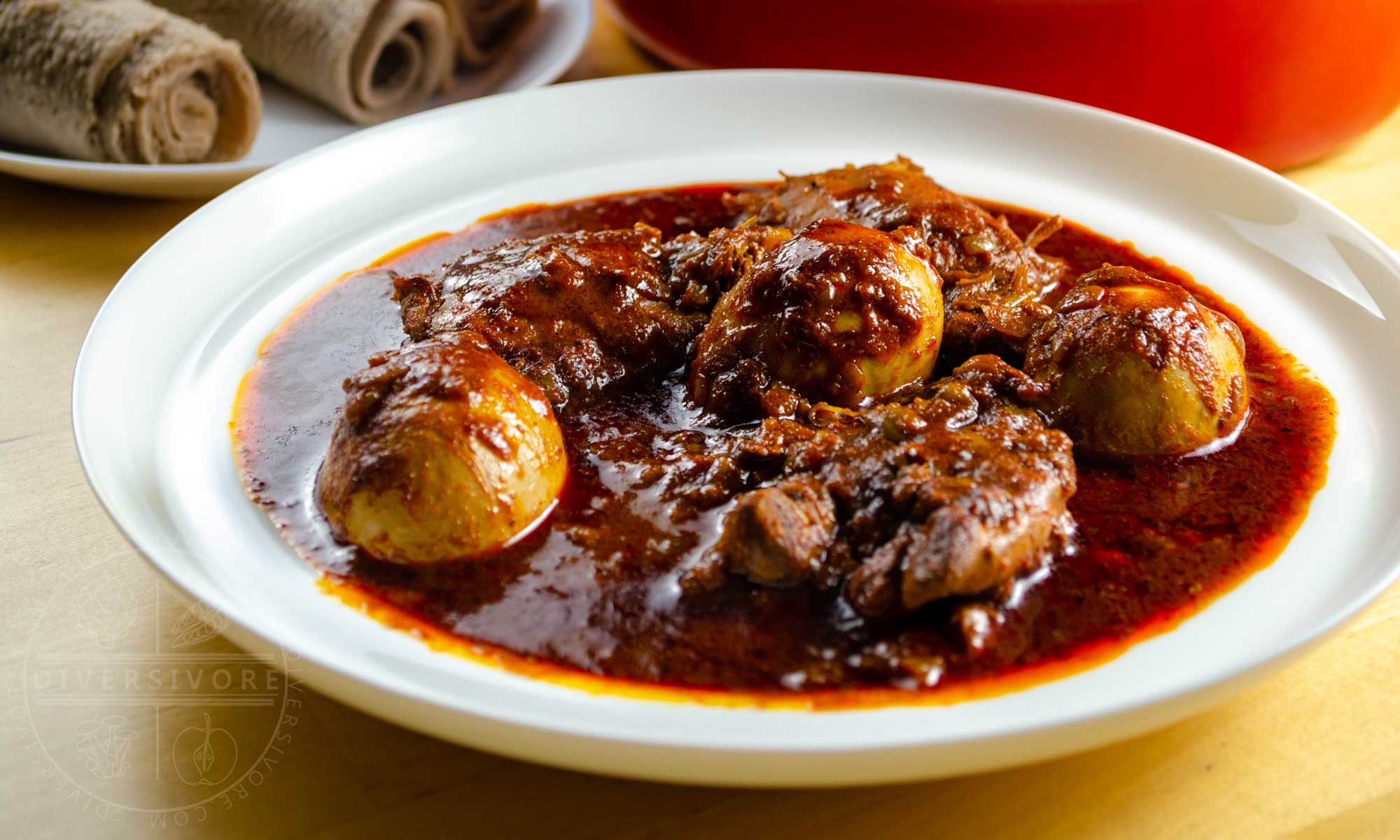 Medium
📜 Story
Medium
📜 Story
Dorho Tsire
Roasted Spiced Chicken
Holiday meals and Sunday lunch
Comments (0)
Log in to leave a comment.
No comments yet. Be the first to share your thoughts!