
A tangy soup of albacore tuna, yuca, pickled red onions, and lime juice. Ecuador's famous hangover cure and coastal staple.
Instructions
-
1
Place the yuca cubes in a large pot with six cups of salted water, half the diced tomatoes, half the garlic, and a teaspoon of cumin. Bring to a boil and cook for twenty-five minutes until the yuca is completely tender and beginning to split at the edges.
-
2
While the yuca cooks, prepare the curtido by tossing the thinly sliced red onion rings with the lime juice, a pinch of salt, and a handful of chopped cilantro. Let this quick pickle sit for at least twenty minutes, tossing occasionally.
-
3
Remove the cooked yuca from the broth with a slotted spoon and set aside, keeping the broth simmering. Add the remaining diced tomatoes and garlic to the broth and cook for five minutes to build a rich, tomatoey base.
-
4
Season the tuna chunks with salt and pepper. Gently lower them into the simmering broth and poach for five to seven minutes until the fish is just cooked through but still slightly pink in the very centre for optimal texture.
-
5
Return the cooked yuca to the pot and stir gently to combine. Taste the broth and adjust seasoning with salt, pepper, and additional cumin. The soup should be flavourful enough to drink on its own as a clear, slightly thick broth.
-
6
Ladle the encebollado into deep bowls, ensuring each serving has generous portions of tuna and yuca. Top each bowl with a heap of the lime-pickled red onion curtido and a generous sprinkle of fresh chopped cilantro.
-
7
Serve immediately with banana chips on the side for crumbling into the soup and additional lime wedges for squeezing. This soup is considered Ecuador's national hangover cure and is traditionally eaten for breakfast or late at night.
Did You Know?
Encebollado is so legendary as a hangover cure that restaurants open at 6 AM to serve it after party nights.
The Story Behind Encebollado
The Story: Encebollado is Ecuador's iconic fish soup, a robust broth of fresh albacore tuna simmered with yuca (cassava), tomatoes, and onions, finished with a mountain of pickled red onions (curtido), fresh cilantro, and a squeeze of lime. The dish is most closely associated with the coastal city of Guayaquil and the fishing communities of Esmeraldas and Manabi, where the daily tuna catch flows directly from ocean to pot. Encebollado's origins lie in the practical cooking of coastal fishermen who combined their catch with the starchy yuca root that grew abundantly along the Pacific lowlands.
On the Calendar: Encebollado is famously consumed as a hangover cure, making it the go-to breakfast after late-night celebrations, New Year's Eve, and weekend revelry. It is also a beloved everyday lunch and a comfort food eaten year-round along the Ecuadorian coast.
Then & Now: Once purely a coastal fisherman's dish, encebollado has conquered the entire country and is now served in highland cities like Quito and Cuenca. Restaurants specializing exclusively in encebollado have become institutions, with each claiming the authentic recipe.
Legacy: Encebollado is Ecuador's great equalizer, a dish that brings together presidents and taxi drivers in the same humble restaurants at dawn, united in their need for its restorative powers.
More Ecuadorian Dishes
 Medium
📜 Story
Medium
📜 Story
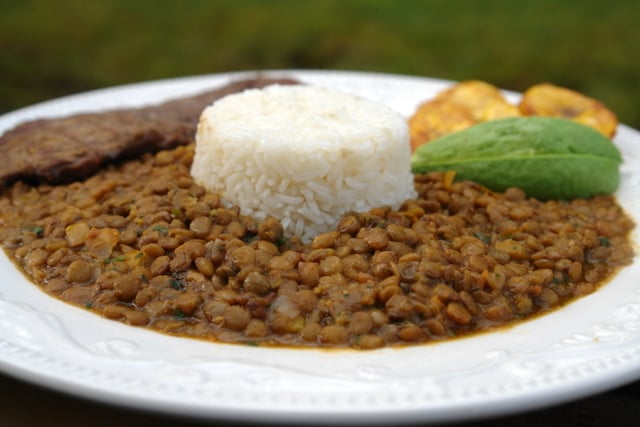
Arroz con Menestra y Carne
Rice with Lentil Stew and Grilled Beef
Lunch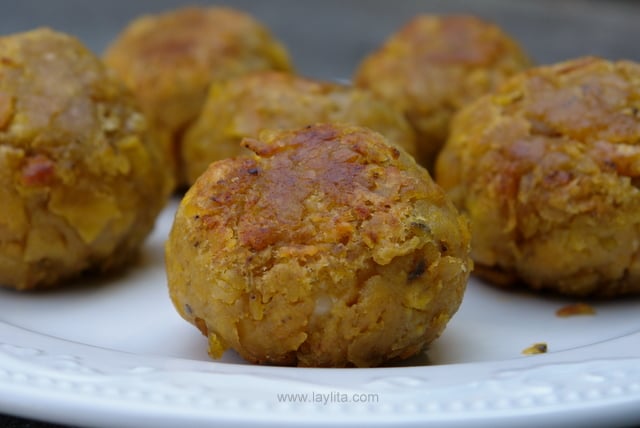 Easy
📜 Story
Easy
📜 Story
Bolón de Verde
Green Plantain Dumpling
Breakfast Easy
📜 Story
Easy
📜 Story
Caldo de Gallina
Hen Broth Soup
Lunch, especially when feeling unwell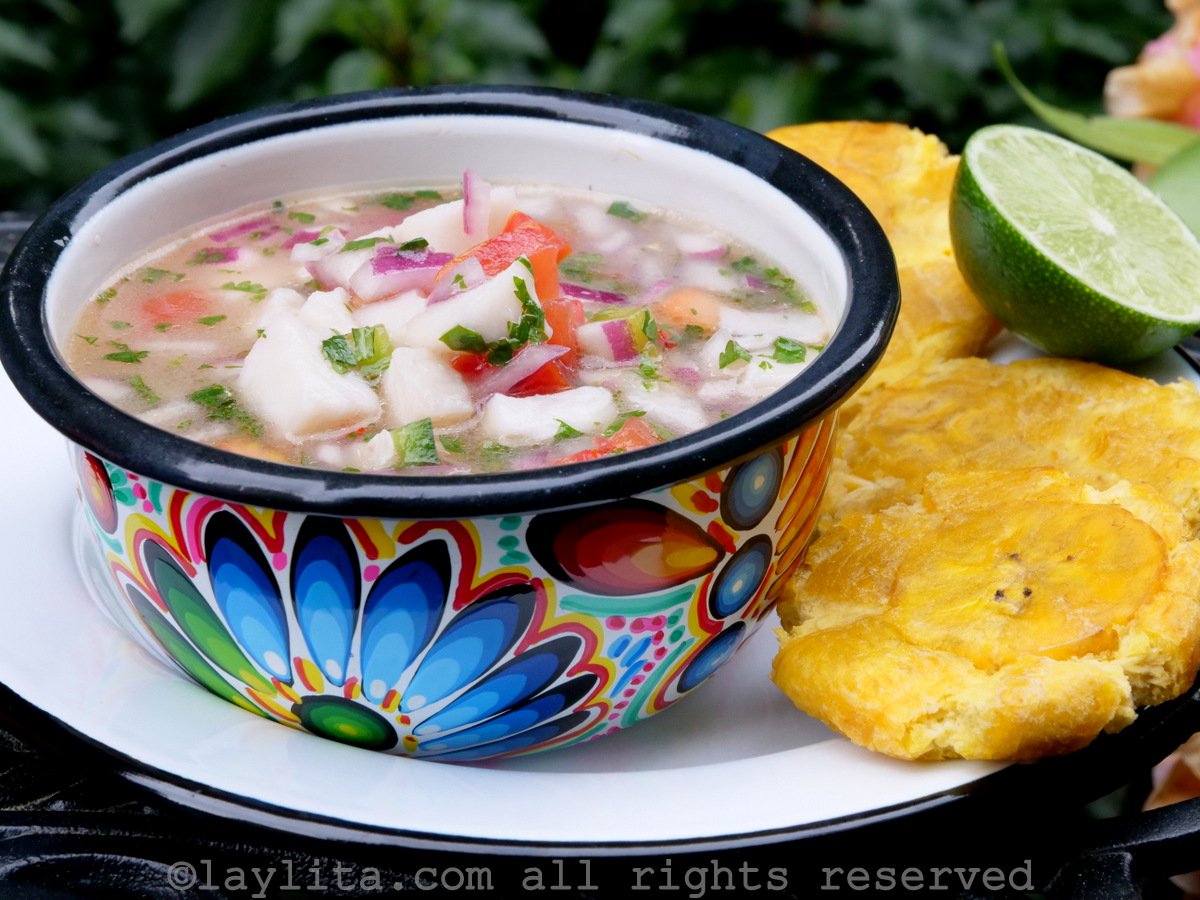 Easy
📜 Story
Easy
📜 Story
Ceviche Ecuatoriano
Ecuadorian Shrimp Ceviche
Lunch, especially weekends
Comments (0)
Log in to leave a comment.
No comments yet. Be the first to share your thoughts!