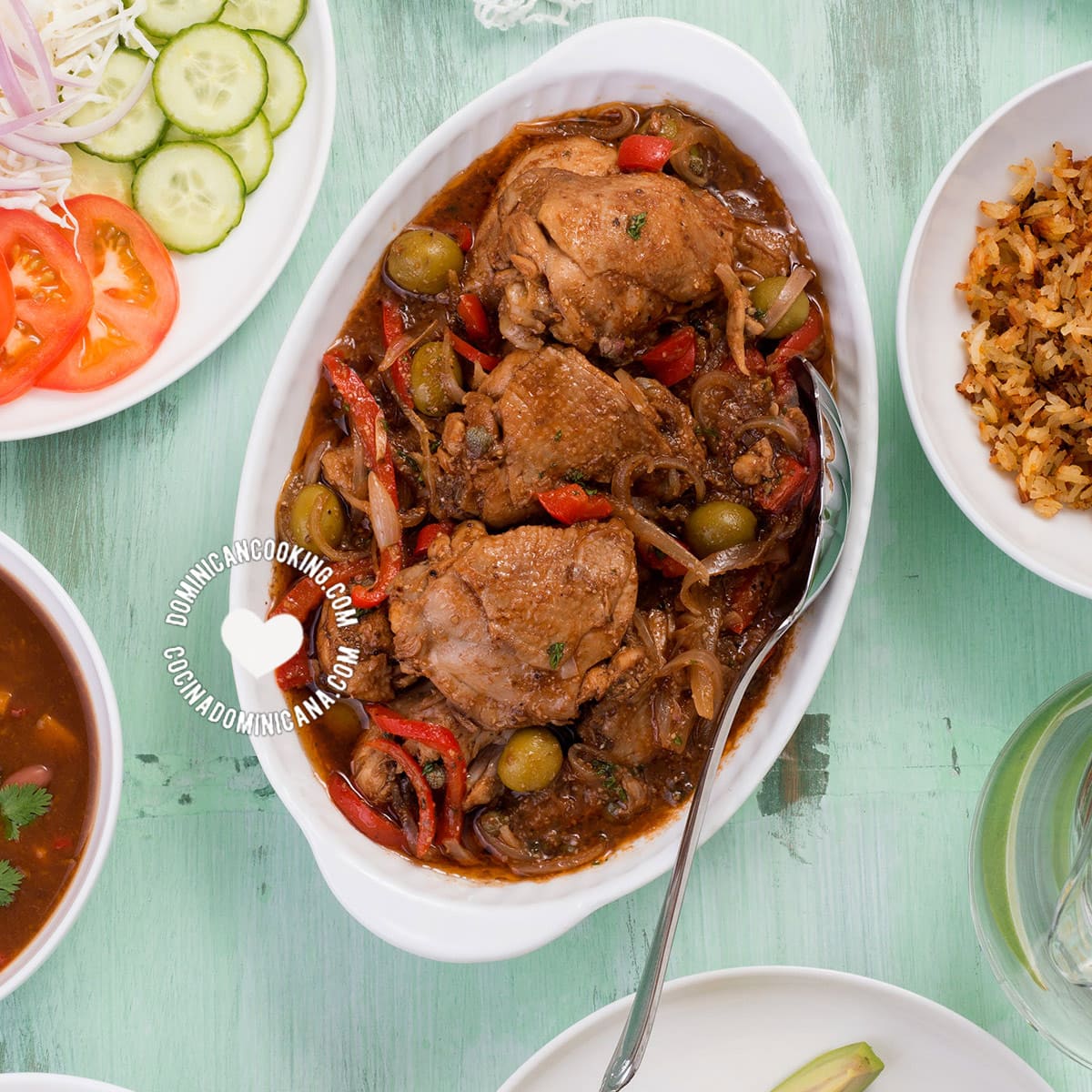
Pollo Guisado
Pollo Guisado (PO-yo gee-SAH-do)
Dominican Braised Chicken
Tender chicken pieces braised in a savory tomato sauce with peppers, olives, and capers, infused with oregano and the distinctive Dominican sofrito.
Nutrition & Info
Equipment Needed
Presentation Guide
Vessel: serving platter
Garnishes: cilantro, olive slices
Accompaniments: white rice, habichuelas guisadas
Instructions
-
1
Season chicken with garlic, oregano, vinegar, soy sauce, salt, and pepper. Marinate at least thirty minutes.
-
2
Heat vegetable oil and achiote oil in a caldero or Dutch oven over medium-high heat until shimmering.
-
3
Brown chicken pieces on all sides until golden. Remove and set aside on a plate.
-
4
In the same pot, cook onion and bell pepper until softened. Add tomato paste and stir two minutes.
-
5
Return chicken to pot. Add olives, capers, potatoes, and water. Cover and simmer thirty minutes until chicken is cooked through and potatoes are tender.
-
6
Adjust seasoning and let sauce thicken slightly. Serve over white rice with a side of beans.
Did You Know?
Dominican families often argue about whether to add potatoes to pollo guisado, with regional preferences varying across the island.
Chef's Notes
Equipment Tips
- Dutch oven or caldero
- wooden spoon
- cutting board
Garnishing
cilantro, olive slices
Accompaniments
white rice, habichuelas guisadas
The Story Behind Pollo Guisado
Pollo guisado is the everyday workhorse of Dominican cooking, the dish that feeds families on weeknights when sancocho is too ambitious. The Spanish influence is clear in the olives and capers, but the use of soy sauce reveals the Chinese immigrant influence that shaped Dominican cuisine in the nineteenth century. The distinctive orange-red color comes from achiote oil, a coloring agent derived from annatto seeds used by the indigenous Taino people.
More Dominican Dishes
 Medium
📜 Story
Medium
📜 Story
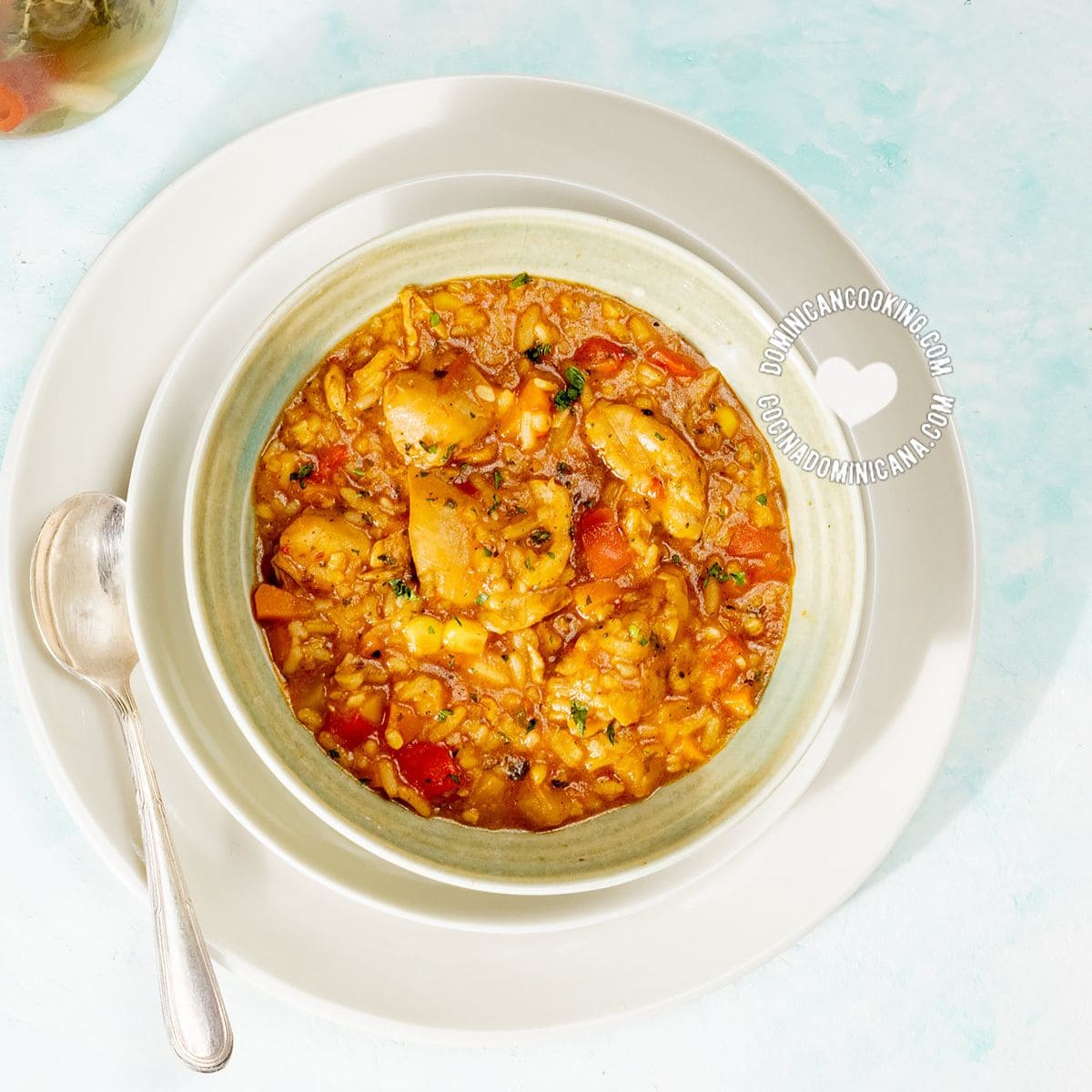
Asopao de Pollo
Dominican Chicken Rice Soup
Rainy days and when feeling unwell Hard
📜 Story
Hard
📜 Story
Bizcocho Dominicano
Dominican Cake
Birthdays, weddings, and celebrations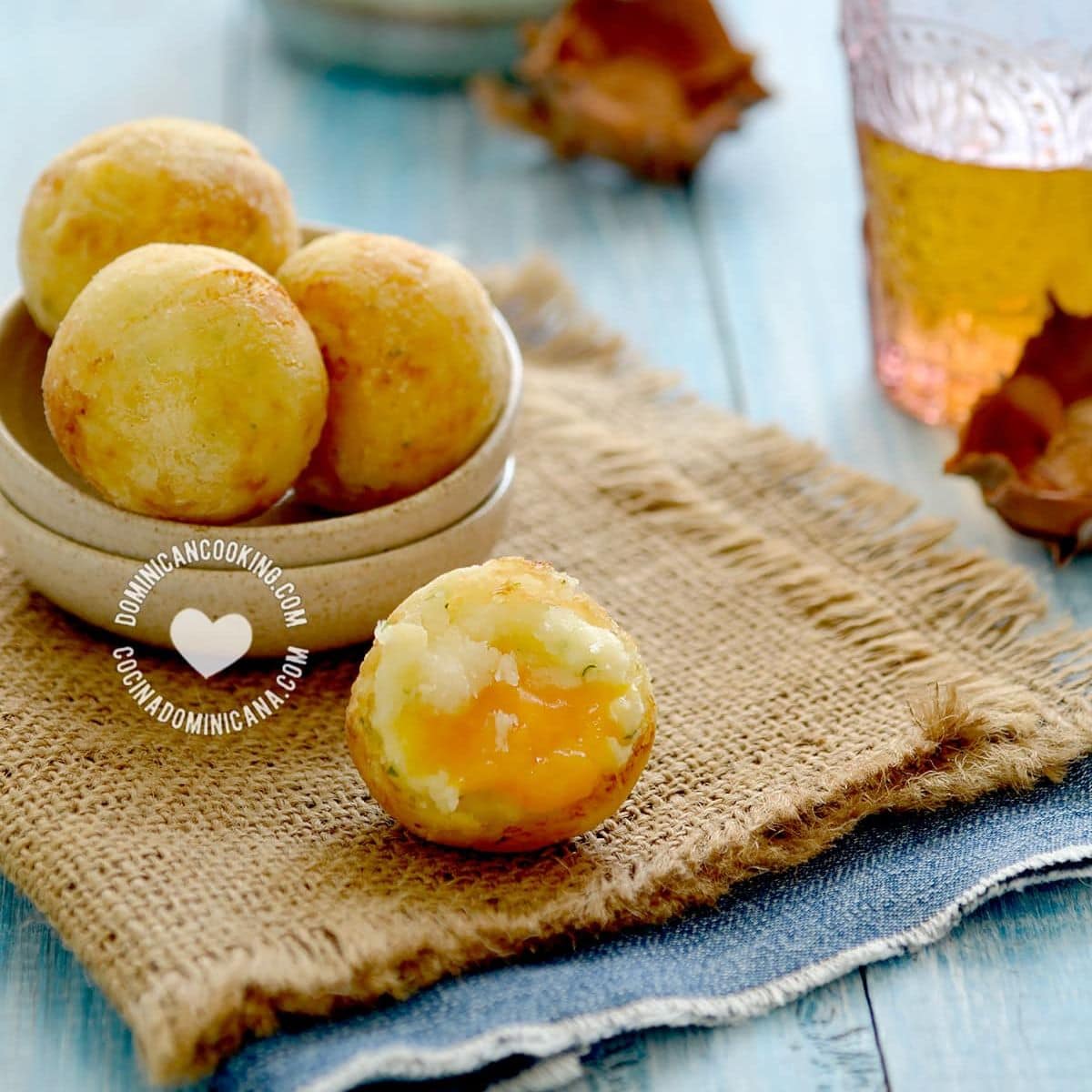 Medium
📜 Story
Medium
📜 Story
Bollitos de Yuca
Fried Yuca and Cheese Balls
Snack time or appetizer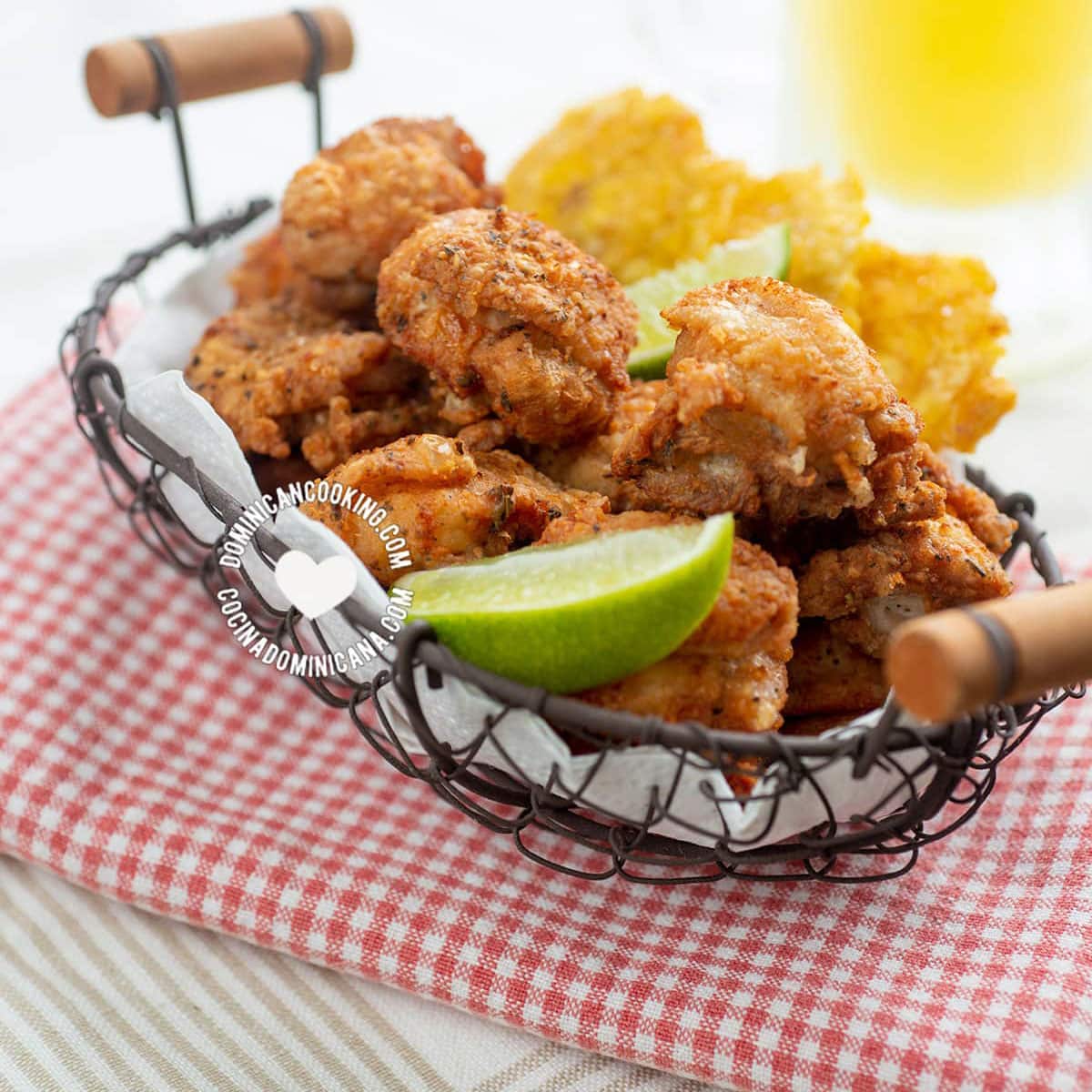 Easy
📜 Story
Easy
📜 Story
Chicharron de Pollo
Dominican Fried Chicken Bites
Lunch, dinner, or snack time
Comments (0)
Log in to leave a comment.
No comments yet. Be the first to share your thoughts!