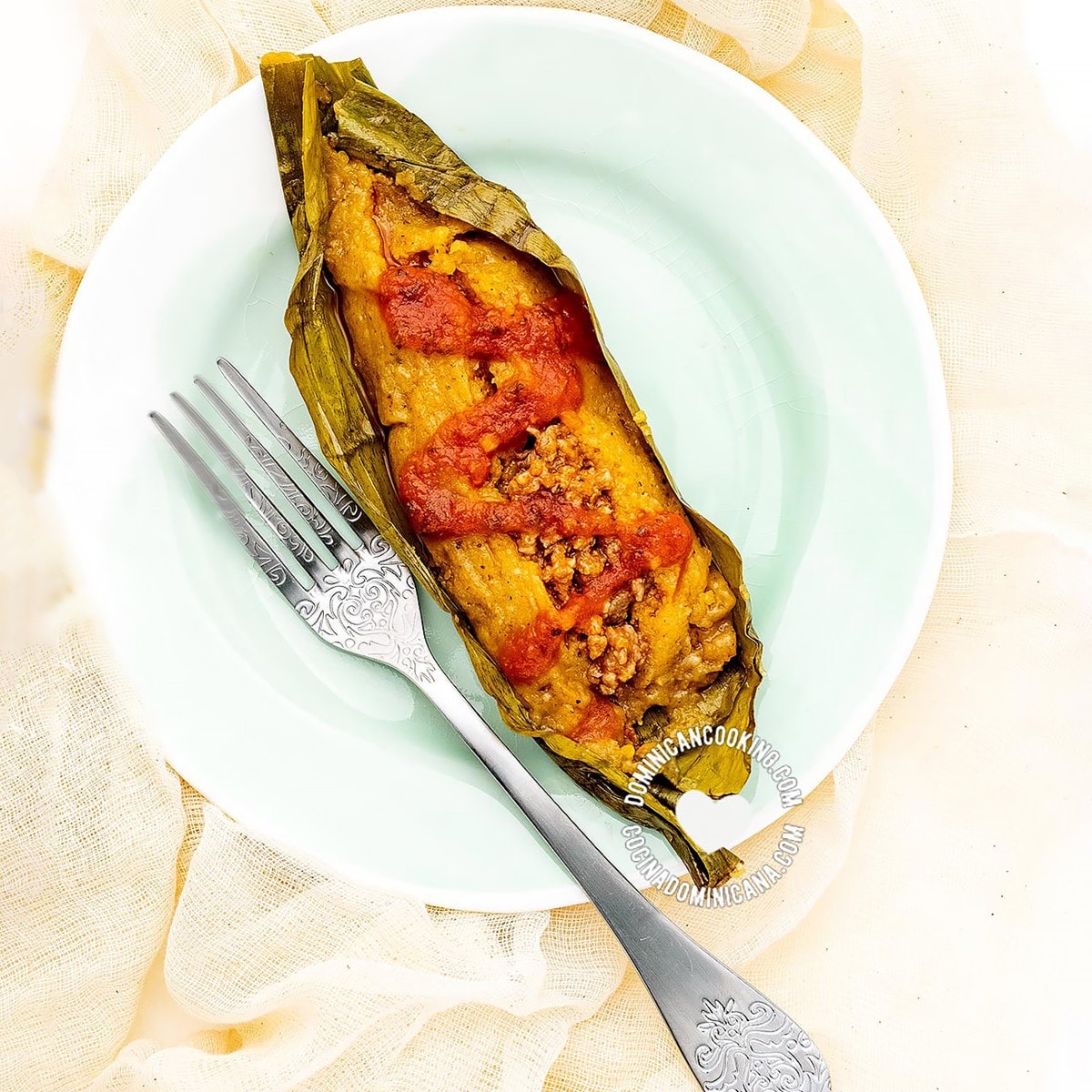
Pastel en Hoja
Pastel en Hoja (pas-TEL en OH-ha)
Plantain Tamale in Banana Leaf
A savory Dominican tamale made with grated green plantain dough filled with seasoned ground beef, wrapped in banana leaves, and steamed until firm.
Nutrition & Info
Equipment Needed
Presentation Guide
Vessel: served in banana leaf wrapping
Garnishes: none, unwrapped at table
Accompaniments: hot sauce, ketchup
Instructions
-
1
Grate plantains and bananas finely. Mix with achiote oil and salt to form a smooth, thick dough. Set aside.
-
2
Brown ground beef with onion, garlic, bell pepper, and oregano. Add tomato paste, olives, and capers. Cook until liquid evaporates.
-
3
Soften banana leaves by passing briefly over an open flame or blanching in hot water. Cut into large rectangles.
-
4
Spread a layer of plantain dough on each banana leaf. Add a spoonful of meat filling in the center.
-
5
Fold banana leaves to enclose the filling completely. Tie securely with kitchen string.
-
6
Steam pasteles in a large pot for one hour until dough is firm and cooked through. Serve warm in the leaf.
Did You Know?
Making pasteles en hoja is a communal activity where entire families gather in assembly lines during Christmas, with each person assigned a specific task.
Chef's Notes
Equipment Tips
- grater or food processor
- banana leaves
- kitchen string
- large steamer pot
Garnishing
none, unwrapped at table
Accompaniments
hot sauce, ketchup
The Story Behind Pastel en Hoja
Pasteles en hoja represent the deep culinary heritage of the Dominican Republic, combining the Taino tradition of cooking in leaves with African techniques for preparing starchy root vegetables. The dish is the centerpiece of Dominican Christmas cooking, and its preparation is a cherished family ritual that can take an entire day. The assembly-line approach, where grandmothers, mothers, and children each handle different steps, is an important mechanism for passing culinary knowledge between generations.
More Dominican Dishes
 Medium
📜 Story
Medium
📜 Story
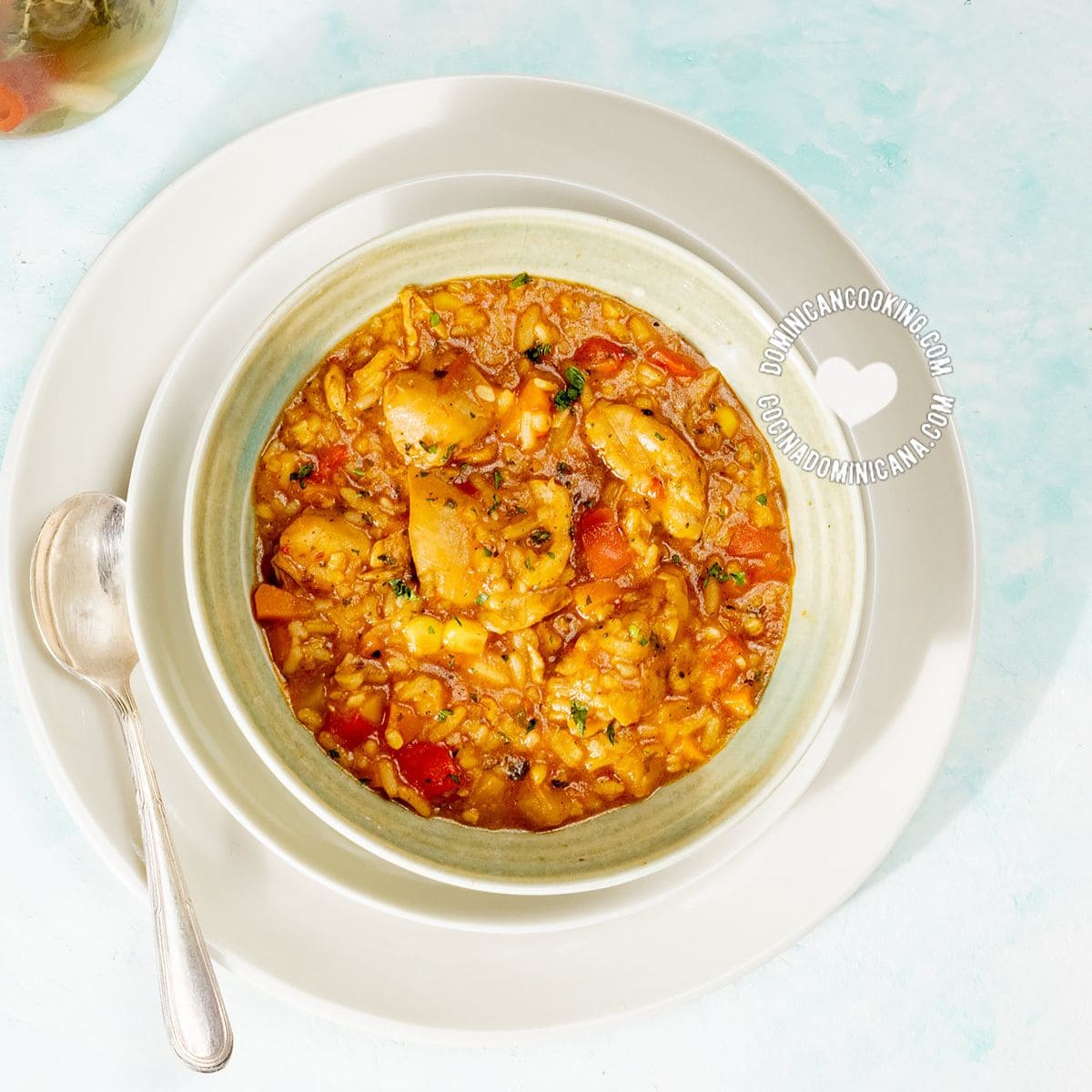
Asopao de Pollo
Dominican Chicken Rice Soup
Rainy days and when feeling unwell Hard
📜 Story
Hard
📜 Story
Bizcocho Dominicano
Dominican Cake
Birthdays, weddings, and celebrations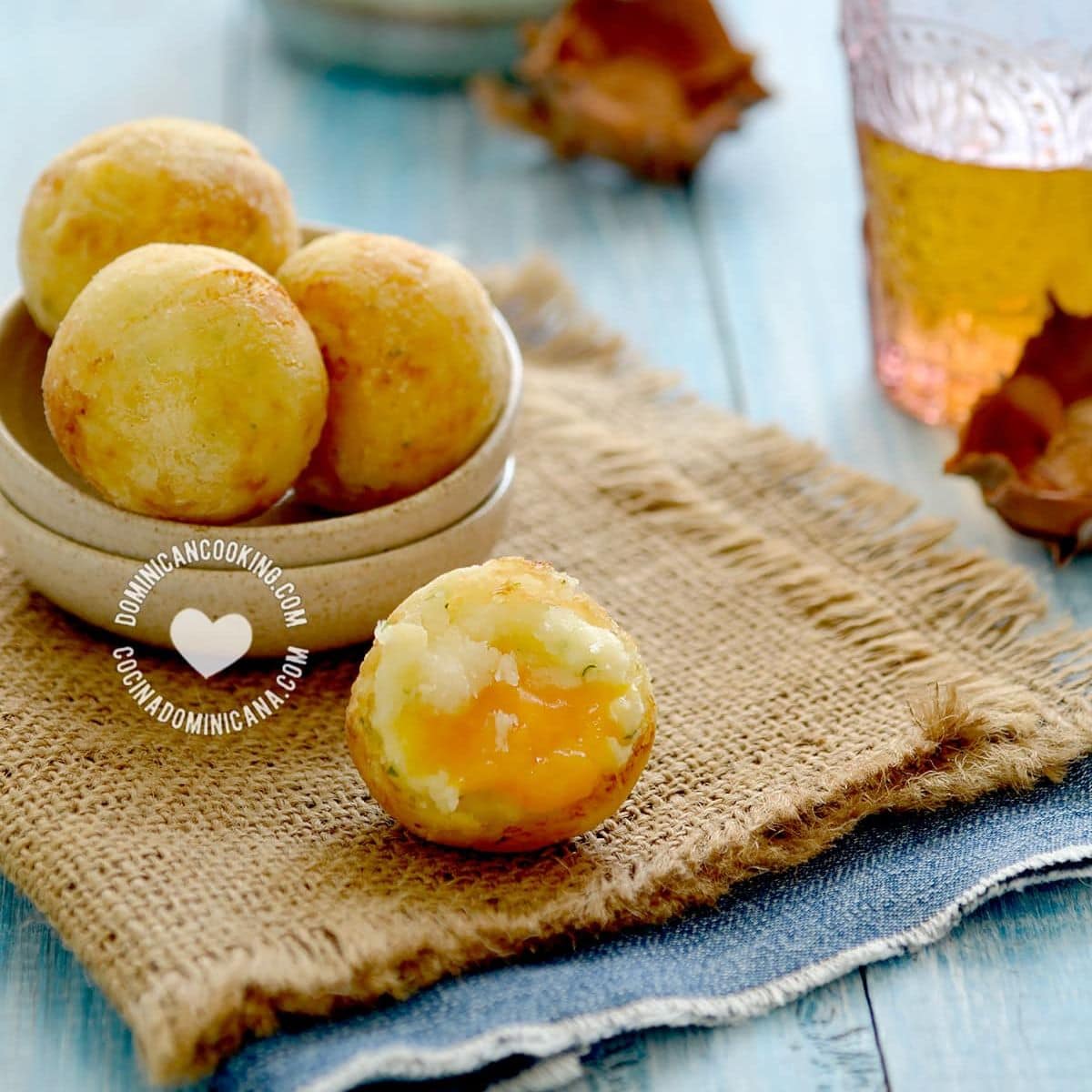 Medium
📜 Story
Medium
📜 Story
Bollitos de Yuca
Fried Yuca and Cheese Balls
Snack time or appetizer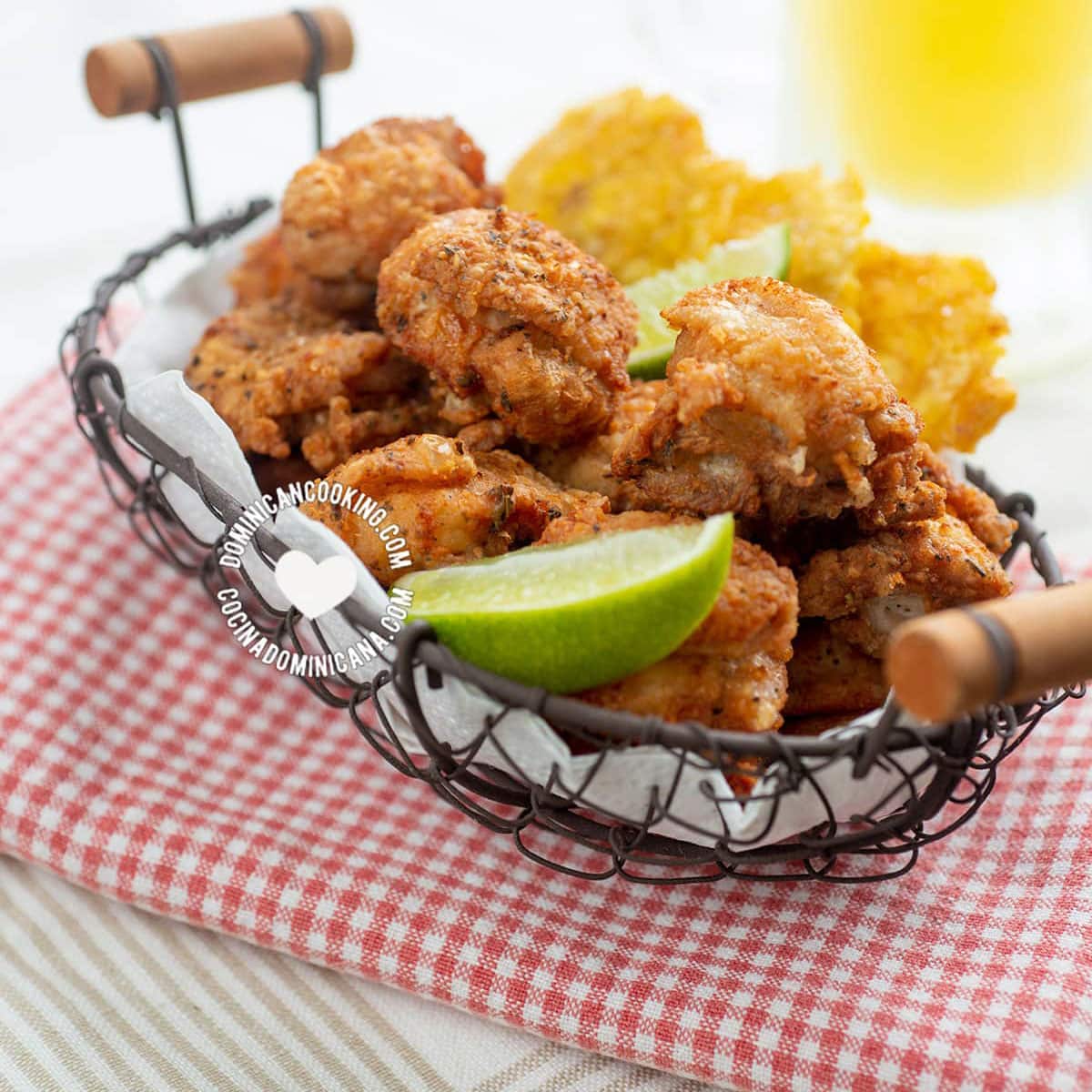 Easy
📜 Story
Easy
📜 Story
Chicharron de Pollo
Dominican Fried Chicken Bites
Lunch, dinner, or snack time
Comments (0)
Log in to leave a comment.
No comments yet. Be the first to share your thoughts!