
Habichuelas con Dulce
Habichuelas con Dulce (ah-bee-CHWE-las con DOOL-se)
Sweet Cream of Beans Dessert
A unique Dominican dessert of pureed red beans cooked with coconut milk, evaporated milk, sugar, cinnamon, and raisins into a thick, creamy sweet pudding.
Nutrition & Info
Allergen Warnings
Equipment Needed
Presentation Guide
Vessel: cup or small bowl
Garnishes: milk cookies on top, ground cinnamon
Accompaniments: galletitas de leche
Instructions
-
1
Blend cooked beans with enough cooking liquid to make a smooth puree. Strain through a fine mesh strainer to remove skins.
-
2
Boil sweet potato cubes until tender, about ten minutes. Drain and set aside.
-
3
In a large pot, combine bean puree, coconut milk, evaporated milk, sugar, and cinnamon sticks. Bring to a gentle boil.
-
4
Reduce heat and simmer thirty minutes, stirring frequently to prevent sticking. The mixture should thicken to a creamy porridge consistency.
-
5
Add raisins, sweet potato, vanilla, nutmeg, and cloves. Cook ten more minutes until everything is well incorporated.
-
6
Serve warm or chilled in cups or bowls with milk cookies on top for dipping. It thickens further when cold.
Did You Know?
During Semana Santa, Dominican families make huge batches of habichuelas con dulce and distribute them to neighbors, friends, and even strangers in a beloved communal tradition.
Chef's Notes
Equipment Tips
- large pot
- blender
- strainer
- wooden spoon
Garnishing
milk cookies on top, ground cinnamon
Accompaniments
galletitas de leche
The Story Behind Habichuelas con Dulce
Habichuelas con dulce is one of the most distinctive desserts in all of Latin American cuisine, a sweet preparation of beans that surprises anyone who has never encountered it. The dish is inextricably linked to Lent and Holy Week, when it is prepared in enormous quantities and shared throughout communities. Its origins likely reflect the creative ingenuity of making satisfying desserts during Lenten fasting periods when rich ingredients were restricted.
More Dominican Dishes
 Medium
📜 Story
Medium
📜 Story
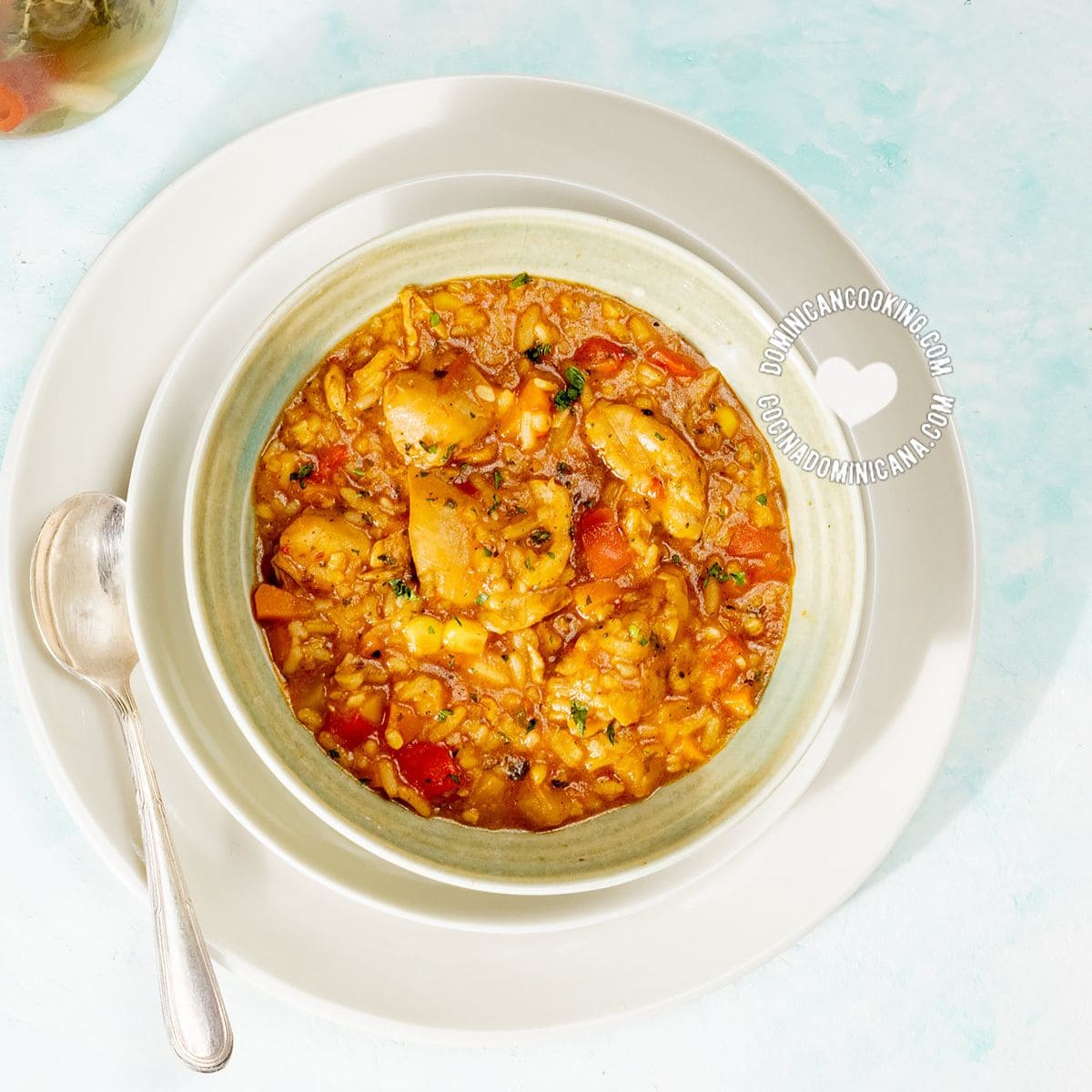
Asopao de Pollo
Dominican Chicken Rice Soup
Rainy days and when feeling unwell Hard
📜 Story
Hard
📜 Story
Bizcocho Dominicano
Dominican Cake
Birthdays, weddings, and celebrations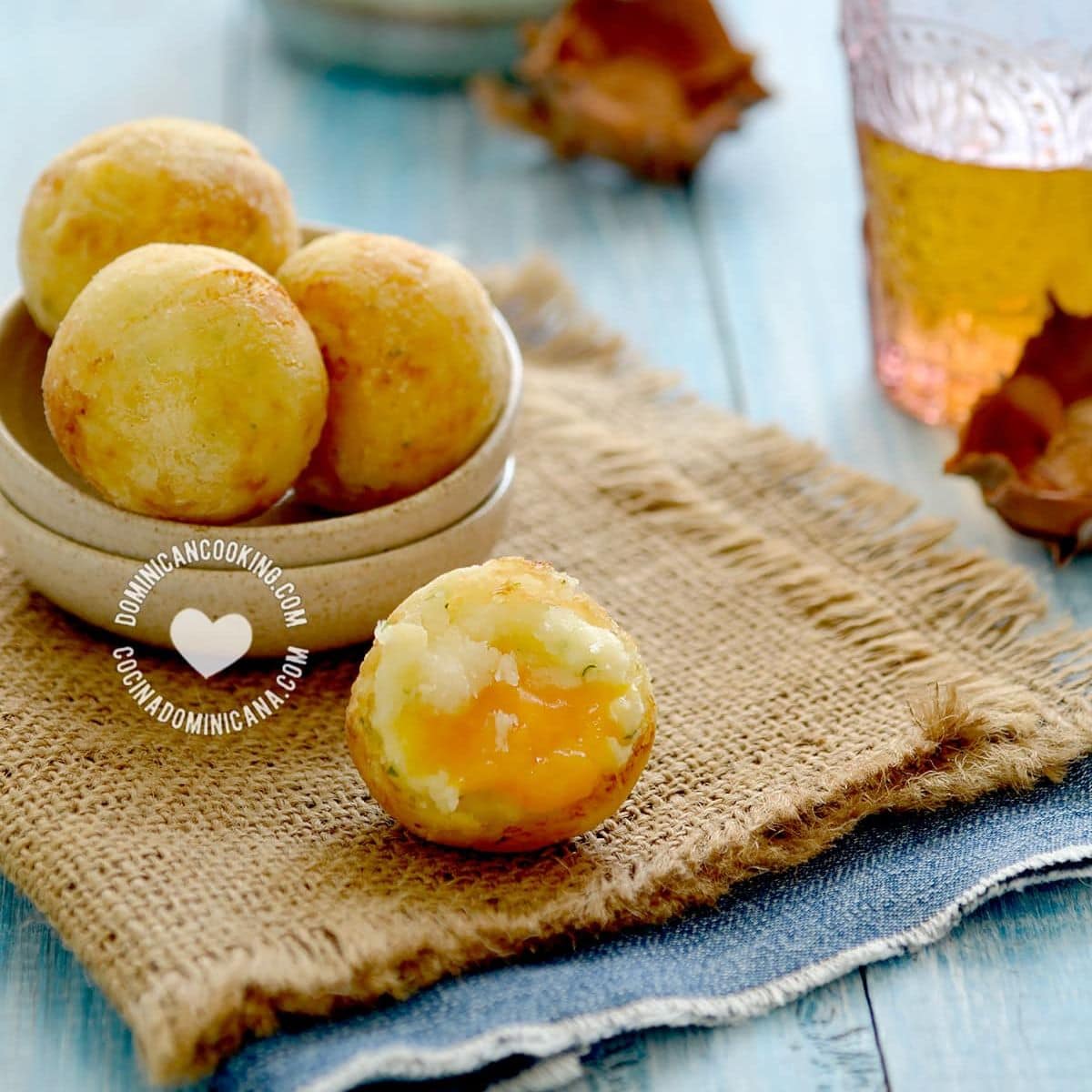 Medium
📜 Story
Medium
📜 Story
Bollitos de Yuca
Fried Yuca and Cheese Balls
Snack time or appetizer Easy
📜 Story
Easy
📜 Story
Chicharron de Pollo
Dominican Fried Chicken Bites
Lunch, dinner, or snack time
Comments (0)
Log in to leave a comment.
No comments yet. Be the first to share your thoughts!