
Lamb pieces cooked with fragrant rice, caramelized onions, cumin, and cardamom. Djibouti's celebration rice dish.
Instructions
-
1
Season the lamb pieces with salt, pepper, cumin, and coriander. Heat two tablespoons of vegetable oil in a large heavy pot over medium-high heat. Brown the lamb on all sides for eight minutes until deeply caramelized. Remove and set aside.
-
2
In the same pot, add the diced onion and cook for five minutes until softened. Add the minced garlic, cinnamon, and cardamom, stirring for one minute. Add the chopped tomatoes and tomato paste, cooking for four minutes until the tomatoes break down into a thick, fragrant sauce.
-
3
Return the browned lamb to the pot and add enough water or broth to cover the meat by three centimetres. Bring to a boil, then reduce to a gentle simmer. Cover and cook for one hour until the lamb is very tender and the broth is rich and flavourful.
-
4
Remove the lamb pieces from the broth and set aside, keeping warm. Measure the remaining broth and add water if needed to make three cups. Add the rinsed rice to the broth, stir once, and bring to a boil. Cover tightly and reduce heat to the lowest setting.
-
5
Cook the rice for eighteen minutes without lifting the lid. Meanwhile, heat the remaining tablespoon of oil in a skillet and fry the thinly sliced onion over medium heat for twelve minutes, stirring frequently, until deeply golden and crispy. These caramelized onions are a defining garnish.
-
6
When the rice is done, fluff gently with a fork. Arrange the rice on a large serving platter, place the tender lamb pieces on top, and scatter the crispy caramelized onions over everything. Garnish with fresh cilantro and serve family-style as the centrepiece of the meal.
Did You Know?
Skoudehkaris shows the Yemeni influence on Djiboutian cuisine, arriving with centuries of trade.
The Story Behind Skoudehkaris
The Story: Skoudehkaris is Djibouti's national rice dish, a fragrant one-pot preparation of basmati rice cooked with lamb or goat, onions, tomatoes, and a rich blend of cumin, cardamom, cinnamon, and cloves. The dish reflects the Indian Ocean spice trade that connected the Horn of Africa to Arabia and South Asia for centuries. The name itself suggests Arabic linguistic roots, and the cooking technique closely mirrors the layered rice pilafs found across the Arabian Peninsula and East Africa. Skoudehkaris represents the fusion of nomadic meat traditions with the refined rice cookery introduced by Arab merchants.
On the Calendar: Skoudehkaris is the centerpiece of Djiboutian celebrations, served at weddings, Eid al-Fitr, Eid al-Adha, and family gatherings. It is also a common Friday lunch dish, prepared in generous quantities to feed extended family.
Then & Now: The dish remains remarkably consistent in its preparation, though modern cooks may use pressure cookers to reduce cooking time. In the diaspora, Djiboutian families prepare skoudehkaris as a connection to home and identity.
Legacy: Skoudehkaris is the dish that brings Djiboutian families together, a fragrant mountain of rice and meat that transforms any gathering into a celebration.
More Djiboutian Dishes
 Easy
📜 Story
Easy
📜 Story
Baguette Djiboutienne
Djiboutian-Style Baguette Sandwich
Breakfast or lunch
Medium
📜 Story
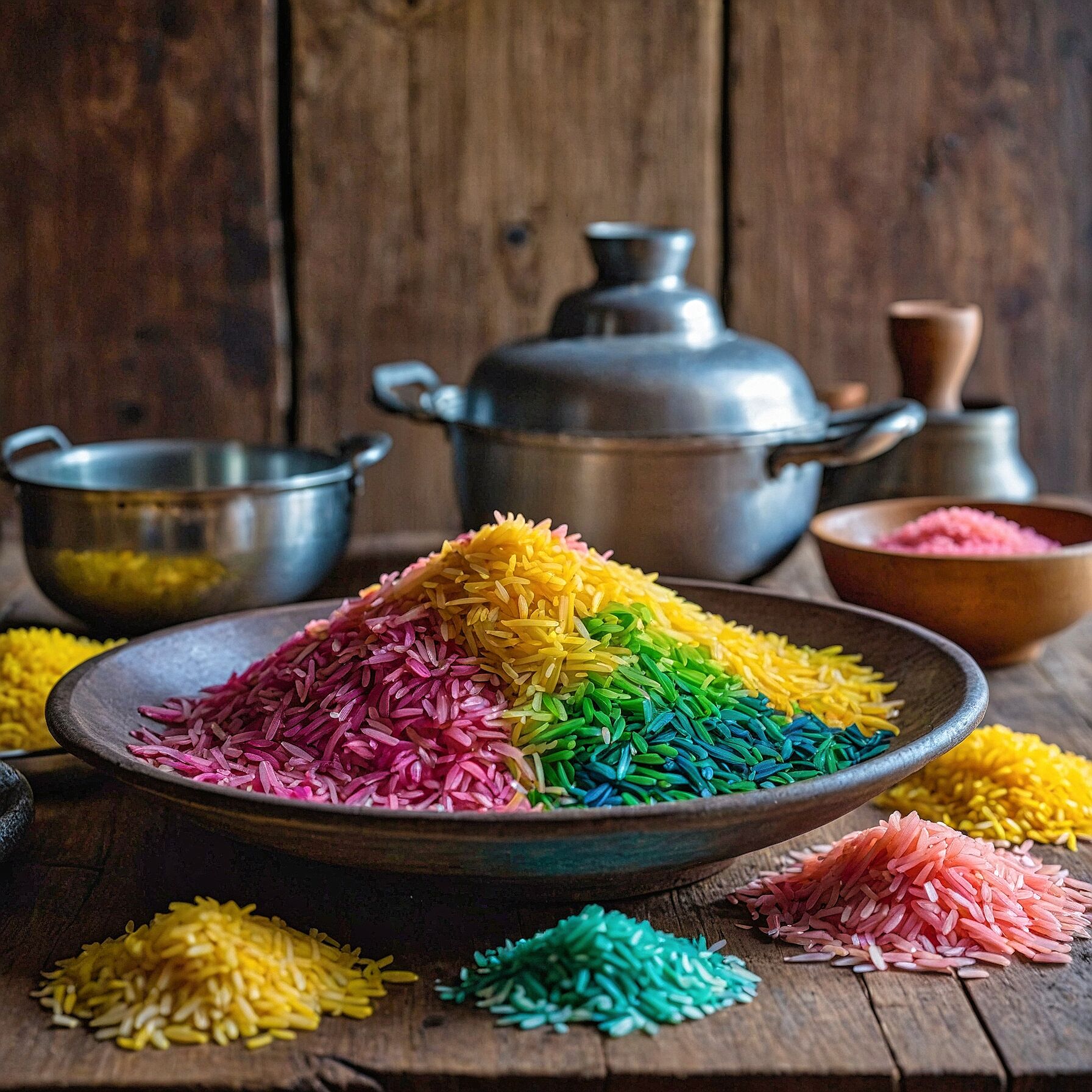
Bariis Iskukaris
Djiboutian Spiced Rice
Lunch or celebrations Easy
📜 Story
Easy
📜 Story
Caano Geel
Fermented Camel Milk
Any time, especially hot weather Easy
📜 Story
Easy
📜 Story
Cambulo
Sweet Adzuki Bean Porridge
Breakfast or dessert
Comments (0)
Log in to leave a comment.
No comments yet. Be the first to share your thoughts!