Fresh camel milk naturally fermented into a tangy, slightly effervescent drink with a creamy texture. This traditional beverage is prized for its cooling properties in the extreme Djiboutian heat.
Nutrition & Info
Allergen Warnings
Equipment Needed
Presentation Guide
Vessel: traditional gourd or glass
Accompaniments: dates
Instructions
-
1
Pour fresh camel milk into a clean traditional gourd or glass jar, filling it three-quarters full to allow space for fermentation gases.
-
2
Cover the container loosely with a clean cloth to allow airflow while keeping out insects and debris.
-
3
Leave at room temperature for twelve to twenty-four hours. In Djibouti's hot climate, fermentation happens quickly, producing a tangy, slightly fizzy drink.
-
4
Check the milk periodically by tasting. When it reaches the desired level of tanginess and has thickened slightly, it is ready to drink.
-
5
Serve chilled or at room temperature. Strain through a cloth if a smoother texture is preferred. The drink becomes more sour the longer it ferments.
Did You Know?
Camel milk has three times more vitamin C than cow milk and is naturally lower in fat, making it one of the most nutritious milks available in desert environments.
Chef's Notes
Equipment Tips
- clean gourd or jar
- cloth cover
- cups
- strainer
Accompaniments
dates
The Story Behind Caano Geel
Caano geel has sustained Djiboutian nomads for millennia. In the harsh deserts of the Afar Triangle, where temperatures can exceed 50C, fresh water is scarce but camels continue to produce milk even in extreme drought. Fermented camel milk provided not only hydration and nutrition but also beneficial probiotics that aided digestion. The traditional fermentation vessel, a smoked gourd called a haan, imparts a distinctive flavor that modern containers cannot replicate.
More Djiboutian Dishes
 Easy
📜 Story
Easy
📜 Story
Baguette Djiboutienne
Djiboutian-Style Baguette Sandwich
Breakfast or lunch
Medium
📜 Story
Bariis Iskukaris
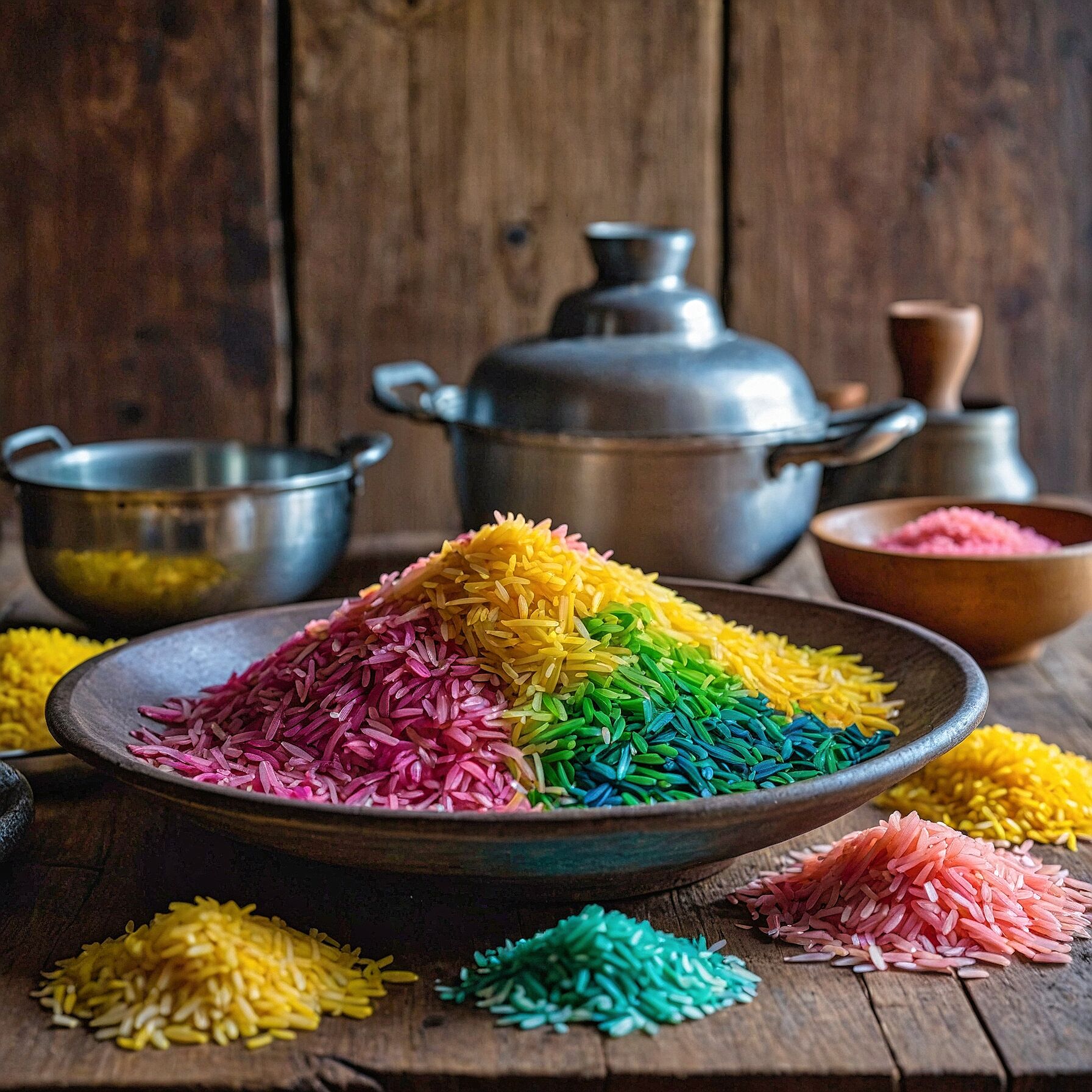
Djiboutian Spiced Rice
Lunch or celebrations Easy
📜 Story
Easy
📜 Story
Cambulo
Sweet Adzuki Bean Porridge
Breakfast or dessert Medium
📜 Story
Medium
📜 Story
Canjero iyo Suqaar
Flatbread with Diced Meat
Lunch or dinner
Comments (0)
Log in to leave a comment.
No comments yet. Be the first to share your thoughts!