
Pounded cassava leaves simmered with palm oil, garlic, and dried fish into a thick, flavorful green stew.
Nutrition & Info
Allergen Warnings
Equipment Needed
Presentation Guide
Instructions
-
1
If using fresh cassava leaves, wash them thoroughly and pound or blend into a fine paste. If using frozen pre-shredded leaves, thaw completely and squeeze out excess water. The leaves must be very finely processed for proper texture.
-
2
Place the processed cassava leaves in a large pot with two cups of water. Bring to a boil over high heat, then reduce to medium and cook for thirty minutes, stirring occasionally. The long cooking is essential to remove natural bitterness.
-
3
While the leaves cook, heat the palm oil in a separate pan over medium heat. Saute the diced onion until golden, about six minutes, then add the minced garlic and scotch bonnet peppers, cooking for two more minutes until fragrant.
-
4
Add the ground dried shrimp and the crumbled bouillon cube to the onion mixture, stirring well to combine. Cook for three minutes to allow the dried shrimp to release its smoky flavour into the aromatic oil base.
-
5
Pour the aromatic oil and onion mixture into the pot with the cooked cassava leaves. Add the ground roasted peanuts and the flaked smoked fish if using. Stir everything together thoroughly to distribute all the flavouring elements evenly.
-
6
Reduce the heat to low, cover the pot, and simmer the saka-saka for an additional thirty to forty minutes, stirring every ten minutes to prevent sticking on the bottom. The stew should become thick, dark green, and richly flavoured.
-
7
Taste and adjust seasoning with salt as needed. The finished saka-saka should be thick enough to hold its shape on a plate. Serve hot alongside fufu, steamed rice, or chikwanga as a hearty and nutritious main course.
Did You Know?
Saka saka is eaten daily across both Congos and is the ultimate comfort food of Central Africa.
Chef's Notes
Equipment Tips
- large pot
- mortar and pestle
- wooden spoon
Garnishing
palm oil
Accompaniments
The Story Behind Saka Saka
The Story: Saka saka (also known as pondu) is the Republic of Congo's most fundamental sauce: cassava leaves pounded smooth and simmered for hours with palm oil, garlic, onions, dried fish or smoked fish, and sometimes peanut paste until the greens break down into a thick, dark, intensely flavored sauce. The dish requires extended cooking (minimum two to three hours) to soften the tough cassava leaves and develop the complex flavors. Saka saka is served over fufu, rice, or cassava bread and is considered the dish that most purely represents Congolese home cooking.
On the Calendar: Saka saka is everyday food, prepared in large batches that feed the family across multiple meals. It appears at the table with the regularity of bread in a French household.
Then & Now: Frozen and pre-pounded cassava leaves have simplified preparation in urban areas and in the diaspora. However, the long cooking time remains essential and cannot be shortened without sacrificing flavor.
Legacy: Saka saka is the Republic of Congo's most honest dish, a sauce that transforms tough cassava leaves into velvet through nothing more than time, palm oil, and a mother's patience.
More Congolese (Republic) Dishes
 Easy
📜 Story
Easy
📜 Story
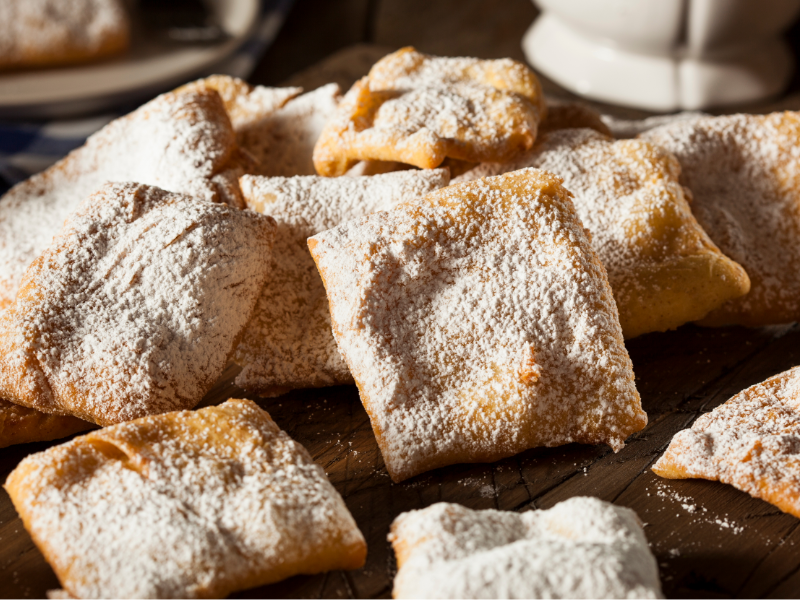
Beignets de Banane
Banana Fritters
Afternoon snack or dessert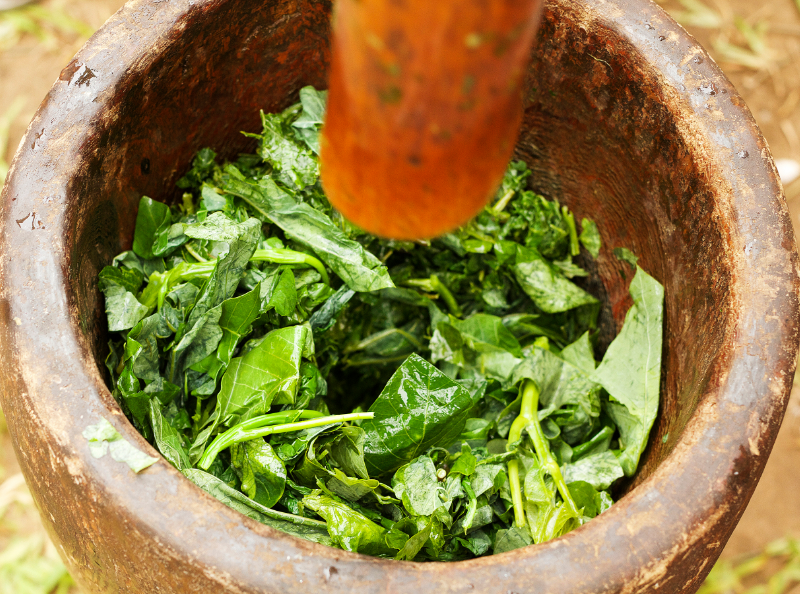 Easy
📜 Story
Easy
📜 Story
Bouillon de Legumes
Congolese Vegetable Soup
Lunch or light dinner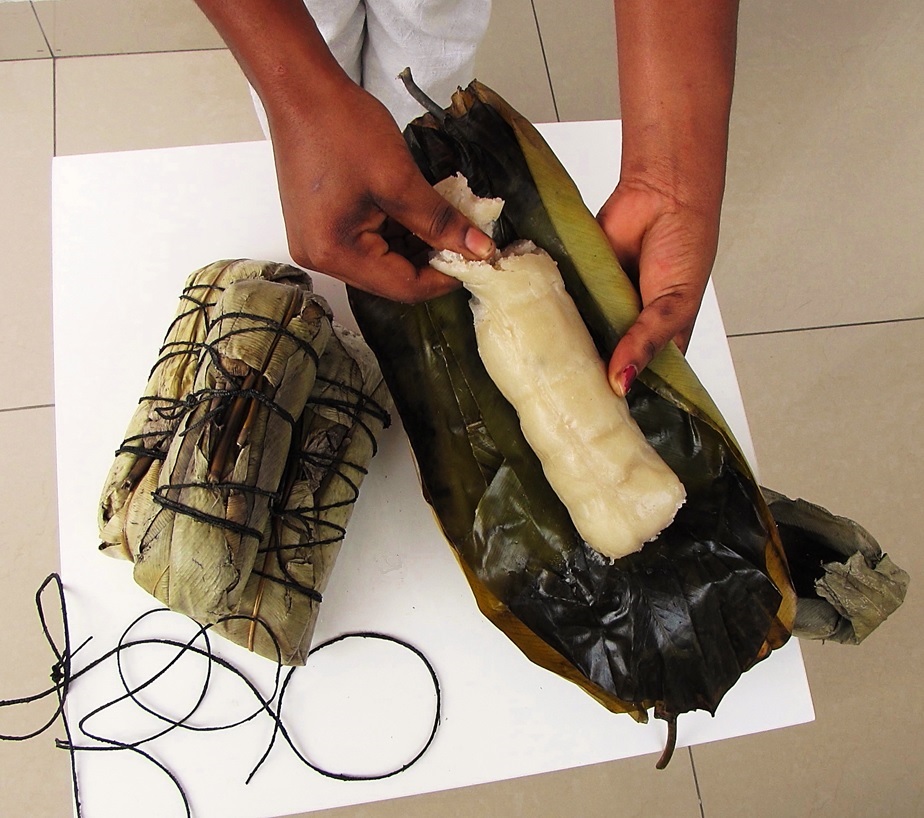 Hard
📜 Story
Hard
📜 Story
Chikwanga
Fermented Cassava Bread
Daily staple with meals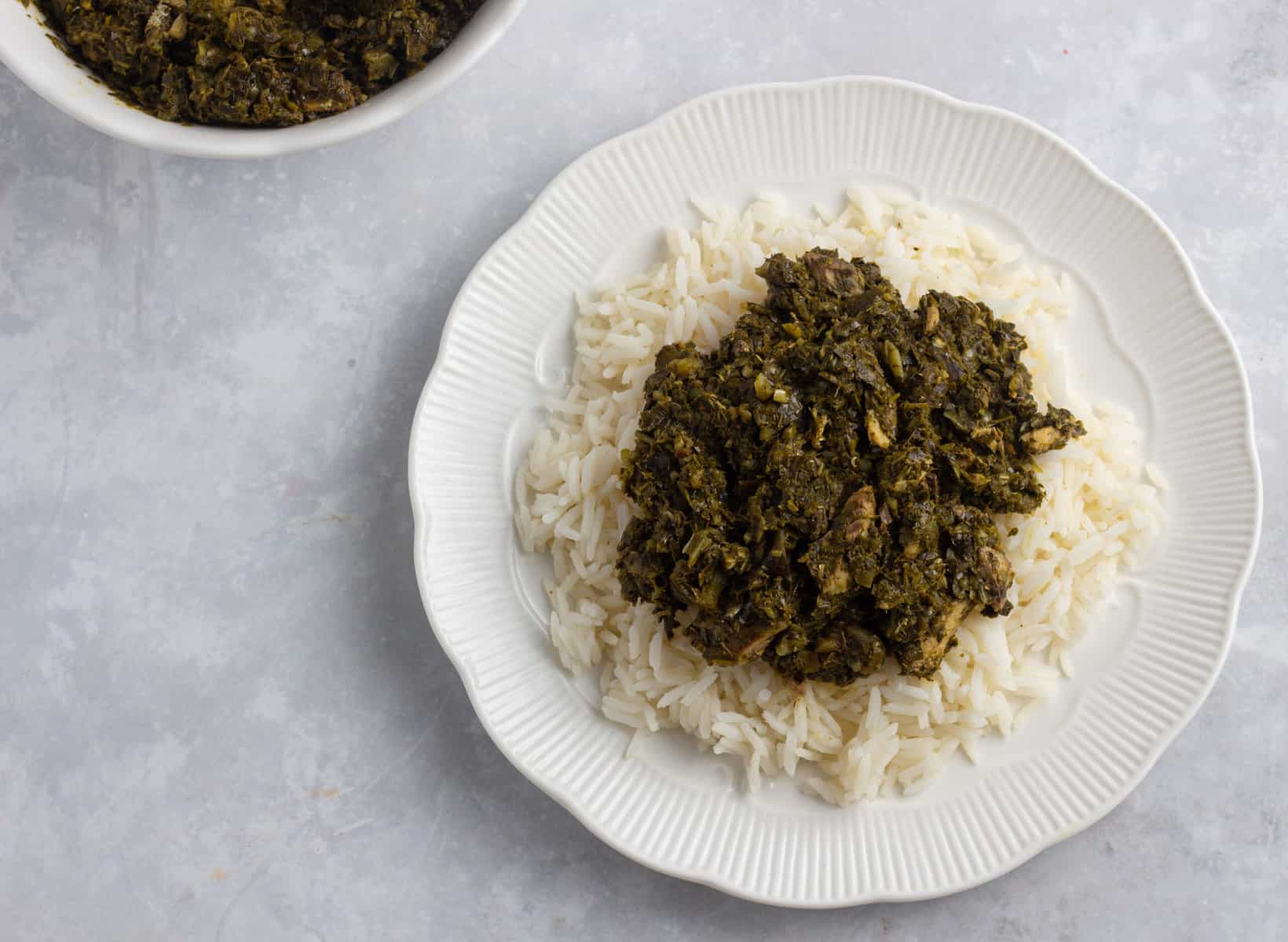 Medium
📜 Story
Medium
📜 Story
Feuilles de Manioc au Poisson
Cassava Leaves with Fish
Lunch or dinner
Comments (0)
Log in to leave a comment.
No comments yet. Be the first to share your thoughts!