
Ragout de Boeuf Congolais
Ragout de Boeuf (rah-GOO deh buff)
Congolese Beef Stew
A rich, slow-cooked beef stew simmered with tomatoes, carrots, potatoes, and aromatic spices in a palm oil base. This French-influenced Congolese classic is comfort food at its finest.
Nutrition & Info
Equipment Needed
Instructions
-
1
Season beef with salt and pepper. Heat palm oil in a Dutch oven over high heat. Brown beef in batches, getting deep color on all sides, about eight minutes total.
-
2
Remove beef and saute onions for five minutes. Add garlic and cook one minute. Add diced tomatoes and cook five minutes until they start to break down.
-
3
Return beef to the pot. Add bay leaves, thyme, and beef stock. Bring to a boil, then reduce heat to low, cover, and simmer for one hour.
-
4
Add sliced carrots and cubed potatoes to the pot. Stir gently, cover, and continue simmering for thirty more minutes until vegetables are tender.
-
5
Remove the lid and simmer uncovered for fifteen minutes to allow the sauce to thicken and concentrate. Discard bay leaves.
-
6
Serve hot in deep plates, garnished with fresh parsley. Accompany with steamed rice or crusty French bread.
Did You Know?
The Congolese ragout is a perfect example of culinary fusion, combining French stewing technique with African palm oil and the bold flavors of Central African spice preferences.
Chef's Notes
Equipment Tips
- large Dutch oven
- wooden spoon
- sharp knife
- cutting board
The Story Behind Ragout de Boeuf Congolais
Ragout de boeuf in the Republic of Congo is a direct legacy of French colonial influence, adapted and transformed by Congolese cooks who substituted local palm oil for butter, added scotch bonnet peppers for heat, and adjusted the flavor profile to suit local tastes. The result is a dish that is simultaneously recognizable as a French stew and unmistakably Congolese.
More Congolese (Republic) Dishes
 Easy
📜 Story
Easy
📜 Story
Beignets de Banane
Banana Fritters
Afternoon snack or dessert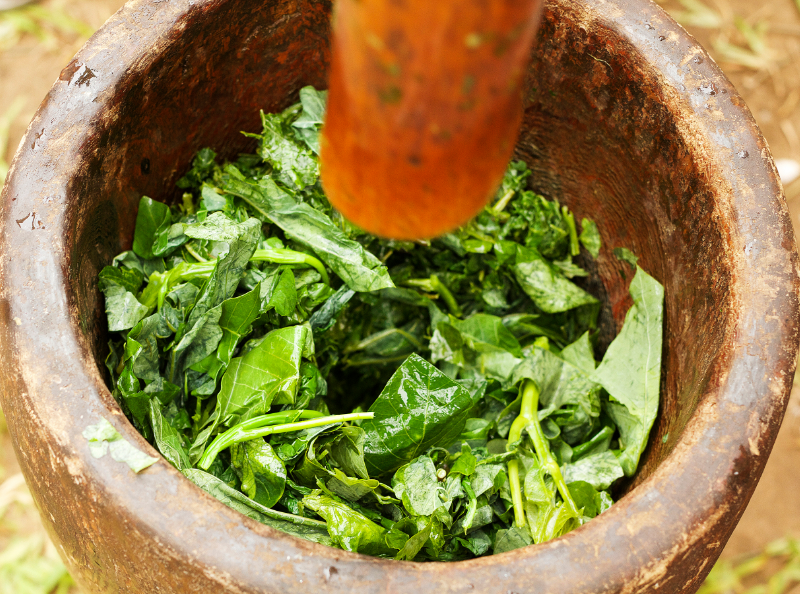 Easy
📜 Story
Easy
📜 Story
Bouillon de Legumes
Congolese Vegetable Soup
Lunch or light dinner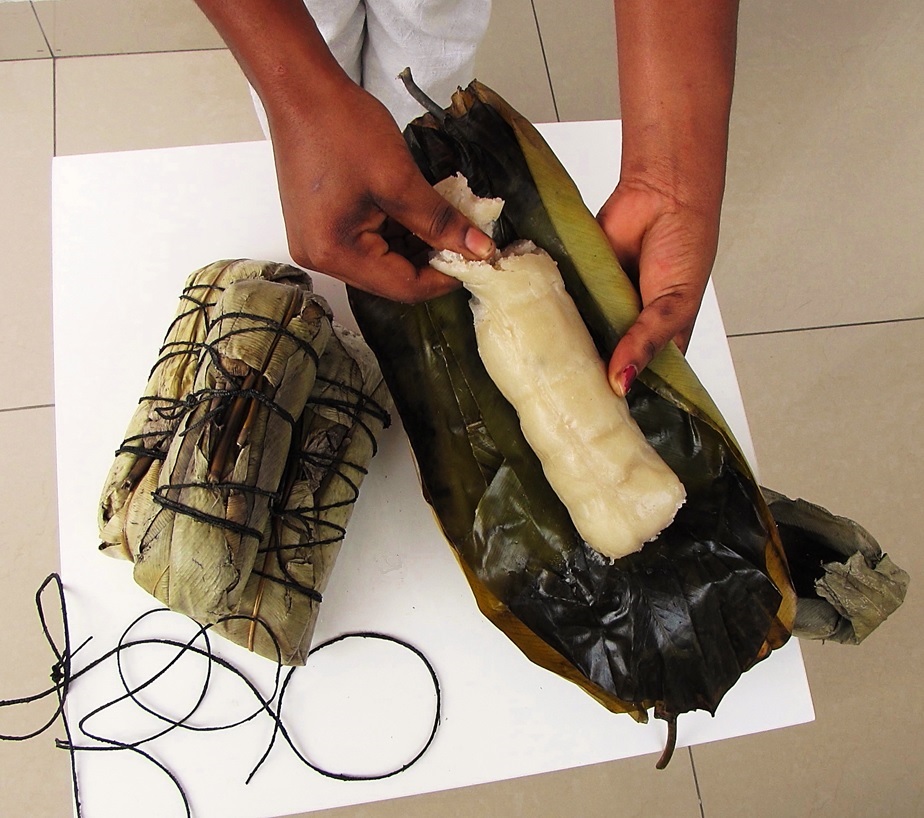 Hard
📜 Story
Hard
📜 Story
Chikwanga
Fermented Cassava Bread
Daily staple with meals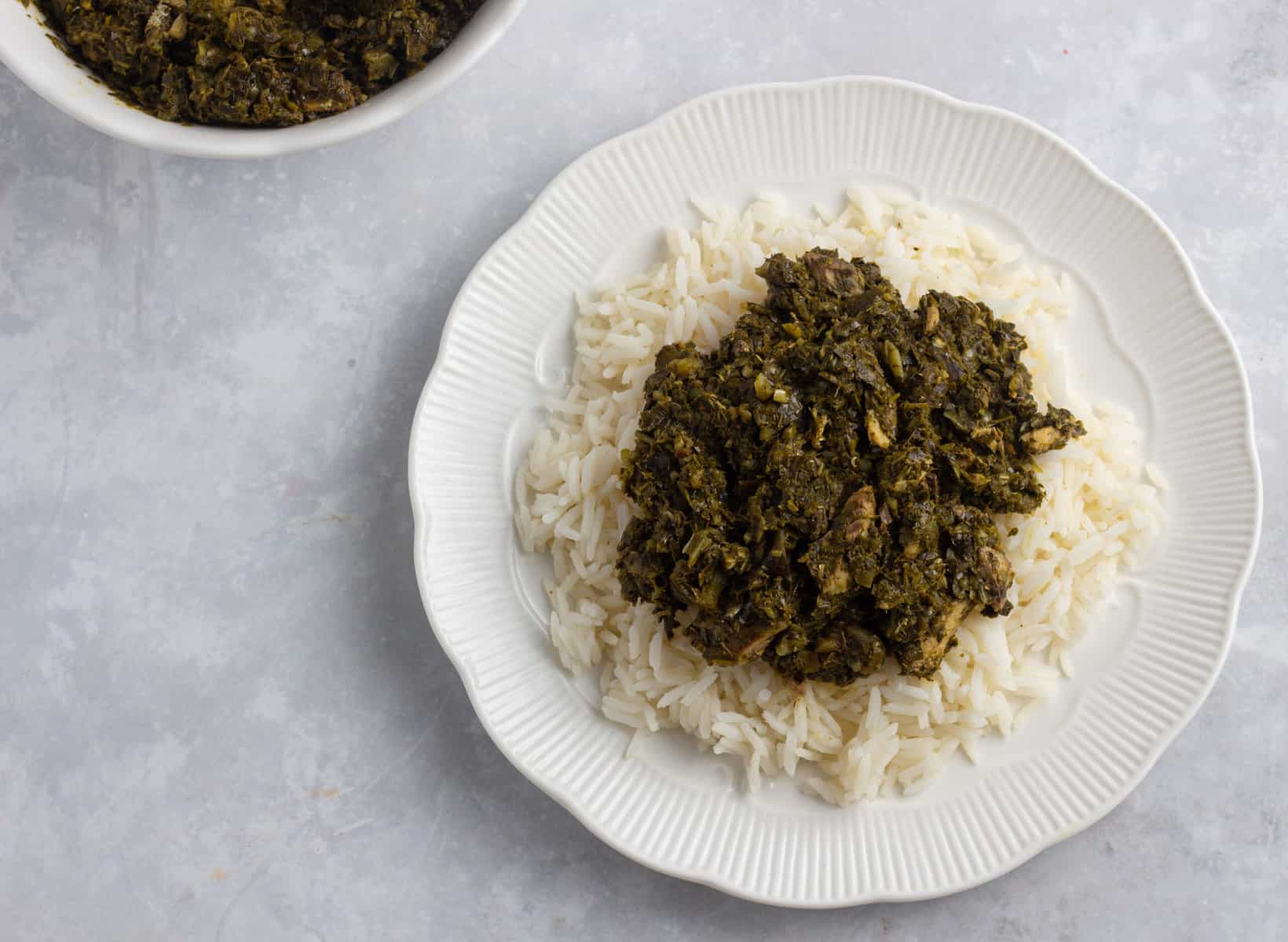 Medium
📜 Story
Medium
📜 Story
Feuilles de Manioc au Poisson
Cassava Leaves with Fish
Lunch or dinner
Comments (0)
Log in to leave a comment.
No comments yet. Be the first to share your thoughts!