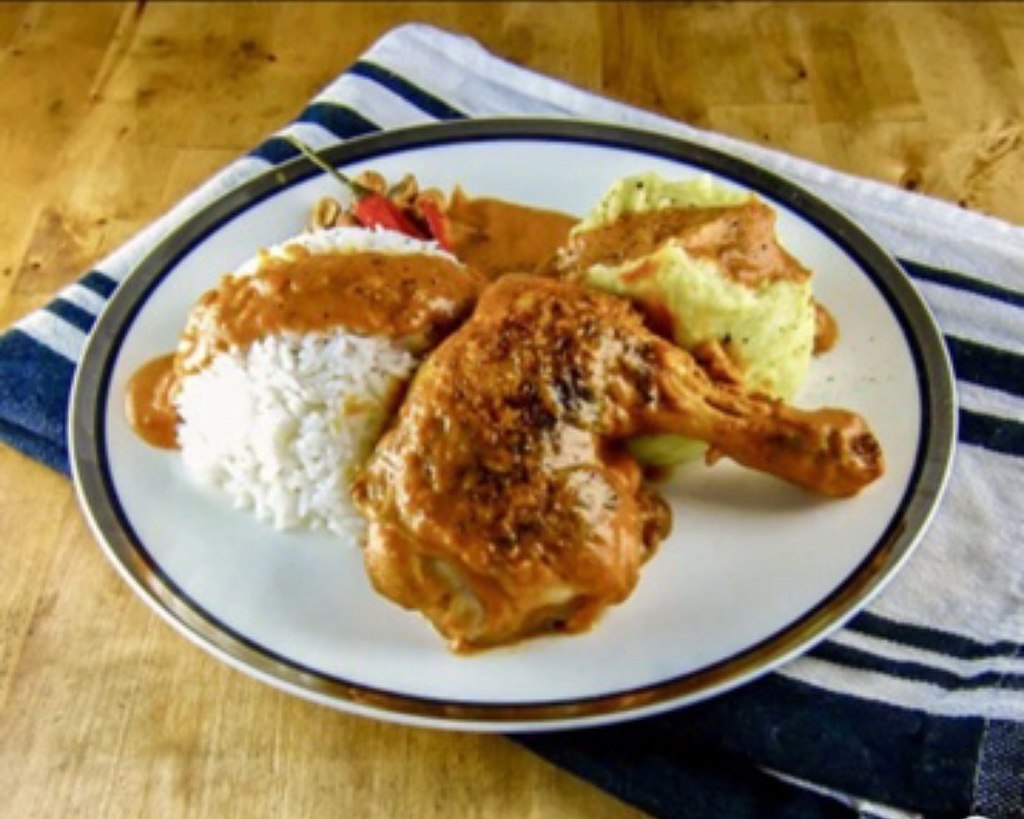
Poisson Mwambe
Poisson Mwambe (pwah-SOHN mwahm-BAY)
Fish in Palm Nut Sauce
Fresh river fish simmered in a luscious palm nut sauce with tomatoes, onions, and chili. This beloved Congolese dish showcases the marriage of freshwater fish and palm oil that defines the cuisine.
Nutrition & Info
Allergen Warnings
Equipment Needed
Instructions
-
1
Season fish with lemon juice, salt, and a pinch of pepper. Let it marinate for fifteen minutes while you prepare the sauce ingredients.
-
2
Heat vegetable oil in a large skillet. Saute sliced onions for five minutes until translucent, then add garlic and cook one minute more.
-
3
Add chopped tomatoes and whole scotch bonnet peppers. Cook for eight minutes until the tomatoes collapse into a rich, thick base.
-
4
Stir in the palm nut cream with one cup of water. Mix until smooth and bring to a gentle simmer, stirring occasionally to prevent sticking.
-
5
Nestle the seasoned fish into the simmering sauce. Cover and cook on low heat for fifteen minutes until fish is flaky and cooked through.
-
6
Garnish with fresh parsley and serve hot over white rice or alongside fufu to soak up the rich palm nut sauce.
Did You Know?
Congo River fishermen have traditionally traded their daily catch directly for palm nuts from riverside villages, creating a natural barter economy that produces this classic dish.
Chef's Notes
Equipment Tips
- large skillet with lid
- sharp knife
- cutting board
- wooden spoon
The Story Behind Poisson Mwambe
Poisson Mwambe represents the quintessential Congolese combination of freshwater fish from the mighty Congo River and the rich palm nut sauce that is the backbone of Central African cooking. River fishing communities along the Congo and its tributaries have prepared variations of this dish for generations, with each village claiming superiority for their particular preparation method.
More Congolese (Republic) Dishes
 Easy
📜 Story
Easy
📜 Story
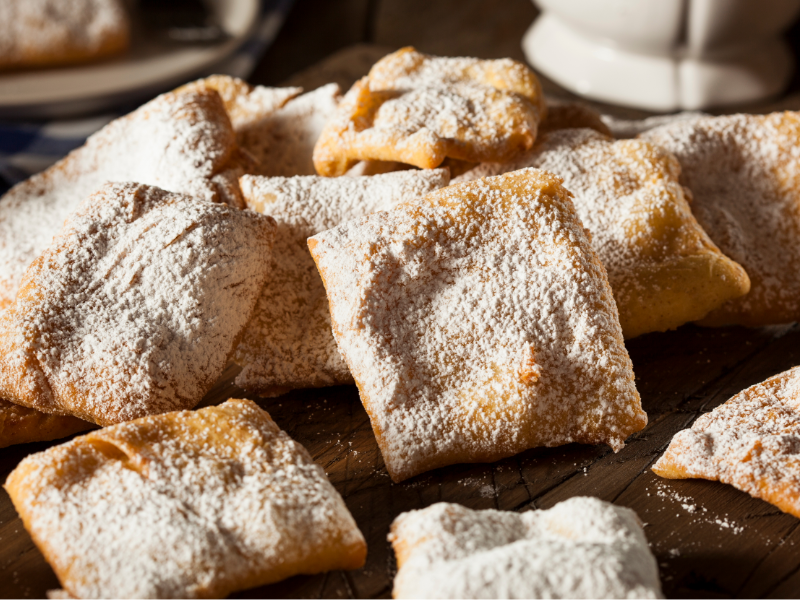
Beignets de Banane
Banana Fritters
Afternoon snack or dessert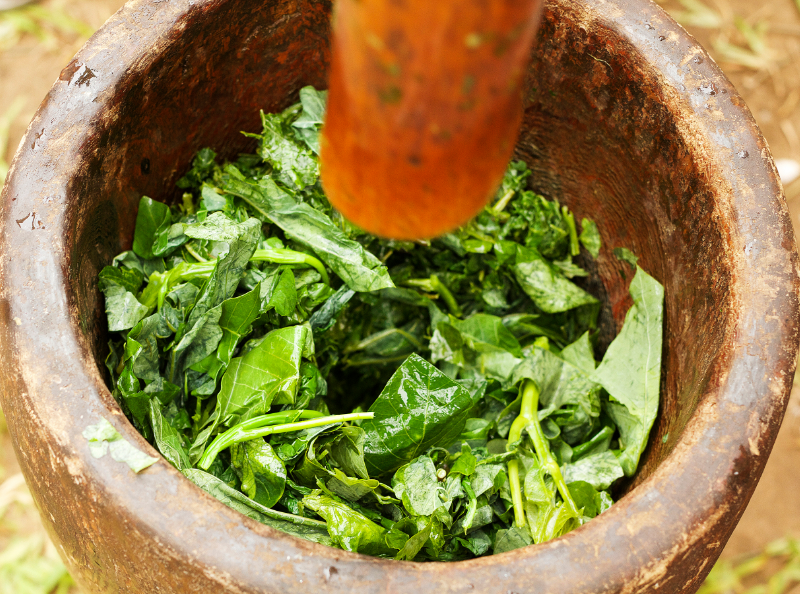 Easy
📜 Story
Easy
📜 Story
Bouillon de Legumes
Congolese Vegetable Soup
Lunch or light dinner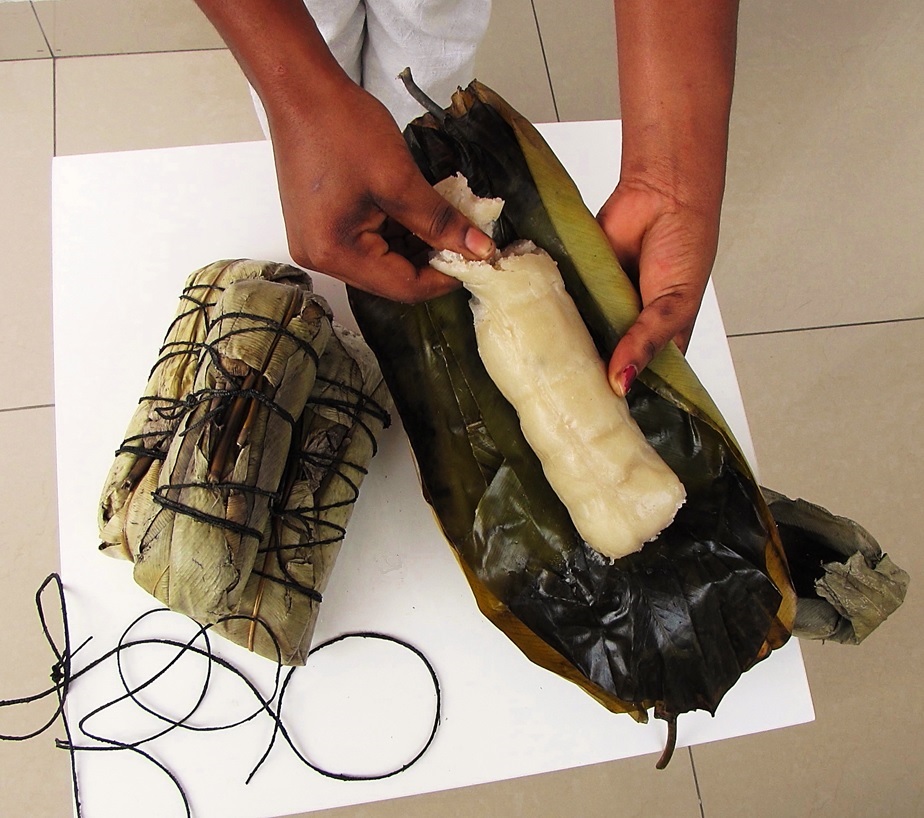 Hard
📜 Story
Hard
📜 Story
Chikwanga
Fermented Cassava Bread
Daily staple with meals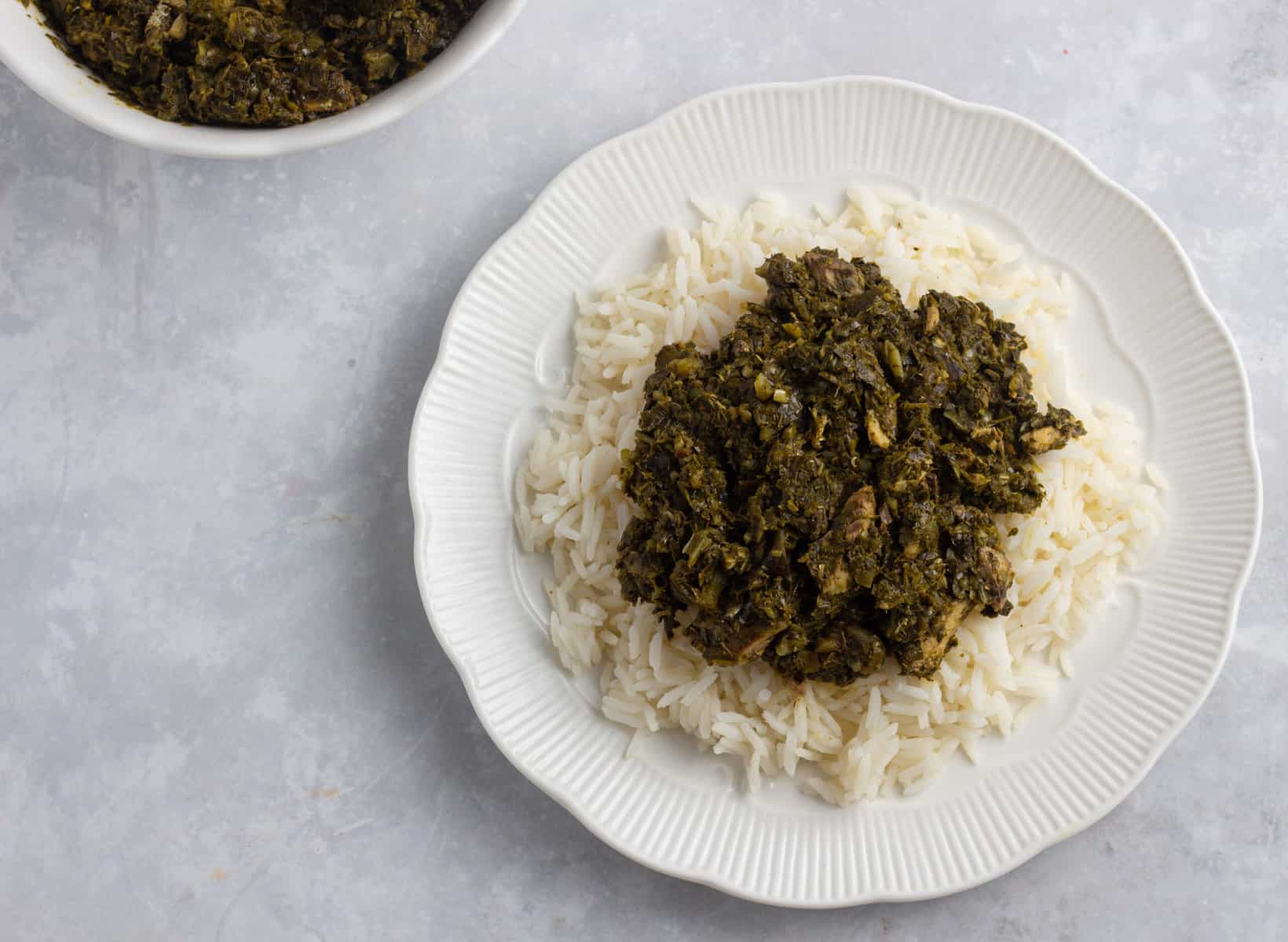 Medium
📜 Story
Medium
📜 Story
Feuilles de Manioc au Poisson
Cassava Leaves with Fish
Lunch or dinner
Comments (0)
Log in to leave a comment.
No comments yet. Be the first to share your thoughts!