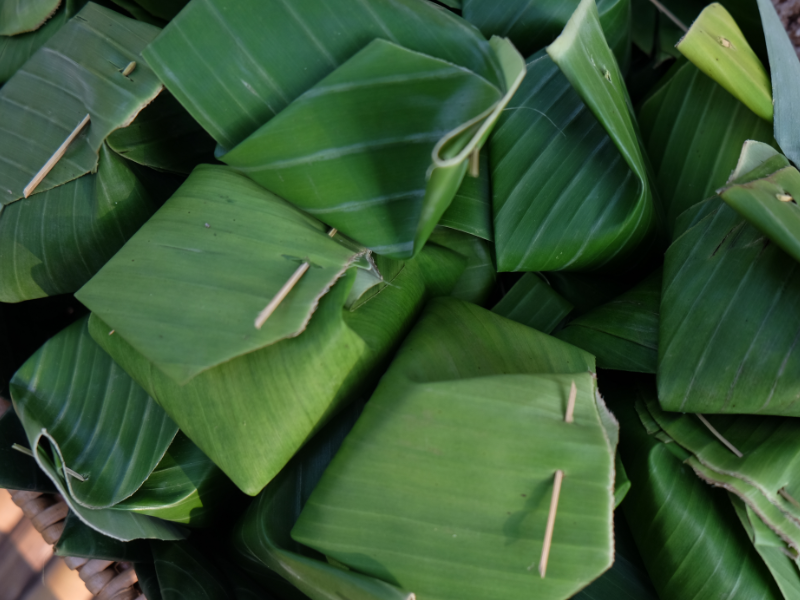
Maboke ya Ngulu
Maboke ya Ngulu (mah-BOH-kay yah n-GOO-loo)
Beef Wrapped in Banana Leaves
Seasoned beef pieces wrapped in banana leaves with tomatoes, onions, and spices, then steamed until tender and infused with smoky leaf aromas. A classic Congolese banana leaf preparation.
Nutrition & Info
Equipment Needed
Instructions
-
1
Season beef chunks with salt, black pepper, lime juice, and minced garlic. Let marinate for twenty minutes while you prepare the banana leaves and vegetables.
-
2
Soften banana leaves by passing them briefly over an open flame or blanching in hot water. Cut into large rectangular pieces suitable for wrapping.
-
3
Place a portion of beef on each banana leaf. Top with tomato slices, onion slices, scotch bonnet pepper, a drizzle of palm oil, and fresh basil.
-
4
Fold the banana leaves tightly around the beef and vegetables, creating secure parcels. Tie each parcel firmly with kitchen string to prevent opening during cooking.
-
5
Place the wrapped parcels in a steamer or large pot with a small amount of water in the bottom. Steam for one hour until the beef is completely tender.
-
6
Serve the parcels still wrapped, allowing each diner to unwrap their own at the table, releasing the incredible aromatic steam trapped inside.
Did You Know?
The tradition of cooking in banana leaves predates the use of metal pots in the Congo Basin, making it one of humanity's oldest cooking techniques still in everyday use.
Chef's Notes
Equipment Tips
- banana leaves
- kitchen string
- steamer or large pot
- sharp knife
The Story Behind Maboke ya Ngulu
Maboke is a foundational cooking technique of the Congo Basin, where banana leaves serve as both cooking vessel and flavor agent. This method was developed by forest-dwelling communities who utilized the abundant banana and plantain plants surrounding their villages. The leaves create a sealed environment that steams the meat in its own juices while imparting a subtle herbal note.
More Congolese (Republic) Dishes
 Easy
📜 Story
Easy
📜 Story
Beignets de Banane
Banana Fritters
Afternoon snack or dessert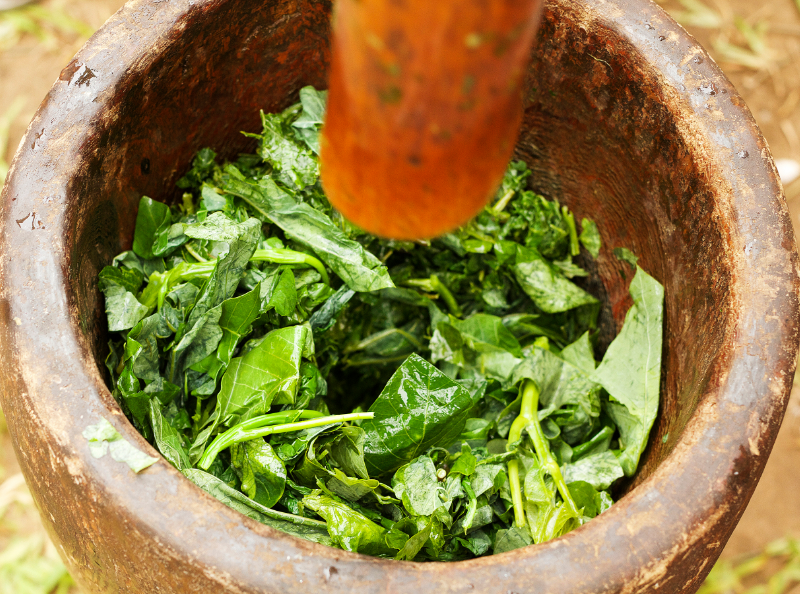 Easy
📜 Story
Easy
📜 Story
Bouillon de Legumes
Congolese Vegetable Soup
Lunch or light dinner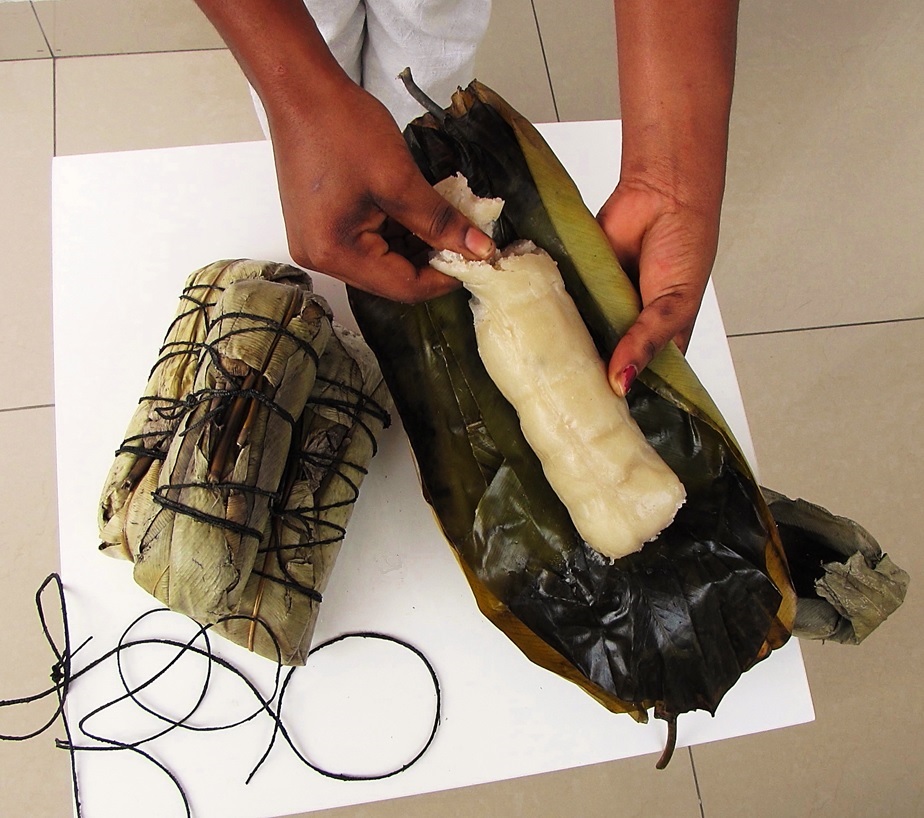 Hard
📜 Story
Hard
📜 Story
Chikwanga
Fermented Cassava Bread
Daily staple with meals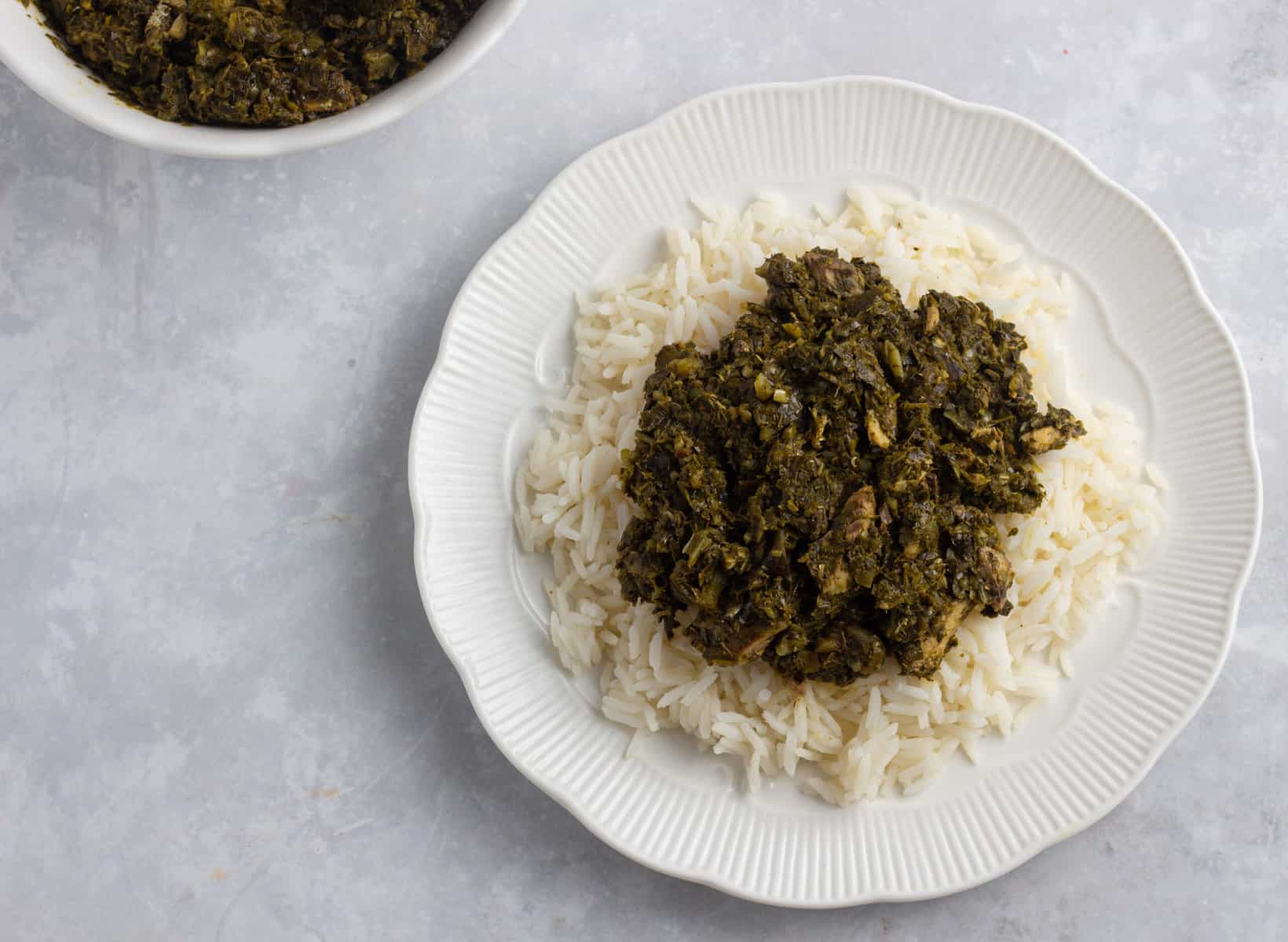 Medium
📜 Story
Medium
📜 Story
Feuilles de Manioc au Poisson
Cassava Leaves with Fish
Lunch or dinner
Comments (0)
Log in to leave a comment.
No comments yet. Be the first to share your thoughts!