
Jus de Gingembre
Jus de Gingembre (ZHOO deh zhahn-ZHAHM-bruh)
Congolese Ginger Juice
A refreshing, spicy-sweet drink made from fresh ginger root, lemon, sugar, and cold water. This invigorating Congolese beverage is served ice-cold at celebrations and as a daily refreshment.
Nutrition & Info
Equipment Needed
Instructions
-
1
Peel the ginger root and chop roughly. Blend with two cups of water in a blender until completely pureed, or grate finely on a box grater.
-
2
Strain the ginger puree through a fine mesh strainer or cheesecloth into a large pitcher, pressing firmly to extract all the spicy juice.
-
3
Add the remaining water, lemon juice, sugar, vanilla extract, and nutmeg to the ginger juice. Stir vigorously until the sugar fully dissolves.
-
4
Taste and adjust sweetness and tartness. The drink should balance the fiery heat of ginger with the sweetness of sugar and brightness of lemon.
-
5
Refrigerate for at least one hour to allow the flavors to meld and the drink to become very cold. The ginger flavor intensifies as it rests.
-
6
Serve over ice in tall glasses, garnished with fresh mint leaves. This drink is incredibly refreshing in the tropical heat of the Congo.
Did You Know?
At Congolese weddings and celebrations, jus de gingembre is often served in enormous communal bowls, and the strength of the ginger is a point of pride for the host.
Chef's Notes
Equipment Tips
- blender or grater
- fine mesh strainer or cheesecloth
- pitcher
- sharp knife
The Story Behind Jus de Gingembre
Ginger juice is one of the most popular non-alcoholic beverages across Central and West Africa, with deep roots in the Republic of Congo. Fresh ginger has been valued in African traditional medicine and cuisine for centuries, prized for both its bold flavor and believed health benefits. The drink represents the Congolese talent for transforming simple ingredients into something spectacular.
More Congolese (Republic) Dishes
 Easy
📜 Story
Easy
📜 Story
Beignets de Banane
Banana Fritters
Afternoon snack or dessert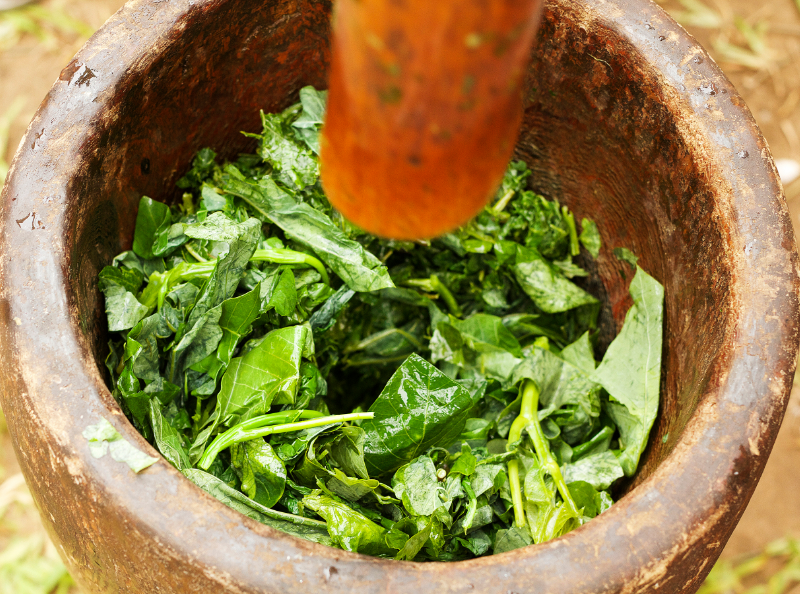 Easy
📜 Story
Easy
📜 Story
Bouillon de Legumes
Congolese Vegetable Soup
Lunch or light dinner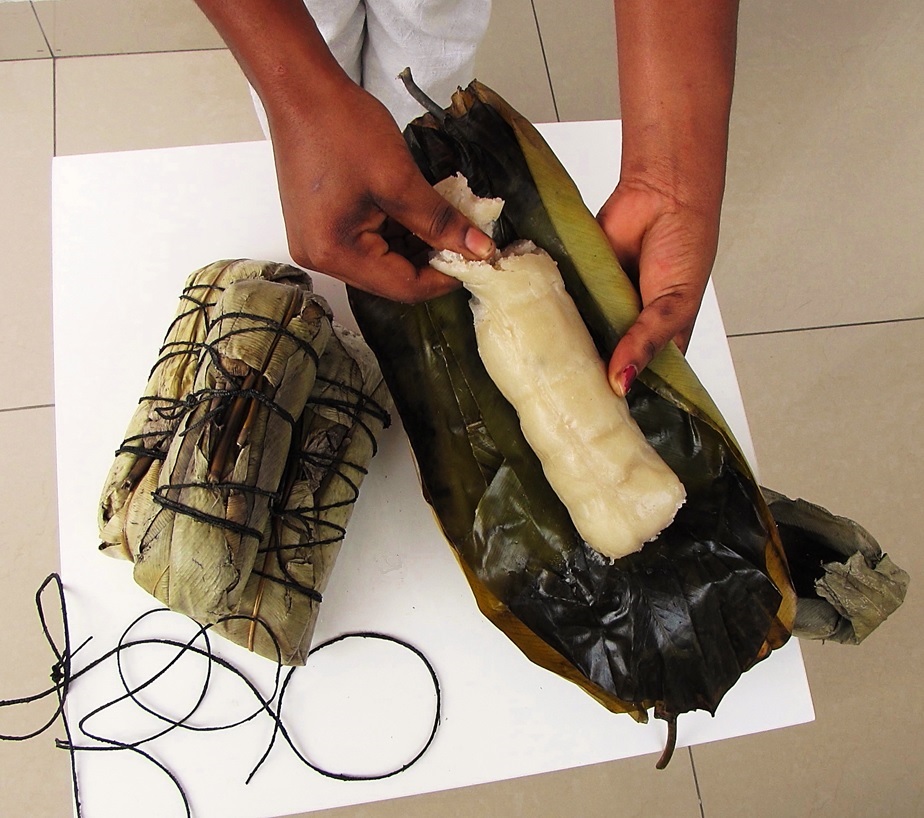 Hard
📜 Story
Hard
📜 Story
Chikwanga
Fermented Cassava Bread
Daily staple with meals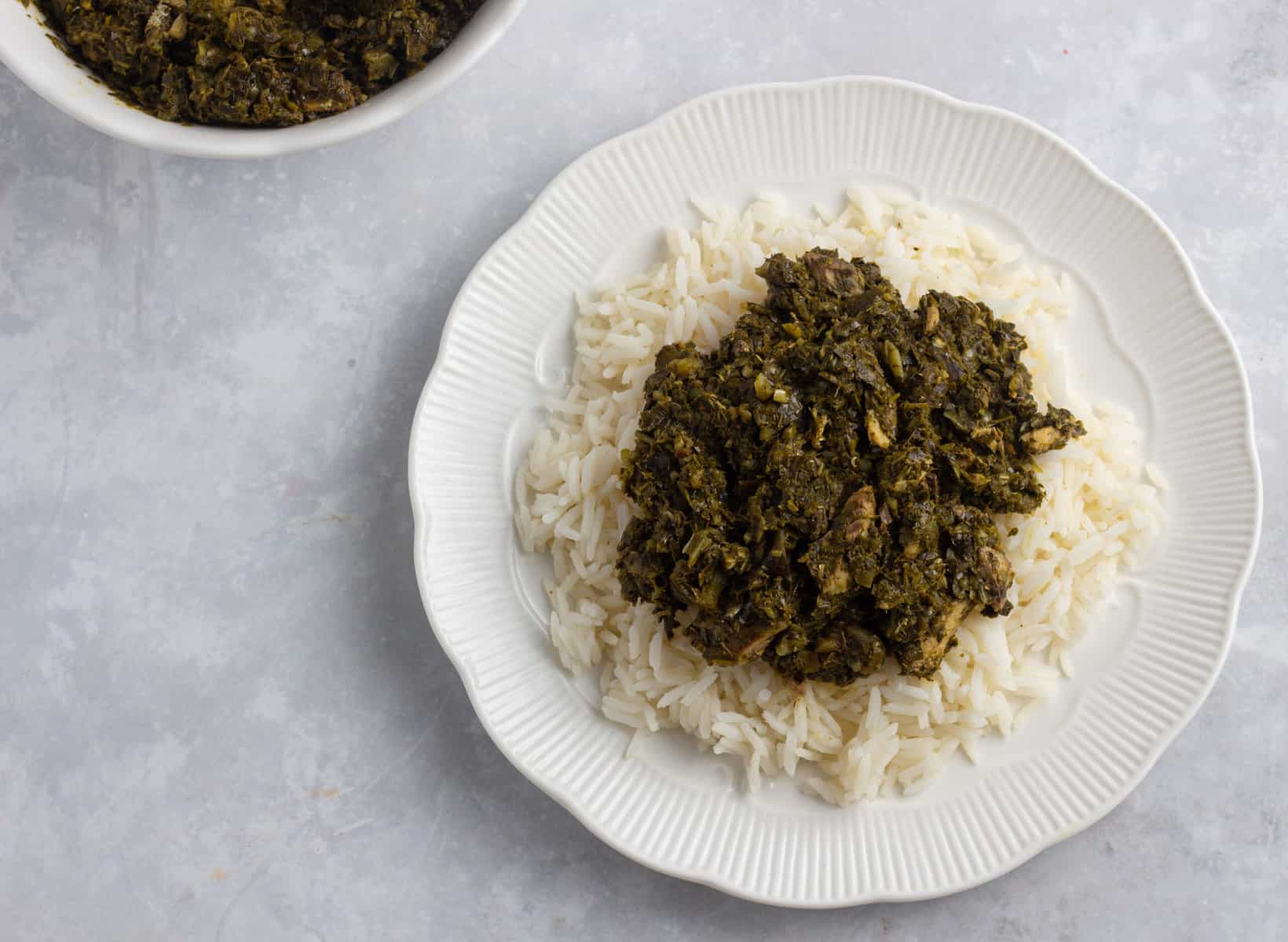 Medium
📜 Story
Medium
📜 Story
Feuilles de Manioc au Poisson
Cassava Leaves with Fish
Lunch or dinner
Comments (0)
Log in to leave a comment.
No comments yet. Be the first to share your thoughts!