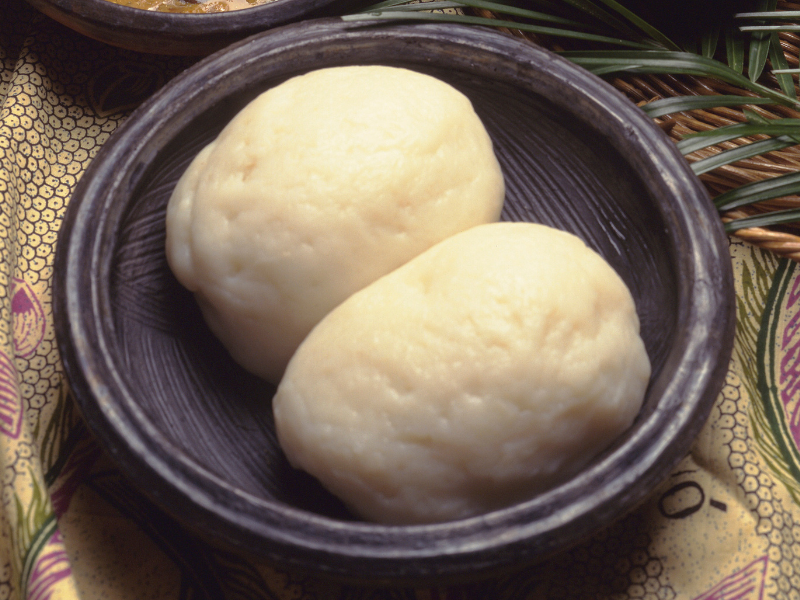
A smooth, stretchy dough made from fermented cassava, pounded until elastic and glossy. This essential Congolese staple is the perfect vessel for soaking up rich sauces and stews.
Nutrition & Info
Equipment Needed
Instructions
-
1
Peel cassava roots and cut into large chunks. Boil in a large pot of water for thirty minutes until completely soft and easily pierced with a fork.
-
2
Drain the cooked cassava thoroughly and transfer to a large mortar. Begin pounding with a pestle using strong, rhythmic strokes to break down the fibers.
-
3
Continue pounding vigorously, adding tiny splashes of warm water as needed, until the cassava transforms into a smooth, stretchy, elastic mass.
-
4
Work the fufu with wet hands, folding and kneading until it achieves a glossy, uniform consistency with no lumps remaining anywhere in the dough.
-
5
Shape the fufu into smooth round balls using wet hands. Place each ball on a plate or banana leaf for serving alongside stews and sauces.
-
6
Serve immediately while warm and pliable. Fufu is eaten by pinching off a small piece, forming an indent with the thumb, and scooping up sauce.
Did You Know?
In Brazzaville, the rhythmic sound of fufu being pounded in wooden mortars is so common that it serves as an informal neighborhood alarm clock each morning.
Chef's Notes
Equipment Tips
- large mortar and pestle or heavy pot
- wooden spoon
- large pot for boiling
The Story Behind Fufu de Manioc
Fufu de manioc is the foundational starch of Congolese cuisine, reflecting the central role cassava has played in Central African food systems for centuries. Introduced from South America by Portuguese traders in the sixteenth century, cassava thrived in the Congo Basin and quickly became the dominant crop. The pounding technique transforms the starchy root into a remarkably smooth and elastic accompaniment.
More Congolese (Republic) Dishes
 Easy
📜 Story
Easy
📜 Story
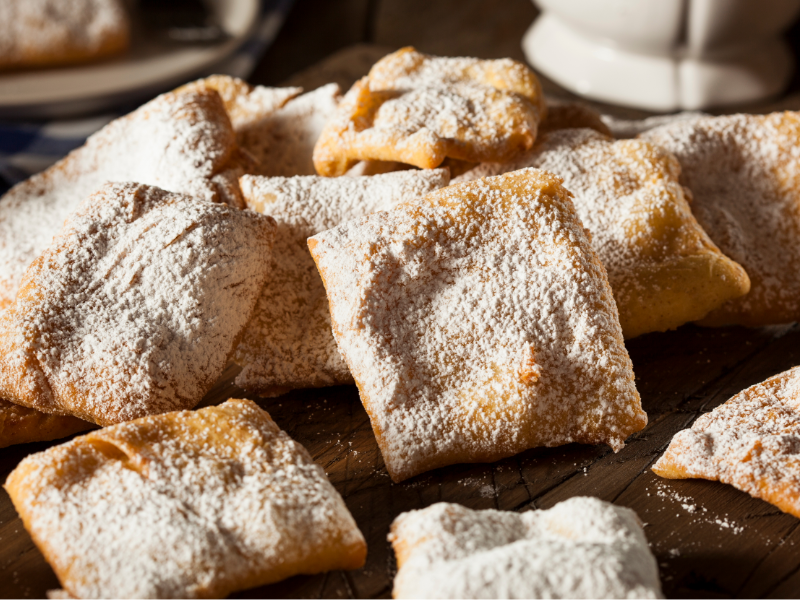
Beignets de Banane
Banana Fritters
Afternoon snack or dessert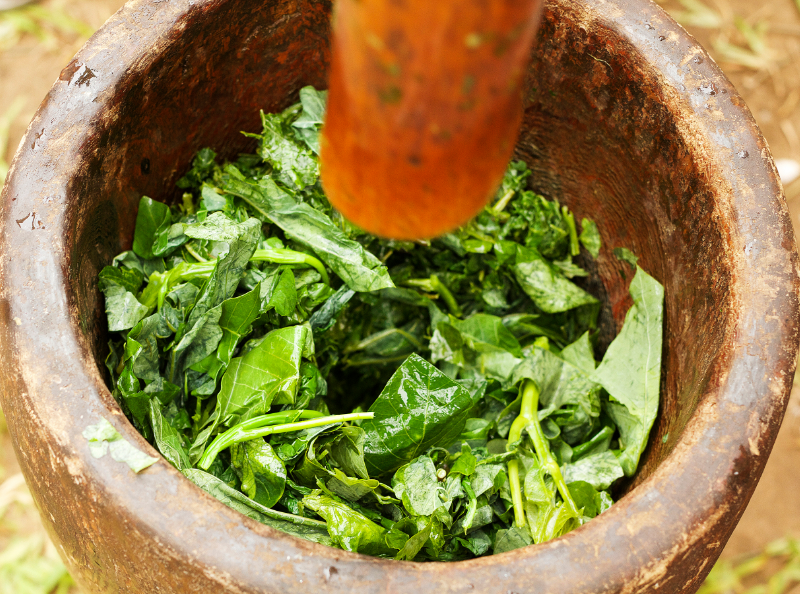 Easy
📜 Story
Easy
📜 Story
Bouillon de Legumes
Congolese Vegetable Soup
Lunch or light dinner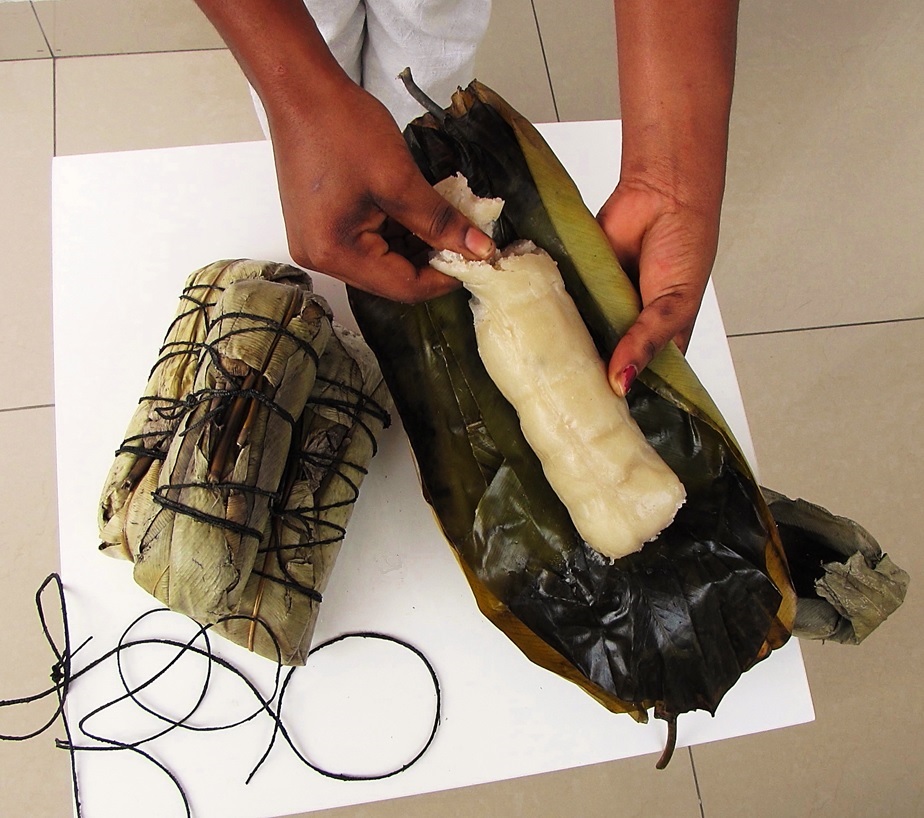 Hard
📜 Story
Hard
📜 Story
Chikwanga
Fermented Cassava Bread
Daily staple with meals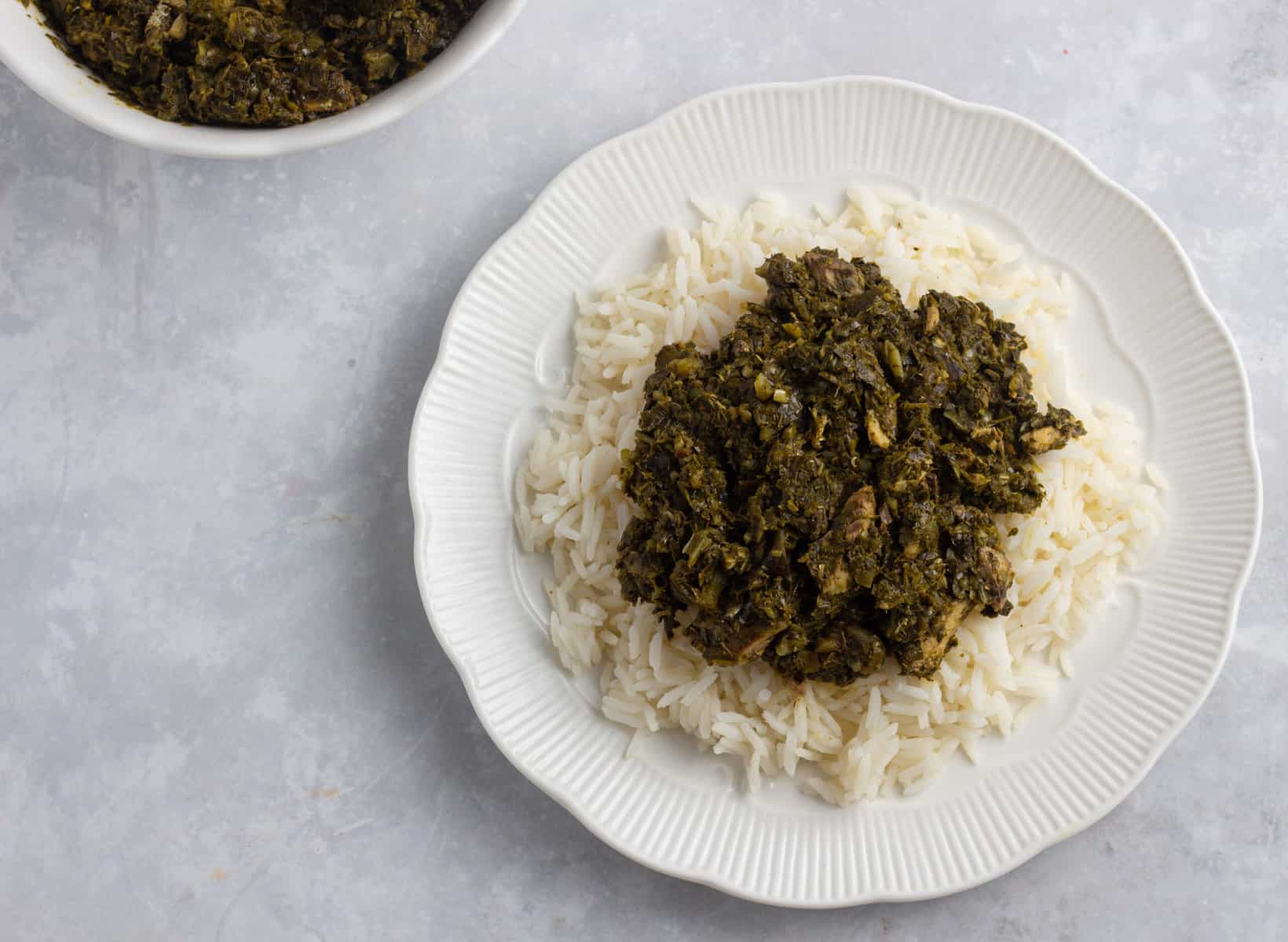 Medium
📜 Story
Medium
📜 Story
Feuilles de Manioc au Poisson
Cassava Leaves with Fish
Lunch or dinner
Comments (0)
Log in to leave a comment.
No comments yet. Be the first to share your thoughts!