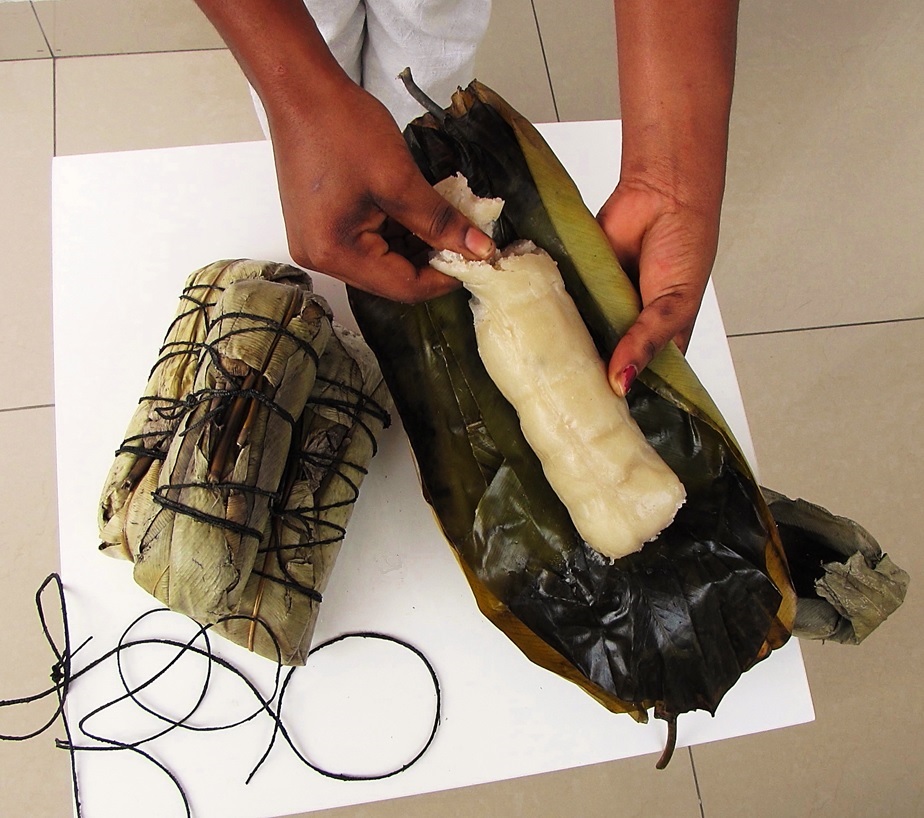
Dense, slightly tangy fermented cassava wrapped in banana leaves and steamed into a firm, sliceable bread. This traditional Central African staple has a unique sour flavor that pairs perfectly with rich stews.
Nutrition & Info
Equipment Needed
Instructions
-
1
Peel cassava roots and soak them in a large basin of water for three days, changing the water daily. This fermentation develops the characteristic tangy flavor.
-
2
After soaking, drain the softened cassava and remove the tough fibrous core from each piece. The cassava should be soft enough to crumble easily.
-
3
Pound the fermented cassava in a mortar or knead by hand until it forms a smooth, dense paste with no lumps or fibers remaining.
-
4
Soften banana leaves over a flame. Divide the cassava paste into portions and wrap each tightly in banana leaves, forming cylindrical shapes tied with string.
-
5
Steam the wrapped chikwanga in a large pot for two hours until completely firm and cooked through. The banana leaves impart a subtle earthy aroma.
-
6
Let cool slightly before unwrapping. Slice into rounds and serve alongside fish or meat stews. Chikwanga keeps for several days at room temperature.
Did You Know?
Chikwanga is one of the few traditional African breads that requires no grain, no oven, and no yeast, relying entirely on natural fermentation of cassava.
Chef's Notes
Equipment Tips
- large basin for soaking
- banana leaves
- kitchen string
- steamer pot
- mortar and pestle
The Story Behind Chikwanga
Chikwanga is an ancient Central African food preservation and preparation technique that predates European contact. The three-day fermentation process not only develops flavor but also removes naturally occurring cyanogenic compounds from cassava, making it safe to eat. This traditional knowledge represents generations of food science passed down through Congolese communities.
More Congolese (Republic) Dishes
 Easy
📜 Story
Easy
📜 Story
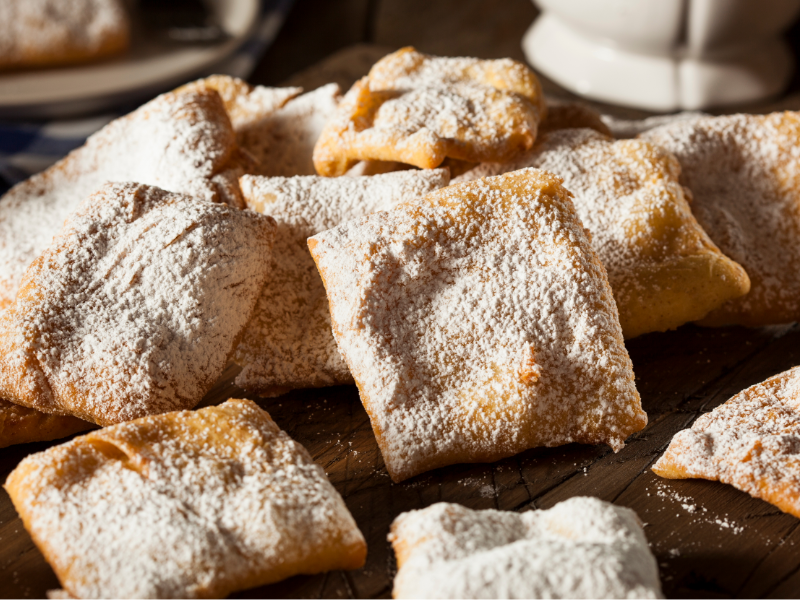
Beignets de Banane
Banana Fritters
Afternoon snack or dessert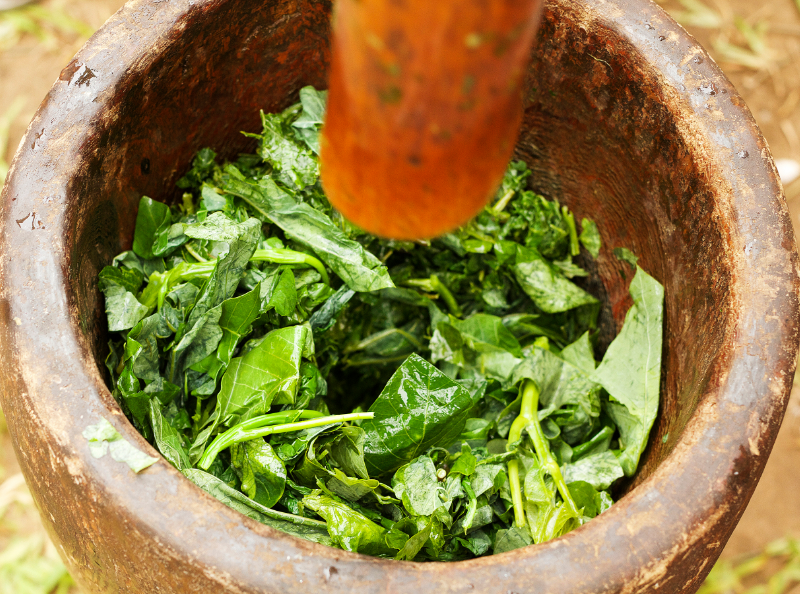 Easy
📜 Story
Easy
📜 Story
Bouillon de Legumes
Congolese Vegetable Soup
Lunch or light dinner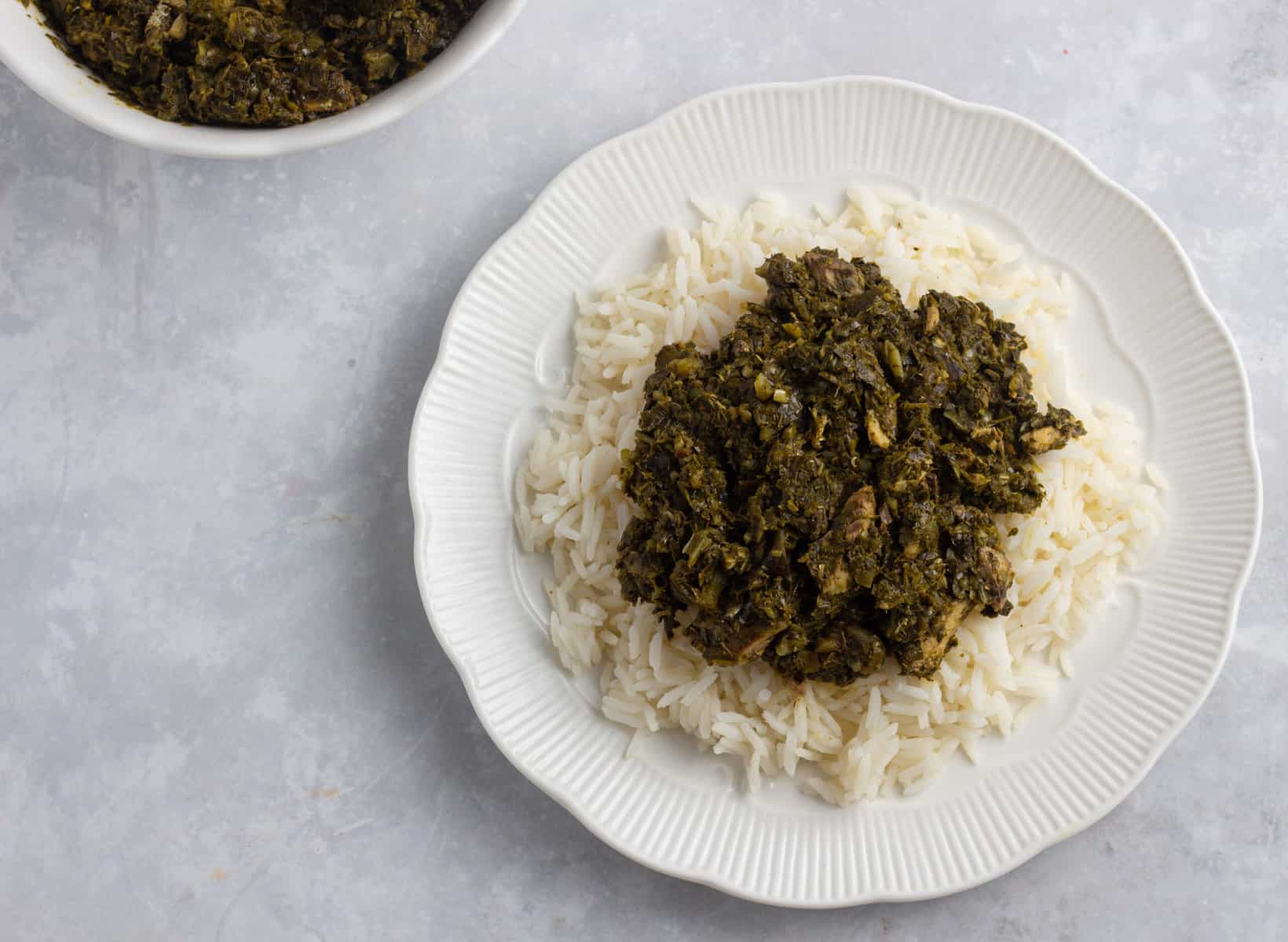 Medium
📜 Story
Medium
📜 Story
Feuilles de Manioc au Poisson
Cassava Leaves with Fish
Lunch or dinner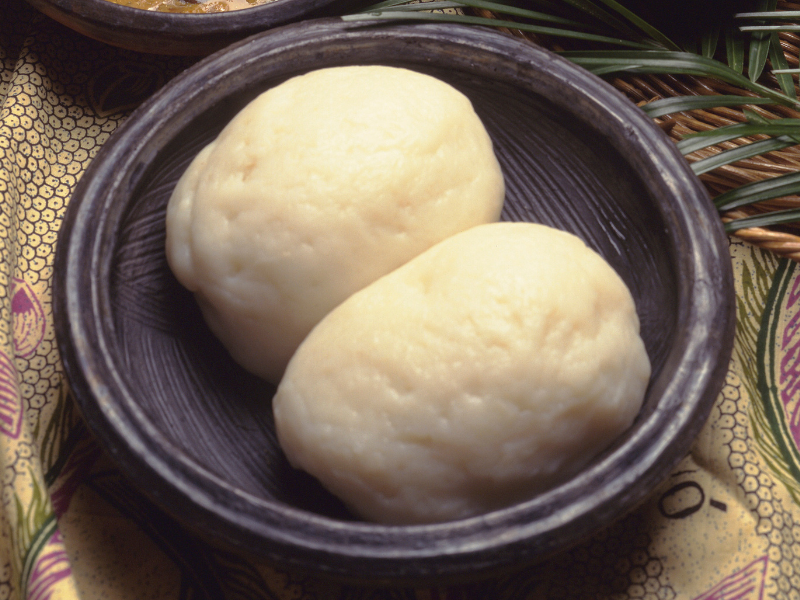 Medium
📜 Story
Medium
📜 Story
Fufu de Manioc
Cassava Fufu
Accompaniment to every main meal
Comments (0)
Log in to leave a comment.
No comments yet. Be the first to share your thoughts!