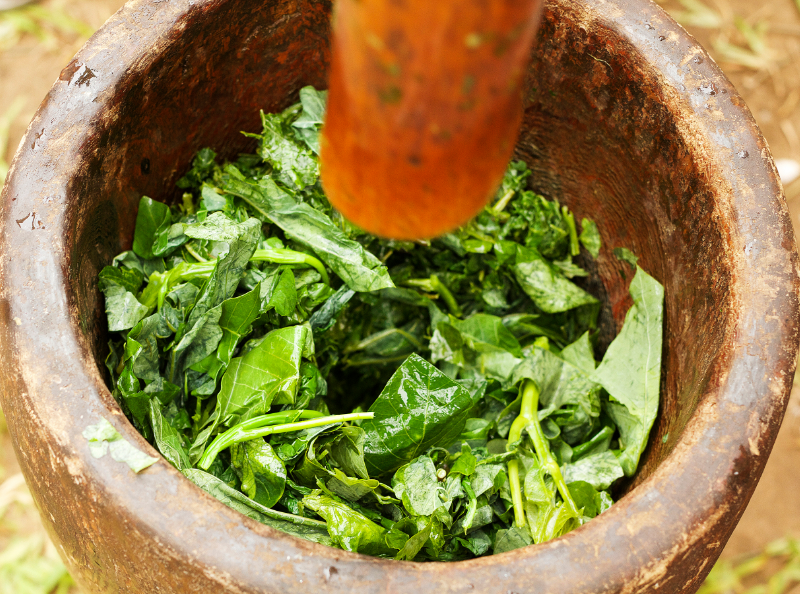
Bouillon de Legumes
Bouillon de Legumes (boo-YOHN deh lay-GOOM)
Congolese Vegetable Soup
A hearty, nourishing soup packed with cassava leaves, sweet potatoes, okra, and tomatoes simmered in a savory broth. This comforting Congolese soup warms the soul and showcases local produce.
Nutrition & Info
Equipment Needed
Instructions
-
1
Heat palm oil in a large soup pot. Saute diced onion for five minutes until softened. Add garlic and cook one minute until fragrant.
-
2
Add diced tomatoes and the whole scotch bonnet pepper. Cook for five minutes until the tomatoes begin to break down and release their juices.
-
3
Add sweet potato cubes and six cups of water. Bring to a boil, then reduce heat and simmer for fifteen minutes until sweet potatoes are almost tender.
-
4
Add sliced okra and chopped cassava leaves or spinach. Stir well and continue simmering for fifteen more minutes until all vegetables are tender.
-
5
Season with salt and black pepper. The soup should be thick and hearty with chunks of vegetables in a rich, slightly viscous broth from the okra.
-
6
Ladle into deep bowls and garnish with fresh basil. Serve as a main course with crusty bread or alongside a plate of steamed rice.
Did You Know?
In the Republic of Congo, this soup is often the first solid food given to young children, gently introducing them to the flavors of Congolese cuisine.
Chef's Notes
Equipment Tips
- large soup pot
- wooden spoon
- sharp knife
- cutting board
The Story Behind Bouillon de Legumes
Bouillon de legumes represents the practical, nourishing side of Congolese cooking where available vegetables are combined into wholesome soups. The tradition of vegetable soups in Congo predates colonial influence and reflects the abundance of tropical produce in the region. Each household has their own variation based on seasonal availability and family preferences.
More Congolese (Republic) Dishes
 Easy
📜 Story
Easy
📜 Story
Beignets de Banane
Banana Fritters
Afternoon snack or dessert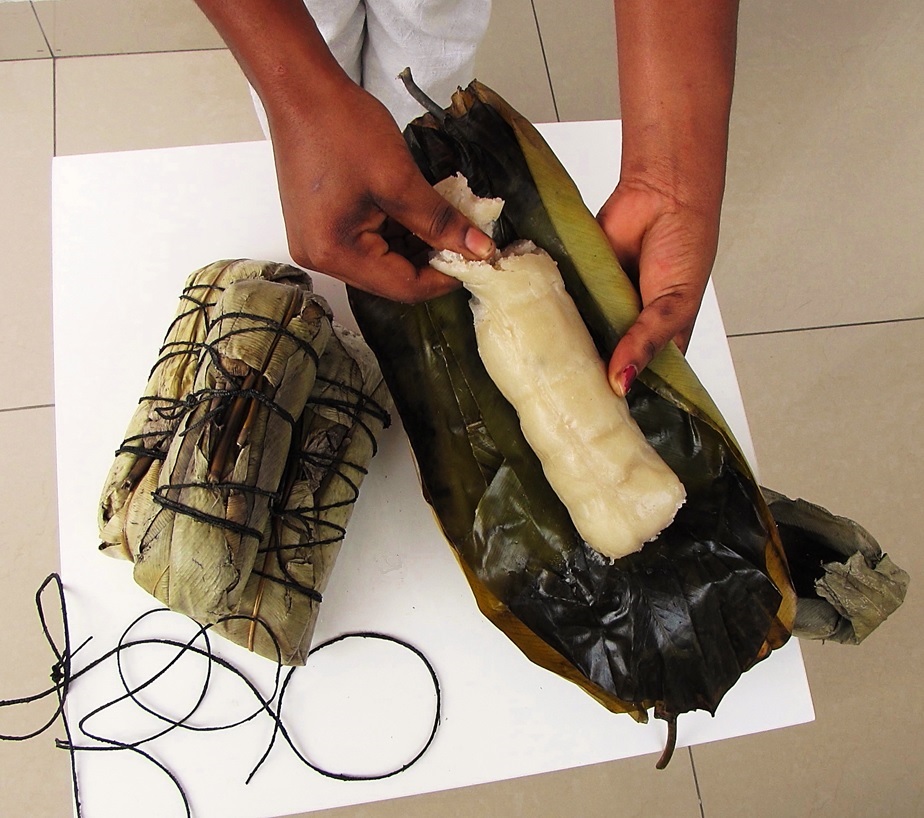 Hard
📜 Story
Hard
📜 Story
Chikwanga
Fermented Cassava Bread
Daily staple with meals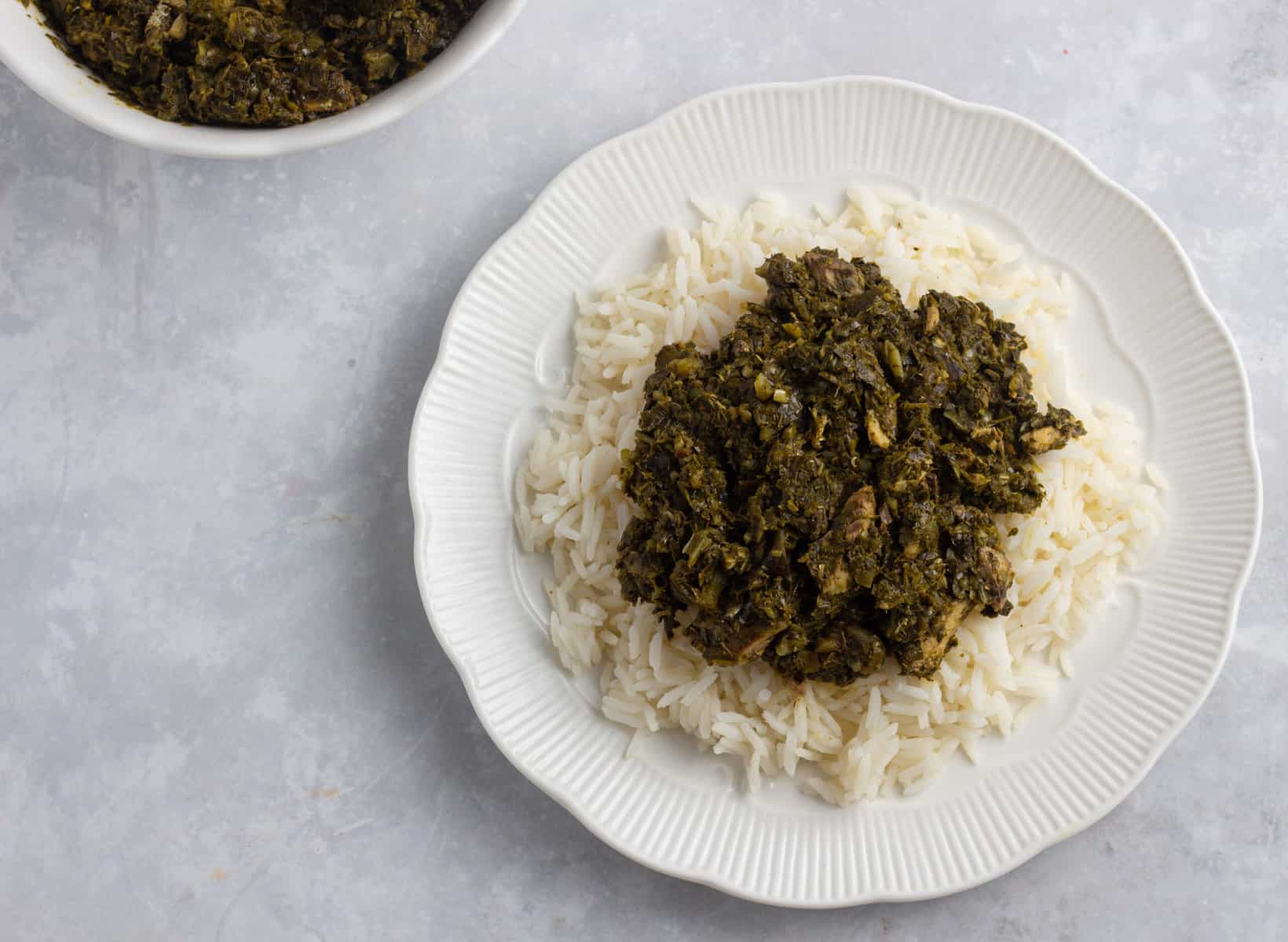 Medium
📜 Story
Medium
📜 Story
Feuilles de Manioc au Poisson
Cassava Leaves with Fish
Lunch or dinner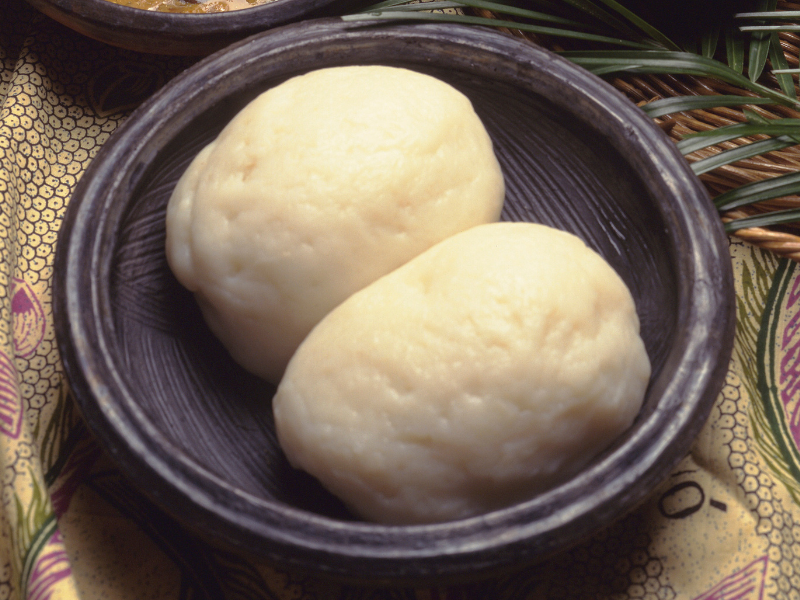 Medium
📜 Story
Medium
📜 Story
Fufu de Manioc
Cassava Fufu
Accompaniment to every main meal
Comments (0)
Log in to leave a comment.
No comments yet. Be the first to share your thoughts!