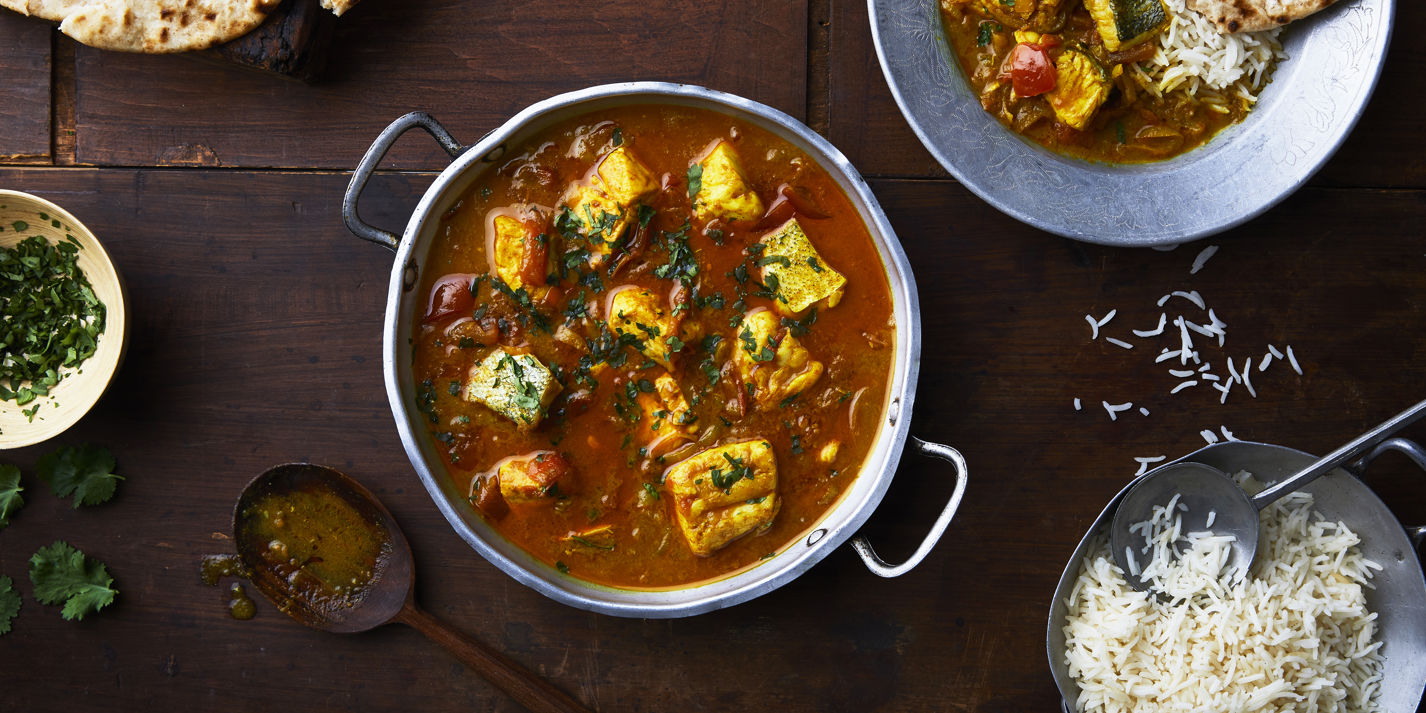
Mchuzi wa Samaki
Mchuzi wa Samaki (mm-CHOO-zee wah sah-MAH-kee)
Comorian Fish Coconut Stew
A hearty stew of fish chunks simmered in coconut milk with green peppers, tomatoes, and aromatic spices. This everyday dish reflects the islands' reliance on the ocean and the coconut palm.
Nutrition & Info
Allergen Warnings
Equipment Needed
Presentation Guide
Vessel: deep plate
Garnishes: fresh coriander
Accompaniments: steamed rice
Instructions
-
1
Heat oil in a saucepan over medium heat. Saute onion for 3 minutes.
-
2
Add garlic, cumin, and turmeric. Cook 1 minute until fragrant.
-
3
Add green peppers and tomatoes. Cook 5 minutes until softened.
-
4
Pour in coconut milk and bring to a gentle simmer.
-
5
Add fish chunks carefully. Cover and simmer for 15 minutes until fish is cooked through.
-
6
Season with salt and pepper. Garnish with fresh coriander.
-
7
Serve hot over rice.
Did You Know?
The Swahili saying 'samaki mkunje angali mbichi' (bend the fish while it is still fresh) is popular in the Comoros, emphasizing the importance of cooking fish the same day it is caught.
Chef's Notes
Equipment Tips
- saucepan with lid
- knife
Garnishing
fresh coriander
Accompaniments
steamed rice
The Story Behind Mchuzi wa Samaki
Mchuzi wa samaki is a cornerstone of Swahili coast cuisine that the Comoros shares with coastal Kenya and Tanzania. The preparation method remains remarkably consistent across this vast region, speaking to shared cultural roots.
In the Comoros, the dish benefits from the exceptionally fresh fish available from local fishermen who use traditional outrigger canoes to fish the surrounding reefs and deep waters.
This stew is the most frequently cooked main dish in coastal Comorian households, embodying the daily rhythm of fishing, cooking, and communal eating.
More Comorian Dishes
 Easy
📜 Story
Easy
📜 Story
Achards de Legumes
Comorian Vegetable Pickle
Served alongside main meals Medium
📜 Story
Medium
📜 Story
Boko Boko
Comorian Cracked Wheat Porridge
Eid morning breakfast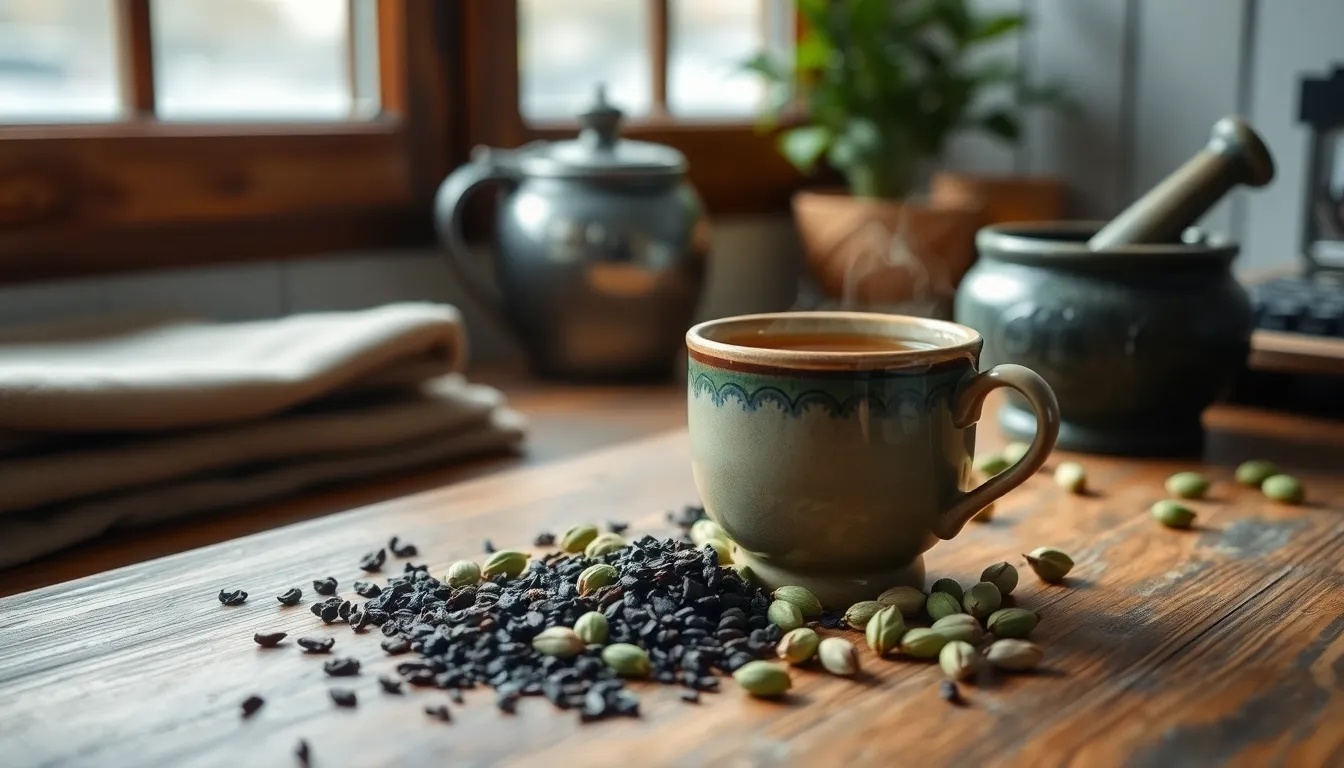 Easy
📜 Story
Easy
📜 Story
Cardamom Tea
Comorian Spiced Tea
Morning, afternoon, and after dinner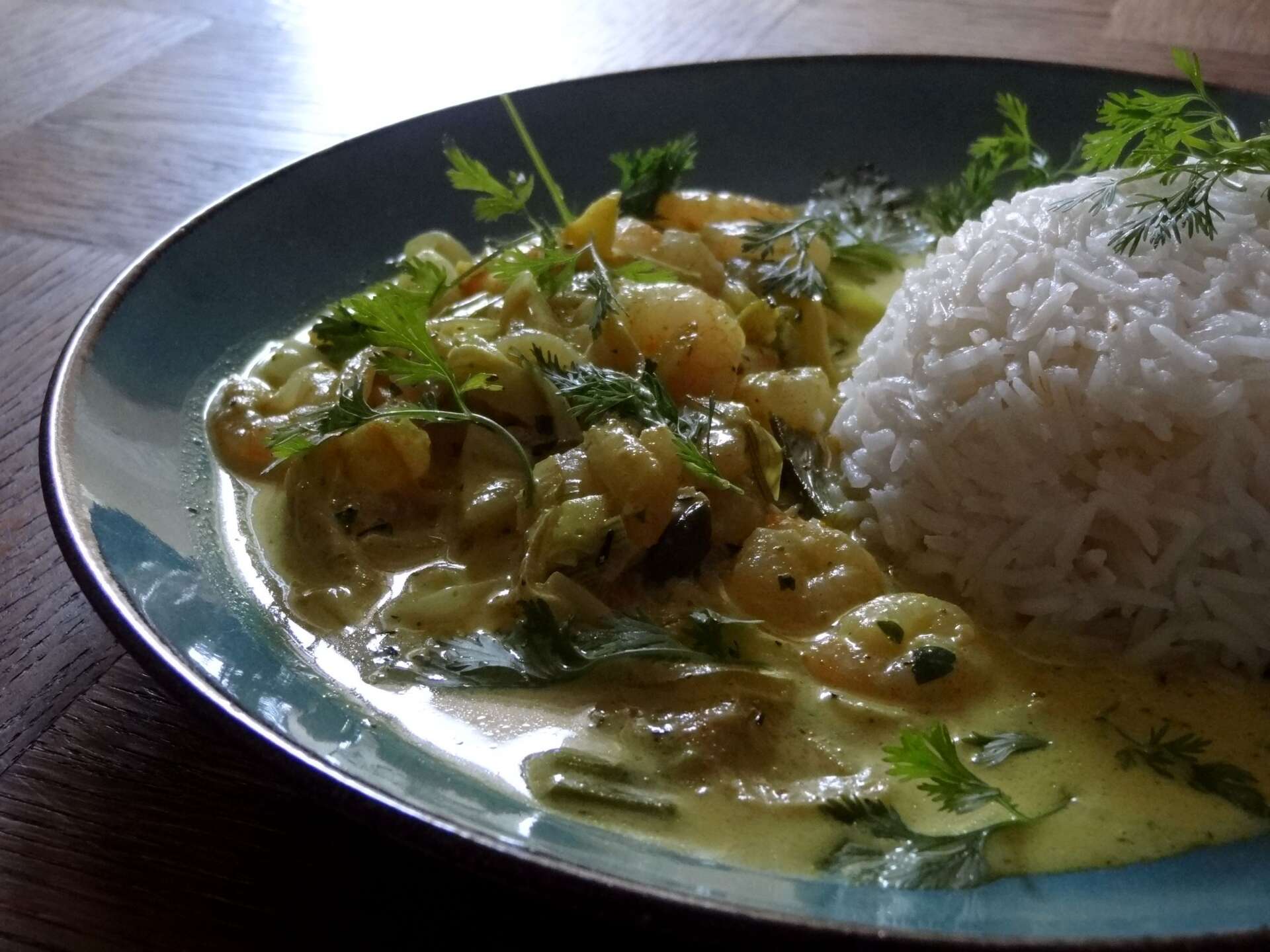 Easy
📜 Story
Easy
📜 Story
Curry de Crevettes
Comorian Shrimp Curry
Lunch or dinner
Comments (0)
Log in to leave a comment.
No comments yet. Be the first to share your thoughts!