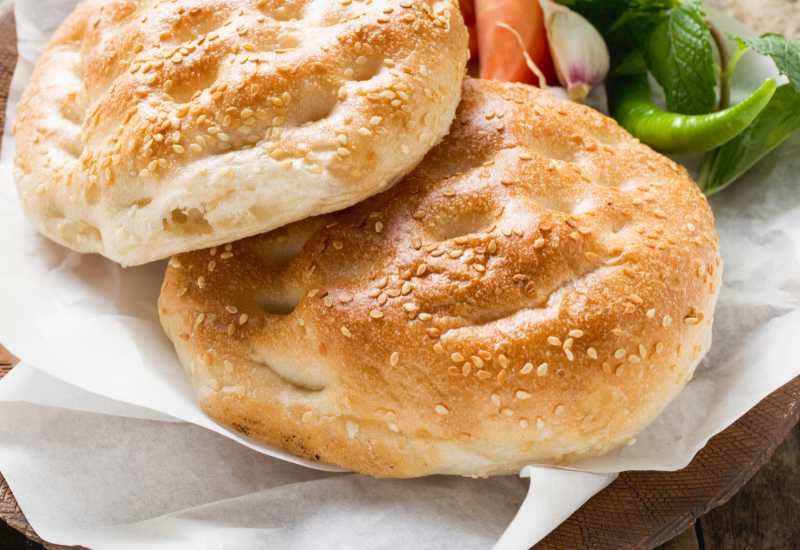
Round, golden dumplings made from semolina, coconut, and cardamom, deep-fried and soaked in sugar syrup. These festive sweets are essential at Comorian celebrations and a beloved everyday treat.
Nutrition & Info
Allergen Warnings
Equipment Needed
Presentation Guide
Vessel: decorated plate
Garnishes: crushed pistachios, desiccated coconut
Accompaniments: cardamom tea
Instructions
-
1
Mix semolina, coconut, sugar, cardamom, and nutmeg in a bowl.
-
2
Add coconut milk gradually, mixing until a soft dough forms that holds its shape.
-
3
Roll into walnut-sized balls.
-
4
Make the syrup: boil sugar and water for 5 minutes until slightly thick. Add rose water. Set aside.
-
5
Heat oil to 170C (340F). Fry dumplings in batches for 4-5 minutes until deep golden.
-
6
Drain on paper towels, then dip each ball briefly in warm sugar syrup.
-
7
Serve warm or at room temperature.
Did You Know?
Ladu shares its name with the Indian ladoo, evidence of the deep culinary connections between the Comoros and South Asia forged through centuries of Indian Ocean trade.
Chef's Notes
Equipment Tips
- deep fryer or pot
- mixing bowl
- saucepan
Garnishing
crushed pistachios, desiccated coconut
Accompaniments
The Story Behind Ladu
Ladu reflects the South Asian influence on Comorian cuisine, arriving through Indian traders who settled in the archipelago. The Comorian version uses local coconut and cardamom, adapting the concept to island ingredients.
These sweet dumplings are prepared in large batches for Eid celebrations, weddings, and the Grand Mariage. They are also sold by street vendors in Moroni and other towns.
Ladu symbolizes sweetness and celebration in Comorian culture, often gifted between families during festive occasions as a gesture of goodwill.
More Comorian Dishes
 Easy
📜 Story
Easy
📜 Story
Achards de Legumes
Comorian Vegetable Pickle
Served alongside main meals Medium
📜 Story
Medium
📜 Story
Boko Boko
Comorian Cracked Wheat Porridge
Eid morning breakfast Easy
📜 Story
Easy
📜 Story
Cardamom Tea
Comorian Spiced Tea
Morning, afternoon, and after dinner Easy
📜 Story
Easy
📜 Story
Curry de Crevettes
Comorian Shrimp Curry
Lunch or dinner
Comments (0)
Log in to leave a comment.
No comments yet. Be the first to share your thoughts!