
A fragrant black tea infused with crushed cardamom pods, sweetened generously, and sometimes enriched with a splash of coconut milk. This is the social lubricant of Comorian daily life.
Nutrition & Info
Equipment Needed
Presentation Guide
Instructions
-
1
Bring water to a boil in a small saucepan.
-
2
Add crushed cardamom pods and let simmer for 3 minutes to release their flavor.
-
3
Add tea leaves and sugar. Reduce heat and simmer gently for 5 minutes.
-
4
Strain into small tea glasses.
-
5
Add a splash of coconut milk if desired.
-
6
Serve hot, traditionally very sweet.
Did You Know?
In the Comoros, offering tea is the first act of hospitality. Refusing a cup of chai ya hiliki is considered extremely rude, and many business deals and marriage proposals have been conducted over these small fragrant glasses.
Chef's Notes
Equipment Tips
- small saucepan
- strainer
- tea glasses
Garnishing
cardamom pod
Accompaniments
The Story Behind Cardamom Tea
Cardamom tea came to the Comoros through centuries of Arab and Indian Ocean trade. The archipelago sits at the crossroads of African, Arab, and South Asian maritime routes, and tea culture arrived with Arab merchants who settled on the islands.
The Comorian version emphasizes cardamom above all other spices, reflecting the local preference for this aromatic seed which also flavors many of the islands' breads and desserts.
Sharing tea is deeply woven into Comorian social customs, marking hospitality, friendship, and respect in daily interactions from market stalls to government offices.
More Comorian Dishes
 Easy
📜 Story
Easy
📜 Story
Achards de Legumes
Comorian Vegetable Pickle
Served alongside main meals Medium
📜 Story
Medium
📜 Story
Boko Boko
Comorian Cracked Wheat Porridge
Eid morning breakfast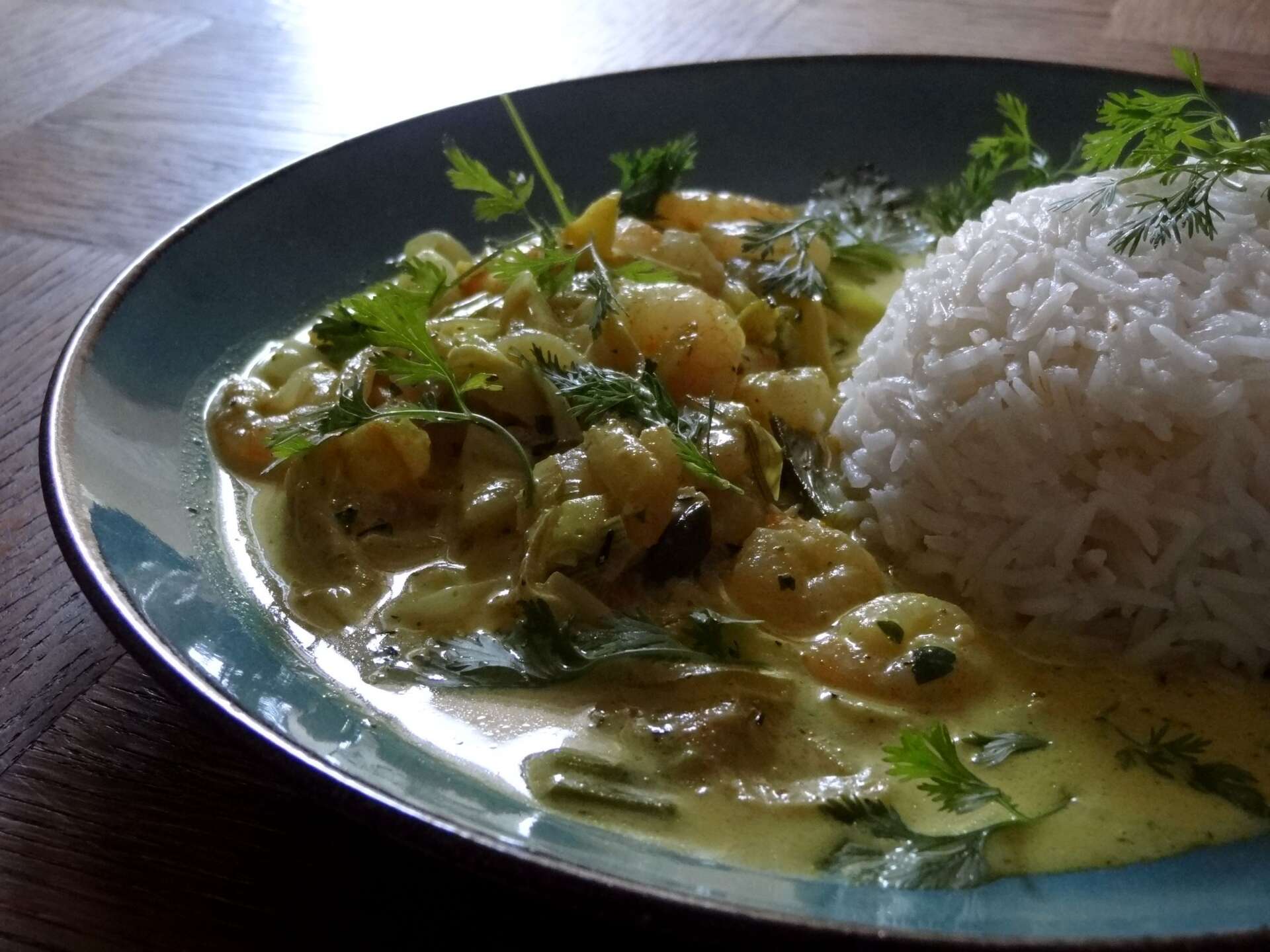 Easy
📜 Story
Easy
📜 Story
Curry de Crevettes
Comorian Shrimp Curry
Lunch or dinner Easy
📜 Story
Easy
📜 Story
Donaz
Comorian Doughnuts
Breakfast and afternoon snack
Comments (0)
Log in to leave a comment.
No comments yet. Be the first to share your thoughts!