
A fiery Sichuan street food soup where diners select their own skewered ingredients to be cooked in a rich, numbing-spicy broth loaded with Sichuan peppercorns, dried chilies, and aromatic spices. Each bowl is a personalized combination of vegetables, tofu, and noodles.
Nutrition & Info
Allergen Warnings
Equipment Needed
Instructions
-
1
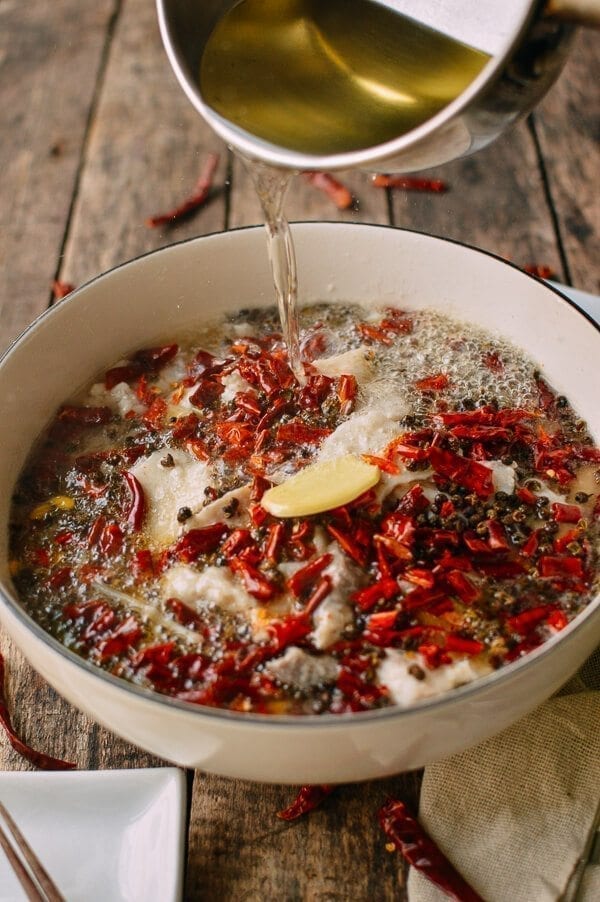
Toast Sichuan peppercorns and dried chilies in a dry wok over low heat for two minutes until fragrant and the peppercorns begin to release their numbing aroma.
-
2
Heat oil in a large pot, fry the toasted spices with doubanjiang, garlic, ginger, star anise, and cinnamon for three minutes until the oil turns a deep red and becomes intensely aromatic.
-
3
Pour in stock and bring to a rolling boil, then reduce to a simmer and cook for fifteen minutes to develop a complex, layered broth.
-
4
Thread tofu, vegetables, and mushrooms onto bamboo skewers, arranging them by cooking time with dense vegetables first and leafy greens last.
-
5
Lower skewers into the simmering broth in stages, cooking each for two to five minutes depending on density, while separately softening sweet potato noodles in the broth.
-
6
Serve by placing cooked ingredients and noodles in bowls, ladling broth over top, and finishing with sesame paste, soy sauce, and fresh cilantro.
Did You Know?
Ma la tang literally means numb spicy hot, describing the three essential characteristics of the dish. The numbing sensation comes from Sichuan peppercorns which contain hydroxy-alpha-sanshool, a compound that literally vibrates on your tongue at a frequency of about fifty hertz.
Chef's Notes
Equipment Tips
- large pot
- bamboo skewers
- ladle
The Story Behind 麻辣烫
Ma la tang emerged from the street food culture of Sichuan province, evolving from the communal hot pot tradition into a more individual, portable format. While hot pot has ancient roots in Chinese cuisine, ma la tang developed as a more accessible version that could be sold from street stalls and small shops. The concept of selecting individual ingredients on skewers to be cooked in a shared spicy broth democratized the hot pot experience, making it affordable for workers and students. Ma la tang has exploded in popularity across China in recent decades and has become one of the most beloved casual dining formats nationwide.

Comments (0)
Log in to leave a comment.
No comments yet. Be the first to share your thoughts!