
Tender chunks of beef braised slowly with tomatoes, carrots, potatoes, and aromatic spices in a thick, hearty gravy. This French-influenced Chadian stew showcases the colonial culinary legacy adapted with local ingredients and bold seasoning.
Nutrition & Info
Equipment Needed
Instructions
-
1
Season beef cubes with salt and pepper. Heat oil in a Dutch oven over high heat and brown meat in batches until deeply colored on all sides.
-
2
Remove meat and saute diced onions and garlic in the same pot until softened, about five minutes, scraping up browned bits from the bottom.
-
3
Add chopped tomatoes and cook for five minutes until they begin to break down and form a sauce base.
-
4
Return beef to the pot. Add stock, thyme, and bay leaves. Bring to a boil, then reduce to a gentle simmer.
-
5
After forty-five minutes, add carrots and potatoes. Continue simmering for thirty more minutes until vegetables are tender and the sauce has thickened.
-
6
Remove bay leaves. Adjust seasoning and serve hot over rice or with fresh baguette. The stew improves in flavor the next day.
Did You Know?
The French colonial administrators introduced ragout to Chad, but Chadian cooks made it their own by adding more spice and heat than any French chef would dare use.
Chef's Notes
Equipment Tips
- heavy Dutch oven
- sharp knife
- wooden spoon
- cutting board
The Story Behind Ragout de Boeuf
Ragout de boeuf in Chad is a fascinating example of colonial culinary exchange. French administrators and settlers brought their cooking traditions to Chad, and local cooks adapted these recipes using available ingredients and their own bold seasoning preferences. The result is a dish that is recognizably French in structure but unmistakably Chadian in character, a delicious artifact of cultural intersection.
More Chadian Dishes
 Easy
📜 Story
Easy
📜 Story
Alloco
Fried Plantain Chips
Snack or side dish Hard
📜 Story
Hard
📜 Story
Banda
Chadian Smoked Meat
Preserved food for travel and dry season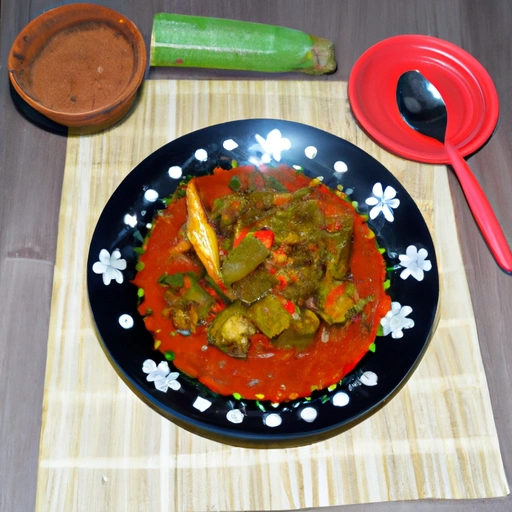 Medium
📜 Story
Medium
📜 Story
Boko Boko
Cracked Wheat and Meat Porridge
Iftar during Ramadan, winter meals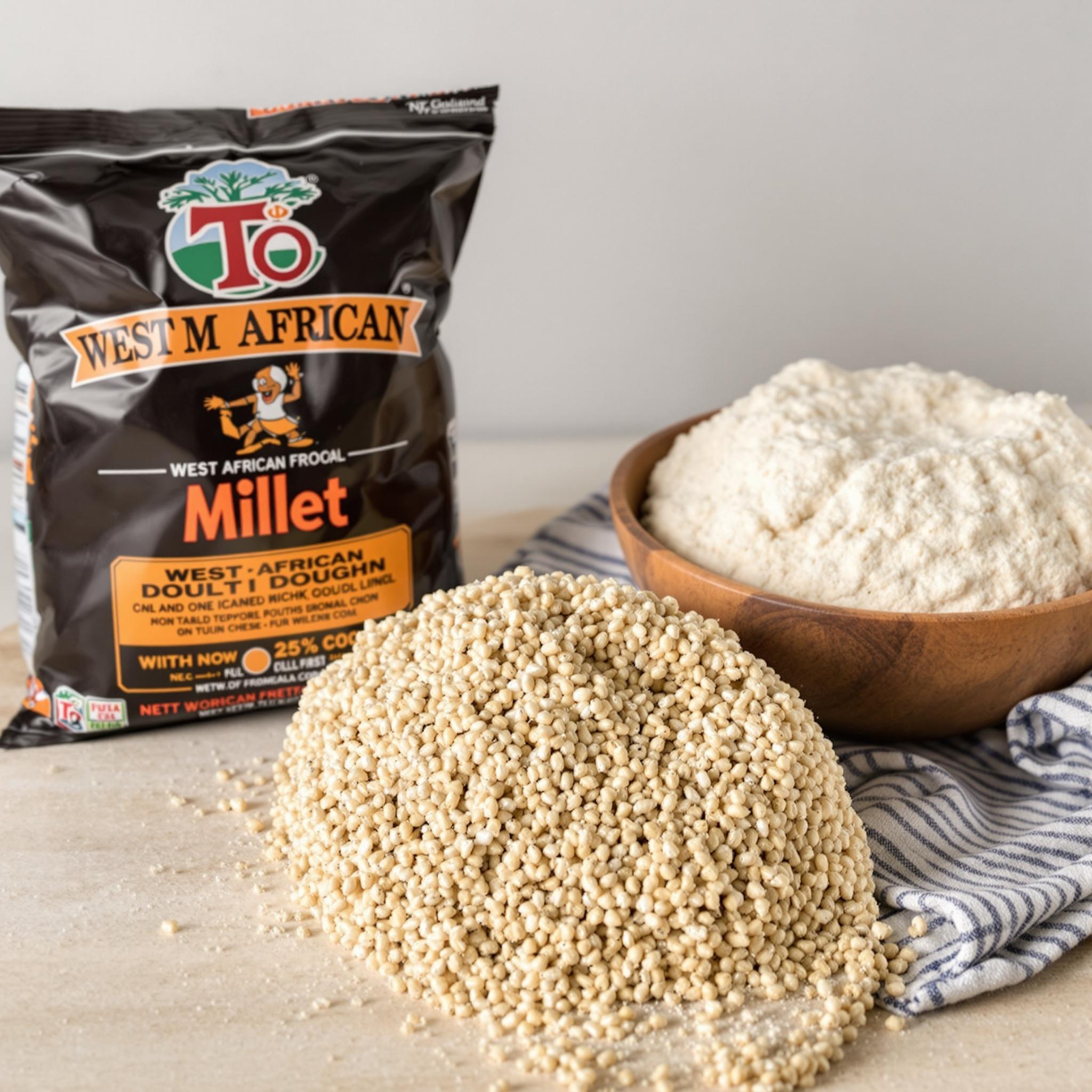 Easy
📜 Story
Easy
📜 Story
Boule
Millet Ball with Sauce
Lunch, dinner, daily staple
Comments (0)
Log in to leave a comment.
No comments yet. Be the first to share your thoughts!