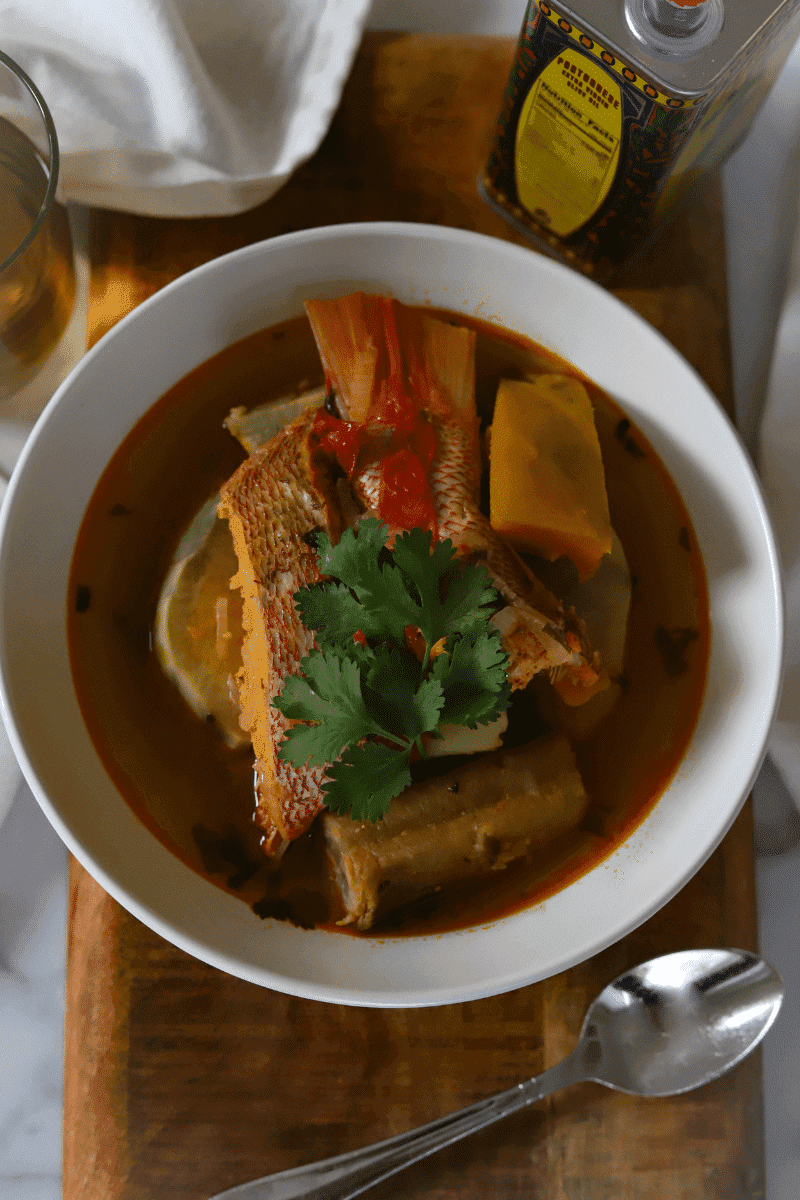
Poisson en Papillote
Poisson en Papillote (pwah-SON on pah-pee-YOHT)
Fish Steamed in Leaves
Fresh fish wrapped in banana leaves with tomatoes, onions, and aromatic spices, then steamed until the flesh is impossibly tender and infused with smoky, herbal flavors. A refined dish from southern Chad riverine communities.
Nutrition & Info
Allergen Warnings
Equipment Needed
Instructions
-
1
Soften banana leaves by passing them briefly over an open flame or blanching in hot water. Cut into large squares big enough to wrap each fillet.
-
2
Season fish fillets with salt, lemon juice, and a drizzle of groundnut oil. Let marinate for fifteen minutes.
-
3
Place each fillet on a banana leaf square. Top with tomato slices, onion rings, garlic, hot pepper slices, and fresh basil.
-
4
Fold the banana leaf around the fish to create a sealed packet, tying with string if needed to keep closed.
-
5
Place packets in a steamer or on a rack over simmering water. Steam for twenty minutes until the fish is cooked through and flaky.
-
6
Serve the packets unopened and let each diner unwrap their own parcel at the table, releasing the fragrant steam.
Did You Know?
The banana leaf imparts a subtle, earthy flavor to the fish that cannot be replicated by aluminum foil, which is why traditional cooks insist on using fresh leaves.
Chef's Notes
Equipment Tips
- banana leaves or foil
- steamer or pot with rack
- sharp knife
- string for tying
The Story Behind Poisson en Papillote
Cooking fish in banana leaves is an ancient technique practiced along the rivers of southern Chad, where both fish and banana plants are abundant. The method seals in moisture and creates a natural steaming environment that produces incredibly tender, flavorful fish. This cooking style reflects the deep connection between southern Chadian communities and their riverine environment.
More Chadian Dishes
 Easy
📜 Story
Easy
📜 Story
Alloco
Fried Plantain Chips
Snack or side dish Hard
📜 Story
Hard
📜 Story
Banda
Chadian Smoked Meat
Preserved food for travel and dry season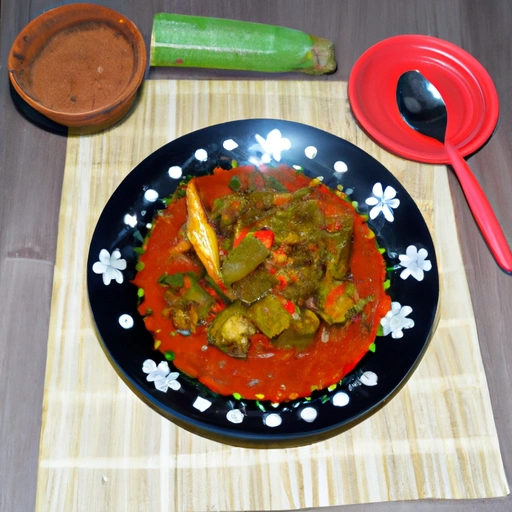 Medium
📜 Story
Medium
📜 Story
Boko Boko
Cracked Wheat and Meat Porridge
Iftar during Ramadan, winter meals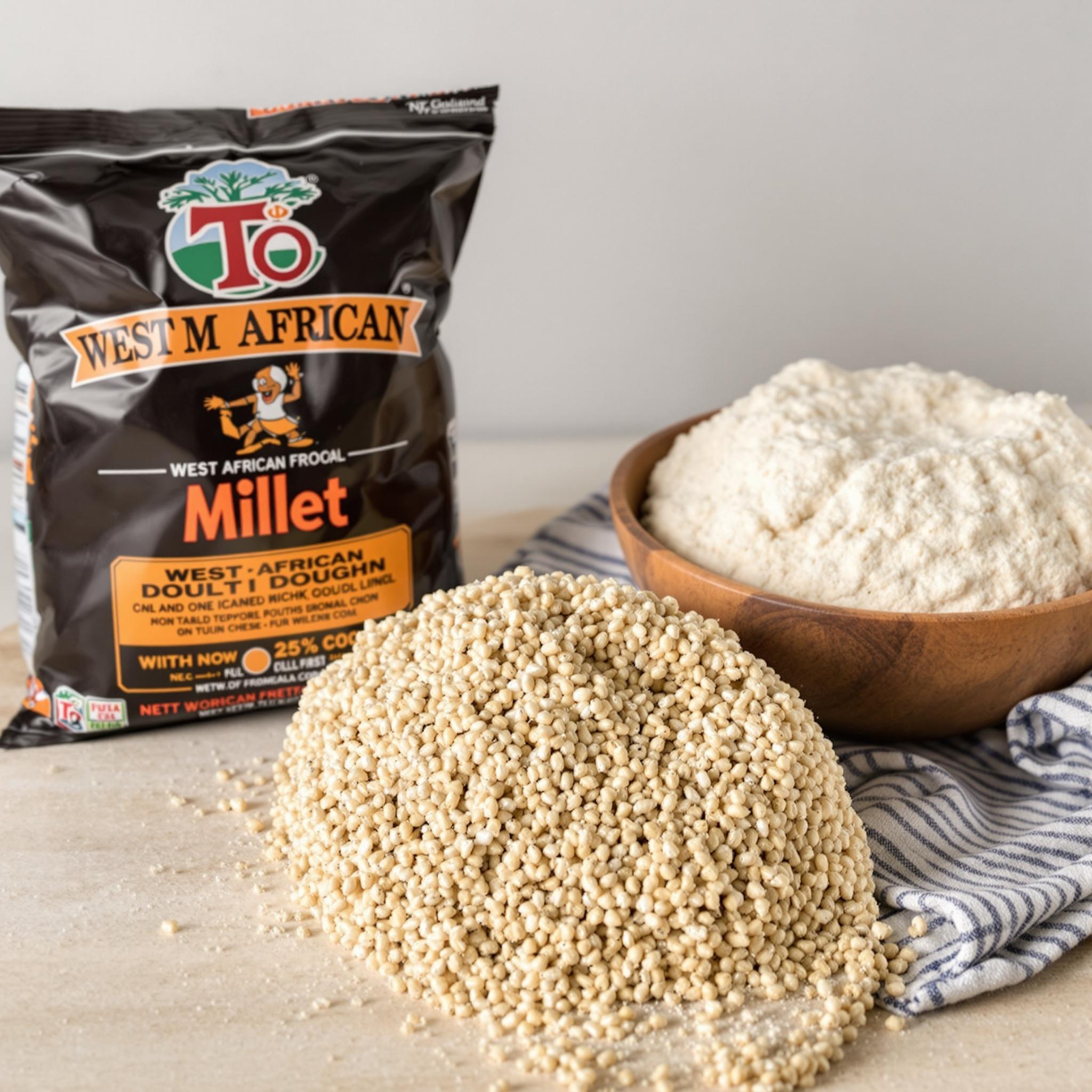 Easy
📜 Story
Easy
📜 Story
Boule
Millet Ball with Sauce
Lunch, dinner, daily staple
Comments (0)
Log in to leave a comment.
No comments yet. Be the first to share your thoughts!