
Thin, tangy crepes made from fermented millet batter, cooked on a hot griddle until lacy and slightly sour. These spongy flatbreads are the everyday bread of southern Chad, torn and used to scoop stews and sauces.
Nutrition & Info
Allergen Warnings
Equipment Needed
Instructions
-
1
Mix millet flour with warm water and yeast in a large bowl. Stir until smooth. Cover with a cloth and let ferment at room temperature for twelve to twenty-four hours until bubbly and sour.
-
2
Stir the fermented batter well. It should be thin and pourable like crepe batter. Add salt and adjust consistency with water if needed.
-
3
Heat a flat griddle over medium heat and lightly grease with oil. Pour a ladleful of batter and swirl to spread thinly across the surface.
-
4
Cook for two to three minutes until the top is set and small holes appear across the surface. The bottom should be lightly golden. Do not flip.
-
5
Remove and stack on a plate. Repeat with remaining batter, greasing the griddle between each crepe.
-
6
Serve warm alongside stews, sauces, or grilled meats. Tear pieces and use to scoop food.
Did You Know?
The fermentation process gives kissar a natural tanginess similar to Ethiopian injera, and skilled cooks can judge readiness by the smell of the batter alone.
Chef's Notes
Equipment Tips
- flat griddle
- mixing bowl
- ladle
- cloth cover
The Story Behind Kissar
Kissar is a foundational food of the Sara people of southern Chad, with roots stretching back centuries. The fermentation technique preserves the grain in hot climates while adding nutritional value through beneficial bacteria. Each family guards their fermentation starter, sometimes passed down through generations of women who are the keepers of this culinary tradition.
More Chadian Dishes
 Easy
📜 Story
Easy
📜 Story
Alloco
Fried Plantain Chips
Snack or side dish Hard
📜 Story
Hard
📜 Story
Banda
Chadian Smoked Meat
Preserved food for travel and dry season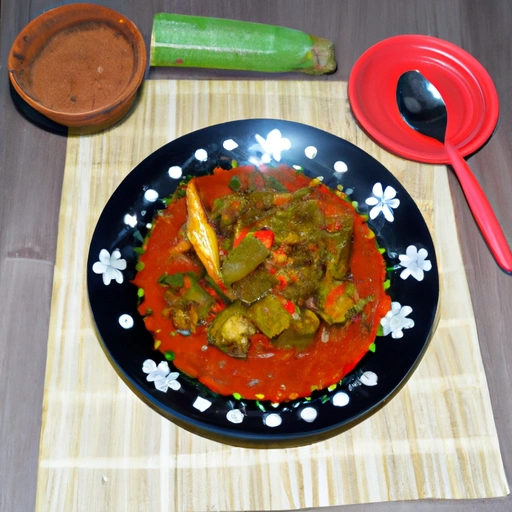 Medium
📜 Story
Medium
📜 Story
Boko Boko
Cracked Wheat and Meat Porridge
Iftar during Ramadan, winter meals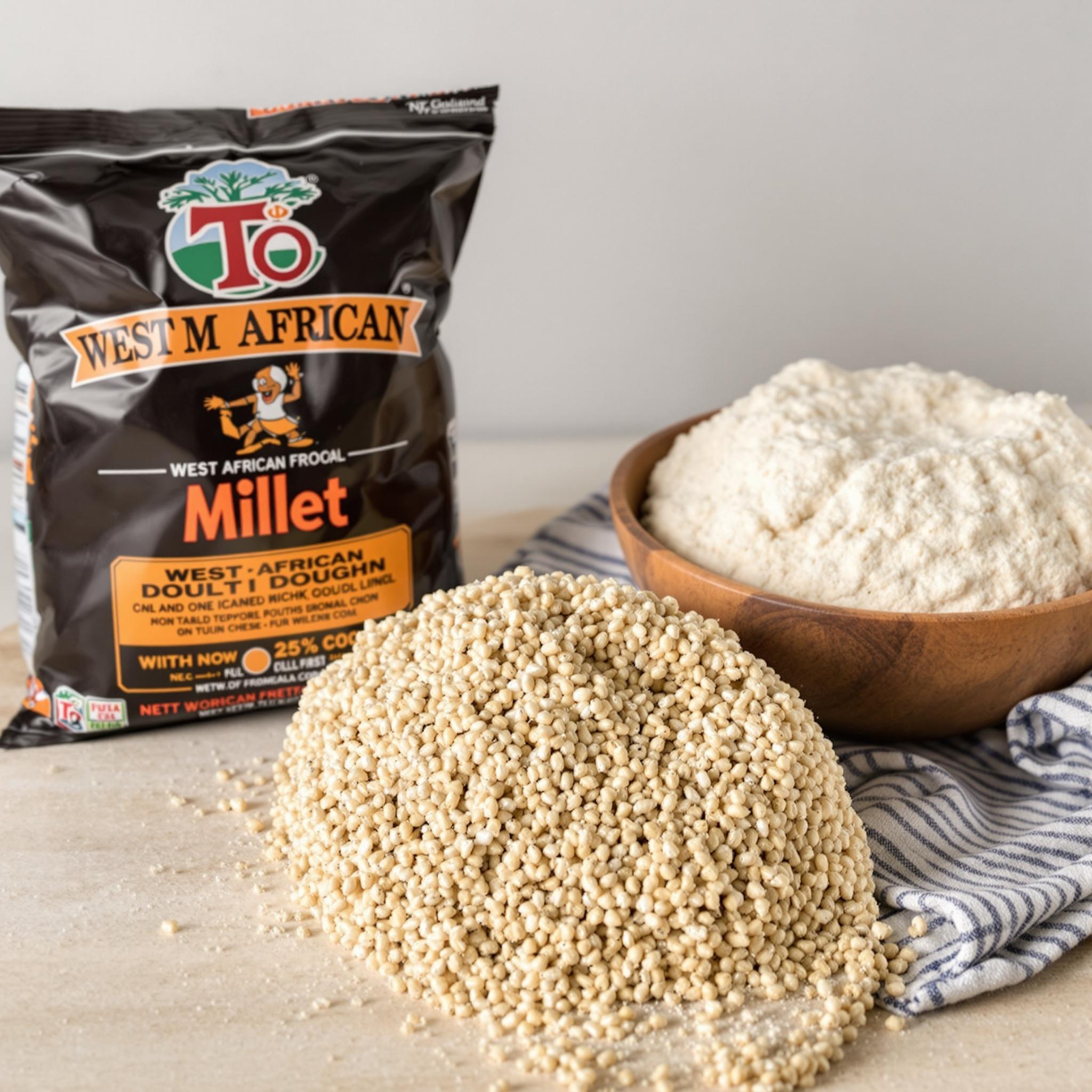 Easy
📜 Story
Easy
📜 Story
Boule
Millet Ball with Sauce
Lunch, dinner, daily staple
Comments (0)
Log in to leave a comment.
No comments yet. Be the first to share your thoughts!