
A deep crimson drink brewed from dried hibiscus flowers, sweetened with sugar and perfumed with cloves, ginger, and sometimes vanilla. This tart, refreshing Chadian tea is served cold at celebrations and daily as a thirst quencher.
Nutrition & Info
Equipment Needed
Instructions
-
1
Rinse dried hibiscus flowers under cold water to remove any dust. Place in a large pot with cloves and sliced ginger.
-
2
Add two liters of water and bring to a boil. Reduce heat and simmer for fifteen minutes until the water turns deep ruby red.
-
3
Remove from heat and let steep for an additional fifteen minutes. The longer it steeps, the more intense the flavor becomes.
-
4
Strain through a fine strainer into a large pitcher, pressing the flowers to extract all the deep red liquid.
-
5
Add sugar, vanilla extract, and lime juice. Stir until sugar is completely dissolved. Taste and adjust sweetness.
-
6
Refrigerate until very cold. Serve over ice garnished with fresh mint. The drink keeps well for several days refrigerated.
Did You Know?
Karkanji is so central to Chadian hospitality that offering a glass to a guest is considered an essential gesture of welcome, and refusing it would be seen as rude.
Chef's Notes
Equipment Tips
- large pot
- fine strainer
- pitcher
- serving glasses
The Story Behind Karkanji
Karkanji has been consumed across the Sahel for centuries, with hibiscus flowers dried and traded along ancient caravan routes. In Chad, the drink holds deep cultural significance, served at weddings, naming ceremonies, and religious gatherings. The vibrant red color is associated with celebration and vitality, and the preparation of karkanji is considered an art form among Chadian women.
More Chadian Dishes
 Easy
📜 Story
Easy
📜 Story
Alloco
Fried Plantain Chips
Snack or side dish Hard
📜 Story
Hard
📜 Story
Banda
Chadian Smoked Meat
Preserved food for travel and dry season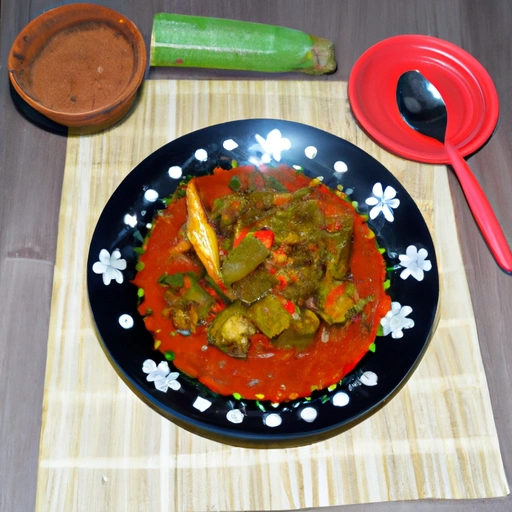 Medium
📜 Story
Medium
📜 Story
Boko Boko
Cracked Wheat and Meat Porridge
Iftar during Ramadan, winter meals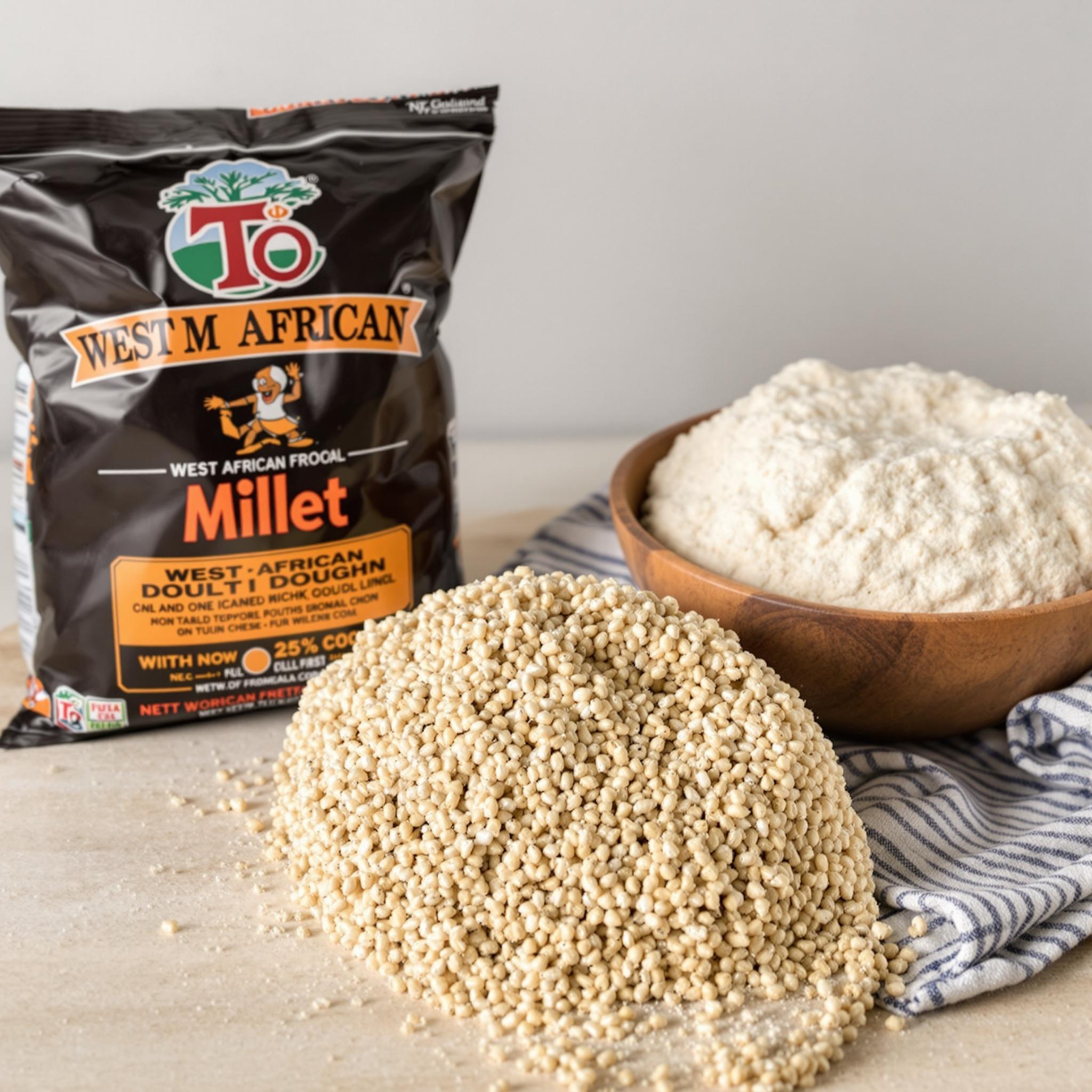 Easy
📜 Story
Easy
📜 Story
Boule
Millet Ball with Sauce
Lunch, dinner, daily staple
Comments (0)
Log in to leave a comment.
No comments yet. Be the first to share your thoughts!