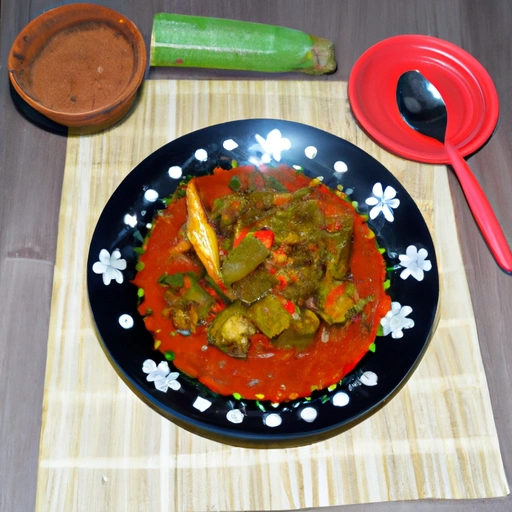
A hearty porridge of cracked wheat simmered with shredded beef until the grains are swollen and tender, enriched with butter and spiced with cumin. This sustaining dish from northern Chad is especially popular during Ramadan.
Nutrition & Info
Allergen Warnings
Equipment Needed
Instructions
-
1
Place the beef piece in a pot with water, one diced onion, salt, and garlic. Bring to a boil, then simmer for one hour until meat is very tender.
-
2
Remove the meat and shred finely with two forks. Reserve the flavorful cooking broth.
-
3
Add cracked wheat to the reserved broth. Cook over low heat for thirty minutes, stirring frequently, until the wheat is very soft and porridge-like.
-
4
In a small pan, melt butter and saute the remaining diced onion with cumin and cinnamon until golden and fragrant.
-
5
Add shredded meat and the spiced butter-onion mixture to the wheat porridge. Stir thoroughly to combine everything.
-
6
Cook together for ten more minutes until thick and cohesive. Serve hot in bowls, with extra butter melted on top.
Did You Know?
During Ramadan in N'Djamena, boko boko is one of the first foods eaten at iftar because the combination of wheat and meat provides sustained energy after a full day of fasting.
Chef's Notes
Equipment Tips
- large heavy pot
- wooden spoon
- fork for shredding
The Story Behind Boko Boko
Boko boko reveals the Arab culinary influence in northern and central Chad, where wheat-based dishes are more common than in the millet-dominated south. The dish is closely related to harees and other Middle Eastern wheat porridges, adapted to Chadian tastes over centuries of cultural exchange along trans-Saharan trade routes. It holds special significance during Ramadan, when it is prepared in large quantities for communal iftar meals.



Comments (0)
Log in to leave a comment.
No comments yet. Be the first to share your thoughts!